
Last updated November 25, 2026
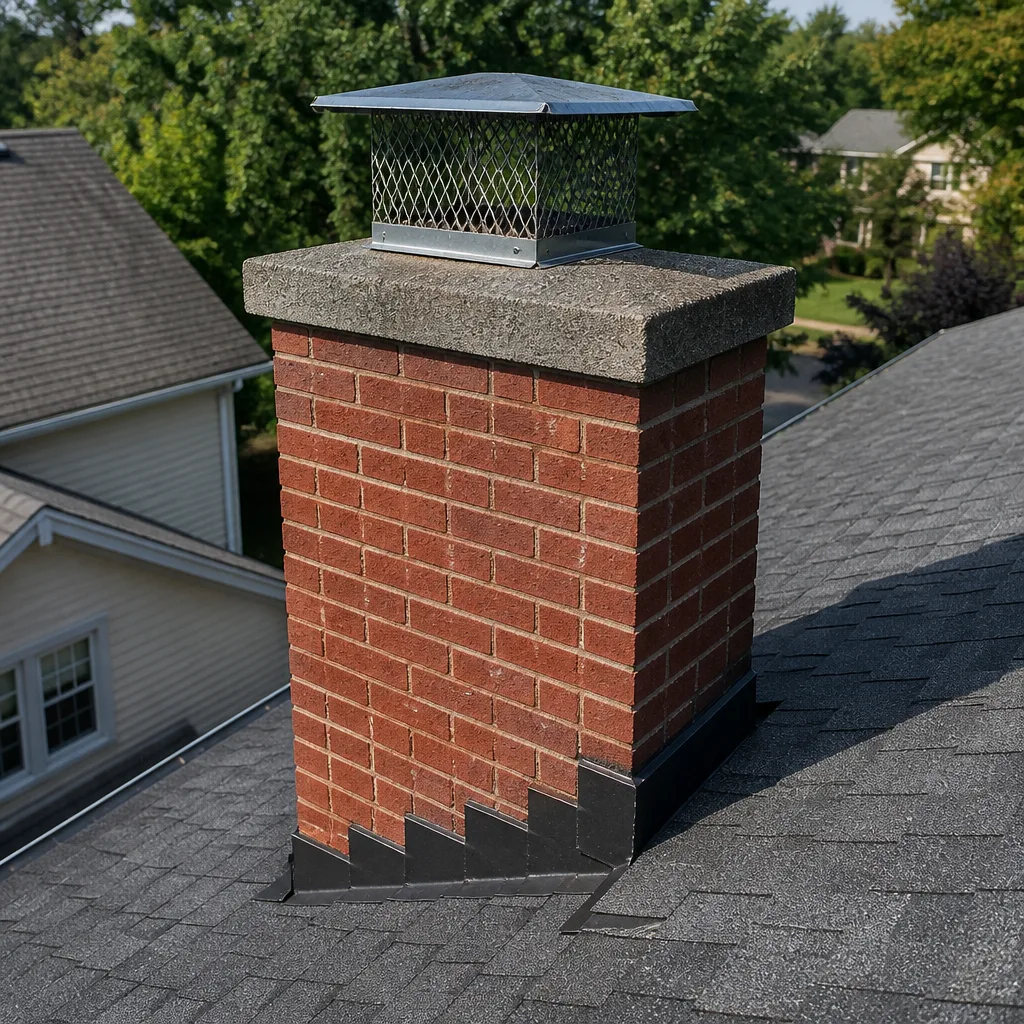 Sweep & inspection
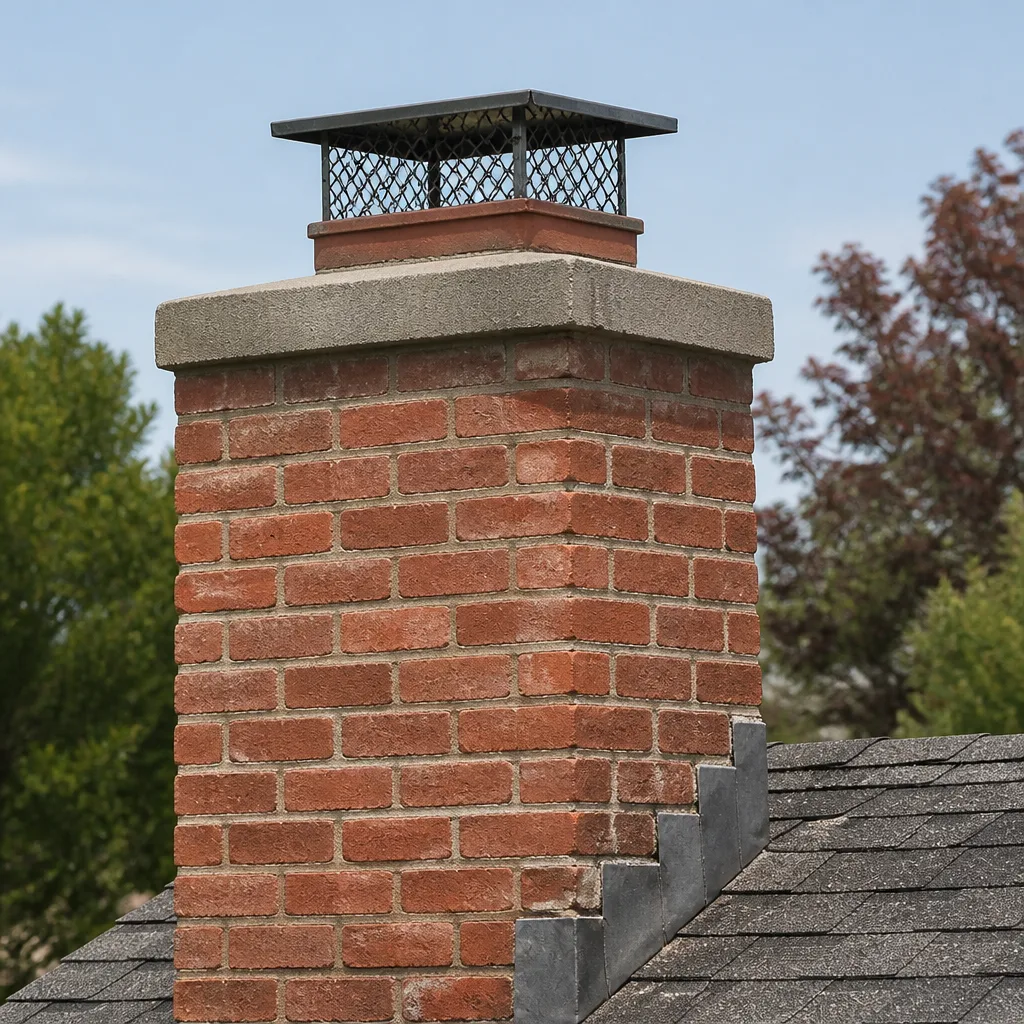 Caps & crowns
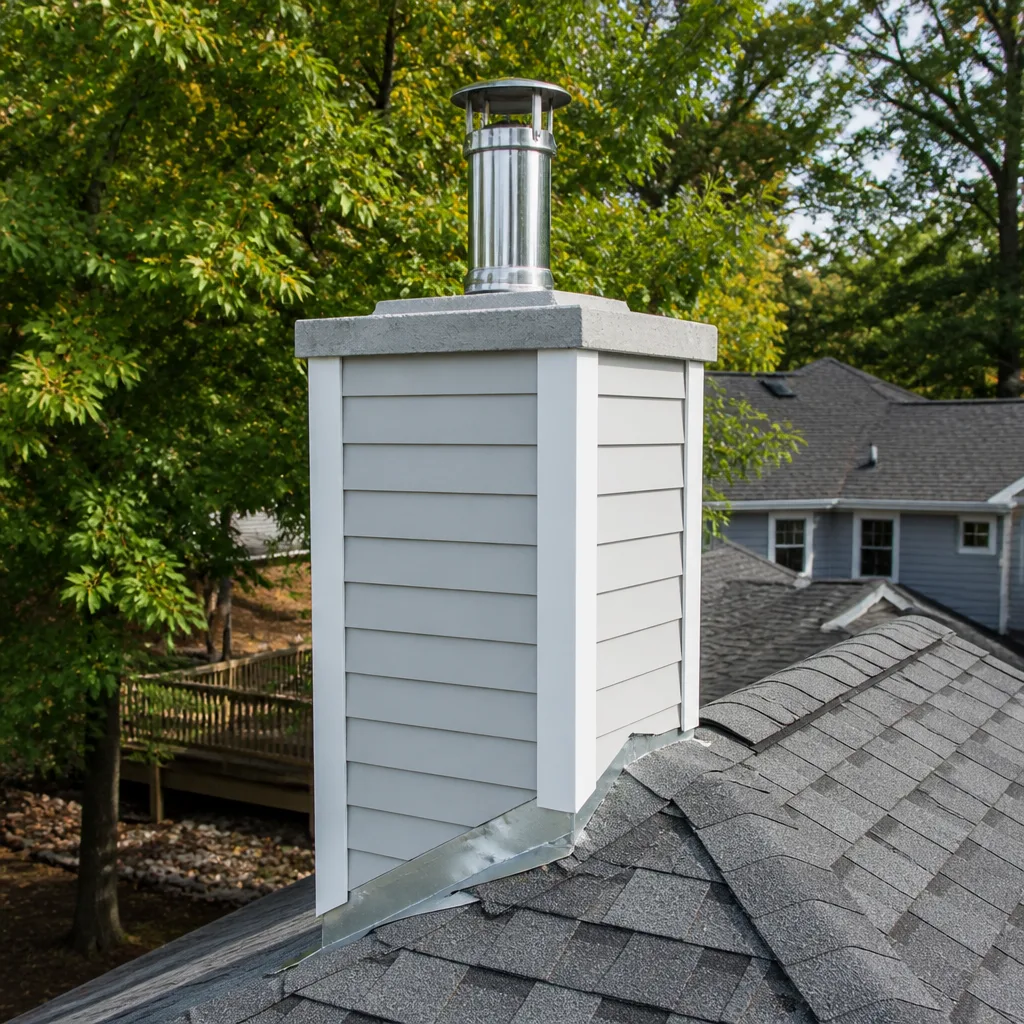 Flue relining
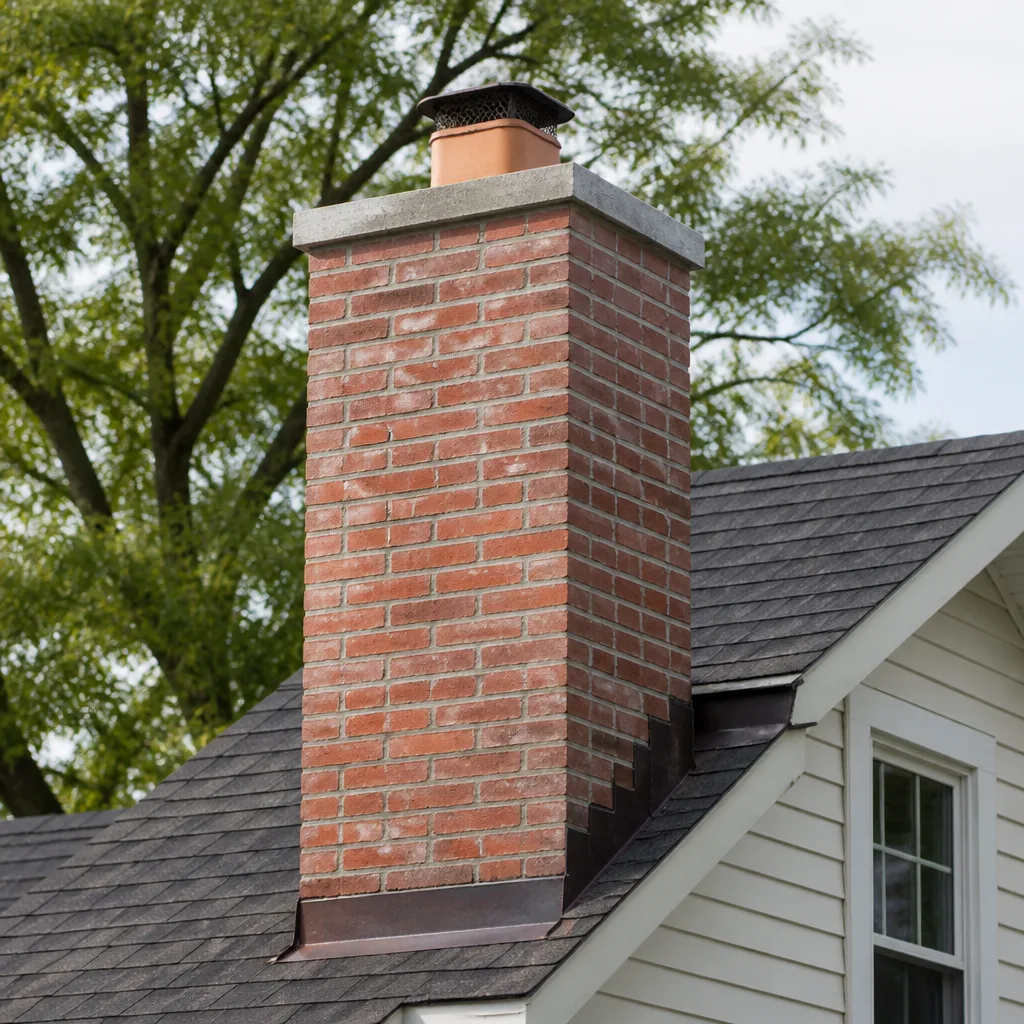 Masonry repair
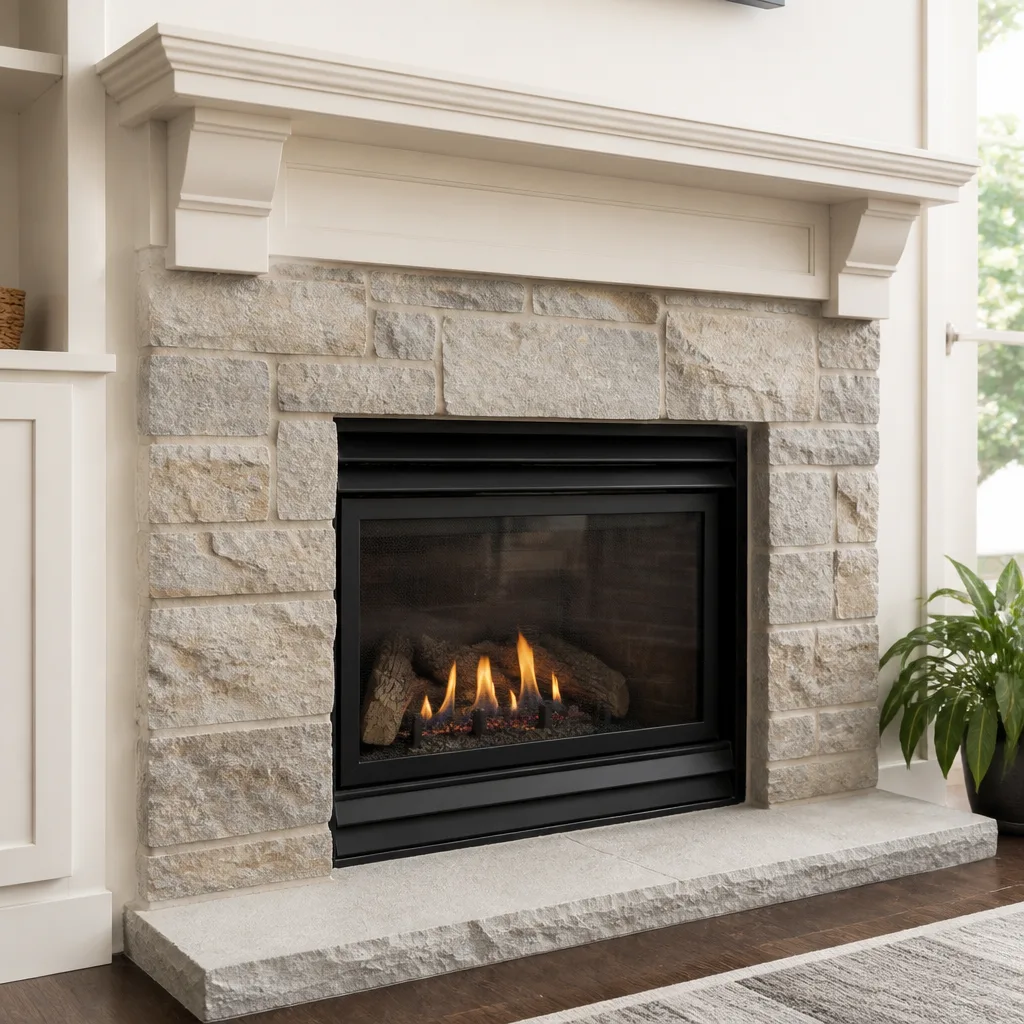 Gas fireplace service
Level 1 sweep and inspection to the NFPA 211 annual standard - flue, crown, cap, and flashing checked and photographed
Chimney sweep logs do not sweep chimneys. They loosen some creosote - which then falls where a brush and vacuum still have to collect it.
Seasonal Chimney Cleaning Care for Tottenville: Year-Round Homeowner’s Guide
Fall is when most Tottenville homeowners think about the chimney. By then, the damage that matters most has probably already happened. The season that does the real harm to chimney masonry here isn’t winter’s cold. It’s the freeze-thaw cycling that works on moisture which got into cracks nobody sealed the previous September. A chimney is a year-round system, and each season threatens a different part of it. Treating chimney care as one October chore means you’re always repairing damage instead of preventing it. This guide maps each season to its specific risk and the action that neutralizes it, so you can build a calendar that actually protects the house you live in.
Quick Answer
Year-round chimney care in Tottenville runs on four seasons, not one. Book your sweep and inspection in late September before heating season, watch for freeze-thaw damage through winter, check creosote and the liner in spring after months of use, and handle crown, cap and flashing waterproofing in summer before fall moisture arrives. Spreading the work across the year prevents damage and spreads the cost instead of piling everything into October.
Styles & brands we work with
- Sweep & inspection
- Caps & crowns
- Flue relining
- Masonry repair
- Gas fireplace service
Table of Contents
- Why Seasonal Chimney Care Beats a Once-a-Year Sweep
- Fall: The Late September Window Before Heating Season
- Winter: Freeze-Thaw Damage and What Actually Seals It
- Spring: Post-Heating Inspection Priorities
- Summer: The Overlooked Window for Crown, Cap and Flashing
- How to Build a Four-Season Chimney Calendar
- What Seasonal Chimney Care Costs in Tottenville
- Common Mistakes to Avoid
Why Seasonal Chimney Care Beats a Once-a-Year Sweep
A chimney fails in stages, and each stage happens in a different season. Soot and creosote build up while you burn. Moisture gets in through a failed crown or a rusted cap. Cold then freezes that moisture, and the freeze-thaw cycle quietly widens the cracks. By the time a homeowner calls us because a fire won’t draw or a stain appears on the ceiling, the problem has usually been developing for more than one season. That’s the core reason we pair a chimney sweep with an inspection on every visit: most chimney problems are caught during inspection, not after a fire.
In Tottenville, the seasons run hard against each other. Summer humidity, a wet fall, a winter that freezes and thaws repeatedly, then a humid spring. Each swing puts stress on masonry, mortar joints and the metal components at the top of the chimney. A once-a-year sweep cleans the flue but tells you nothing about the crown that’s been cracking since last winter. Seasonal care splits the work so each part of the system gets attention when it’s most exposed.
What each season actually protects
- Fall: the flue interior before you start burning.
- Winter: the masonry and mortar against moisture and freeze-thaw.
- Spring: creosote assessment and the liner after months of use.
- Summer: the crown, cap and flashing before the next wet season.
None of these is optional if you want the chimney to last. They’re just sequenced. From annual sweep to full structural repair, one specialist can handle every stage, which is why we’ve built our whole practice around the chimney and nothing else. Chimney work is all we do, which means it’s all we’re good at.
Fall: The Late September Window Before Heating Season
Late September is the best window for a Chimney Sweep Tottenville, and it’s the window most homeowners miss. Book too early and the flue sits dirty through the warm weeks anyway. Book in October once the first cold snap hits and you’re competing with everyone else who just remembered the chimney exists. Late September puts you ahead of the rush and gets the flue clean and inspected before the first fire, while there’s still time to fix whatever the inspection finds.
A pre-season visit isn’t just sweeping. It’s a chance to catch the failures that turn into expensive repairs by January. A pre-season inspection in Tottenville should catch:
- Creosote buildup in the flue. How much, and of what type. Glazed creosote is far harder to remove than soot and needs a different approach.
- Blockages. Nests, leaves and debris that built up over the warm months and will choke the draft on the first fire.
- The condition of the liner. Cracks, gaps or missing sections that let heat and gases reach the structure.
- The crown and cap. Cracks in the crown and a cap that’s come loose or rusted through.
- Mortar joints and flashing. Soft or missing mortar and any gap where the chimney meets the roof.
Fall is also when we see the fallout from a summer of neglect. A crown that cracked in the July heat lets in rain through October. By the time the heating season starts, that moisture is already inside the masonry, waiting for the first freeze. Getting on the schedule in late September means the inspection still finds what it can fix before winter, rather than documenting damage that will only deepen.
Winter: Freeze-Thaw Damage and What Actually Seals It
Winter does more damage to a Tottenville chimney than any other season, and not because of the cold itself. Brick and mortar are porous. When water gets into a crack or a soft joint and the temperature drops below freezing, that water expands as it turns to ice. The ice pushes the masonry apart from the inside. When it thaws, more water gets in, deeper. Every freeze-thaw cycle widens the gap a little more. Over a winter of repeated cycles, a hairline crack in the crown becomes a failing crown, and a soft mortar joint becomes a missing one. The moisture that causes this usually entered weeks earlier, through a crack nobody sealed in September.
What holds up against this cycle isn’t a coat of paint or a general-purpose sealant. Mortar joints need repointing with the right mortar, not caulk. The crown needs a proper repair product that flexes and bonds to masonry rather than cracking off in the first cold snap. That’s why we work with products like HeatShield for flue resurfacing, Gelco for crown and masonry protection, and professional-grade sealants matched to the material. A sealant chosen for a different surface will fail here in one winter. The right one holds for years.
What to watch for through winter
- White, chalky staining on exterior brick, which points to moisture moving through the masonry.
- Spalling: brick faces flaking or popping off, a direct sign of freeze-thaw damage.
- Efflorescence or damp patches inside the house near the chimney breast.
- Crumbling mortar in the joints you can reach from the roofline.
You can’t stop a Staten Island winter. You can keep water out of the masonry before it starts, and that work happens in the fall and summer, not in January. Winter is when you watch and take note. The sealing that neutralizes this threat belongs to the warmer months, which is why we schedule crown and masonry waterproofing before the cold arrives.
Spring: Post-Heating Inspection Priorities
Spring is the season you inspect what a winter of use actually did. After months of fires, the flue has fresh creosote, the liner has been through real heat cycling, and any weak point in the system has had a full season to show itself. This is where post-use inspection matters more than the pre-season check. Before the season, you’re predicting risk. After it, you’re reading the evidence.
Spring priorities in Tottenville come down to two things: creosote and the liner.
- Creosote assessment. How much built up, and how hard is it? A light soot layers cleans off easily. Glazed, tar-like creosote is a fire risk and needs professional removal, sometimes chemical treatment. Spring is the right time to deal with it, while the fireplace is idle.
- Liner condition. Clay tile liners can crack under sustained heat cycling. Metal liners can develop gaps at the joints. Either way, a damaged liner lets heat and gases reach the structure and needs relining, which is exactly where HeatShield flue resurfacing or a DuraFlex liner comes in.
- Damper and smoke shelf. Check the damper seals and that soot isn’t piled on the smoke shelf, which chokes the draft.
- Firebox. Cracks in the firebox brick and mortar that opened up over a heating season. That’s fireplace repair territory, and it’s safer fixed in spring than discovered in November.
Doing this in spring also means you know the condition of the system all summer. If a liner needs relining, you’ve got months to plan it rather than facing it the week you want to light a fire. In our experience, homeowners who inspect in spring spend less and worry less than the ones who first look at the chimney in October.
Summer: The Overlooked Window for Crown, Cap and Flashing
Summer is the season nobody associates with chimney work, and it’s the best one for the exterior. The weather is dry, the masonry is warm and stable, and moisture hasn’t arrived yet. Everything that failed over the winter and got diagnosed in spring should be fixed now, before the fall rains test it. The three components that matter most are the crown, the cap and the flashing.
The crown
The crown is the concrete or mortar cap at the very top of the chimney, and its whole job is to shed water away from the masonry below. When it cracks, water runs into the top of the chimney. A crown repair or replacement in summer, done with a proper crown product like Gelco, closes that path before fall. This is the single most cost-effective thing a Tottenville homeowner can do to protect masonry.
The cap
A chimney cap keeps rain, debris and animals out of the flue. A rusted, loose or missing cap lets water straight down the flue. Summer is when we install or replace a chimney cap & crown so it’s set and sealed well before the wet season.
The flashing
Flashing is the metal seal where the chimney meets the roof. When it lifts or rusts, water gets into the roof deck and the ceiling below. Flashing repairs are best done in dry weather, which is why summer belongs on the calendar for them.
Working with brands like Olympia Chimney for caps, DuraFlex for liners and HeatShield for resurfacing means the components are matched to the job rather than whatever’s on hand. That’s what trade-level product knowledge buys you when the same person does the crown, the cap and the liner.
How to Build a Four-Season Chimney Calendar
A working calendar staggers the work by season, so nothing piles into October and nothing gets skipped. The trick is to assign each task to the season that makes the most sense, then keep the visits spaced. Here’s the structure that works for a Tottenville home with a wood-burning fireplace:
- Late September: sweep and inspection. Clean the flue and document its condition before the first fire. Book ahead of the October rush.
- October: seal and waterproof. Apply masonry sealer and repair any crown or joint issue the September inspection found, before the freezes.
- Winter: watch and note. Burn, and keep an eye out for spalling, staining or draft problems. Note anything odd for the spring.
- March or April: post-season inspection. Assess creosote, the liner, the firebox and the damper after a winter of use. Plan any relining.
- June or July: exterior work. Crown, cap and flashing repairs and waterproofing in dry weather, before fall moisture arrives.
- August: schedule the fall sweep. Get on the September calendar early rather than chancing the busy weeks.
Spacing costs this way is the practical benefit. Instead of one large October bill for a sweep, an inspection and emergency repairs, you spread the work across the year and pay for each item as you go. It also means you’re never making a rushed decision about a repair that a spring inspection could have planned out. From annual sweep to full structural repair, one call, one specialist keeps the whole calendar coherent.
What Seasonal Chimney Care Costs in Tottenville
Chimney work is priced per job by the written estimate, so the figures below are typical ranges based on the kind of work each season involves, not quotes. The estimate is free, and it sets the final price. Here’s how the seasonal work usually breaks down as a line-item list:
- Fall sweep and inspection: a routine cleaning paired with an inspection, the standard entry point to seasonal care.
- Spring post-season inspection: a flue and component check after a heating season, often booked alone or with a sweep.
- Crown repair or waterproofing: a repair or coating job depending on the condition of the crown.
- Cap replacement: a new or replacement cap sized to the flue.
- Flashing repair: resealing or reworking the seal where the chimney meets the roof.
- Liner relining: a bigger job when the spring inspection finds a failed liner, using HeatShield resurfacing or a DuraFlex liner.
Because the price depends on what each job actually involves, the honest way to plan is to get the inspection first and let the written estimate set the number. Nothing gets recommended without evidence you can see for yourself, and when work can safely wait, we say so. Call (855) 507-5849 for an exact quote. Estimates are free.
Common Mistakes to Avoid
- Treating the chimney as an October-only task. One annual visit cleans the flue but misses the seasonal threats to crown, cap and masonry that build up the rest of the year. Damage grows quietly between visits.
- Skipping spring inspection because the fire worked fine. A fireplace that lit and burned well can still hide creosote buildup and a cracked liner. Spring is when you read what the winter did.
- Using the wrong sealant on masonry. General-purpose caulk and paint don’t survive Tottenville’s freeze-thaw cycle. Only products matched to brick and mortar, like proper crown and masonry products, hold up.
- Leaving a cracked crown until fall. A crown cracked through the summer lets water in well before the first rain of the season. Summer is when it should be fixed.
- Ignoring a rusted or missing cap. An open flue takes rain, debris and animals straight down the chimney. A cap is one of the cheapest protections there is.
- Letting a flue sit dirty all summer. Creosote left in the flue through the warm months can corrode the liner and makes the fall clean harder. Spring assessment beats a fall surprise.
- Booking the sweep in late October. That’s the busiest week of the year. Late September gets the same work done without the scramble and leaves time for repairs before the cold.
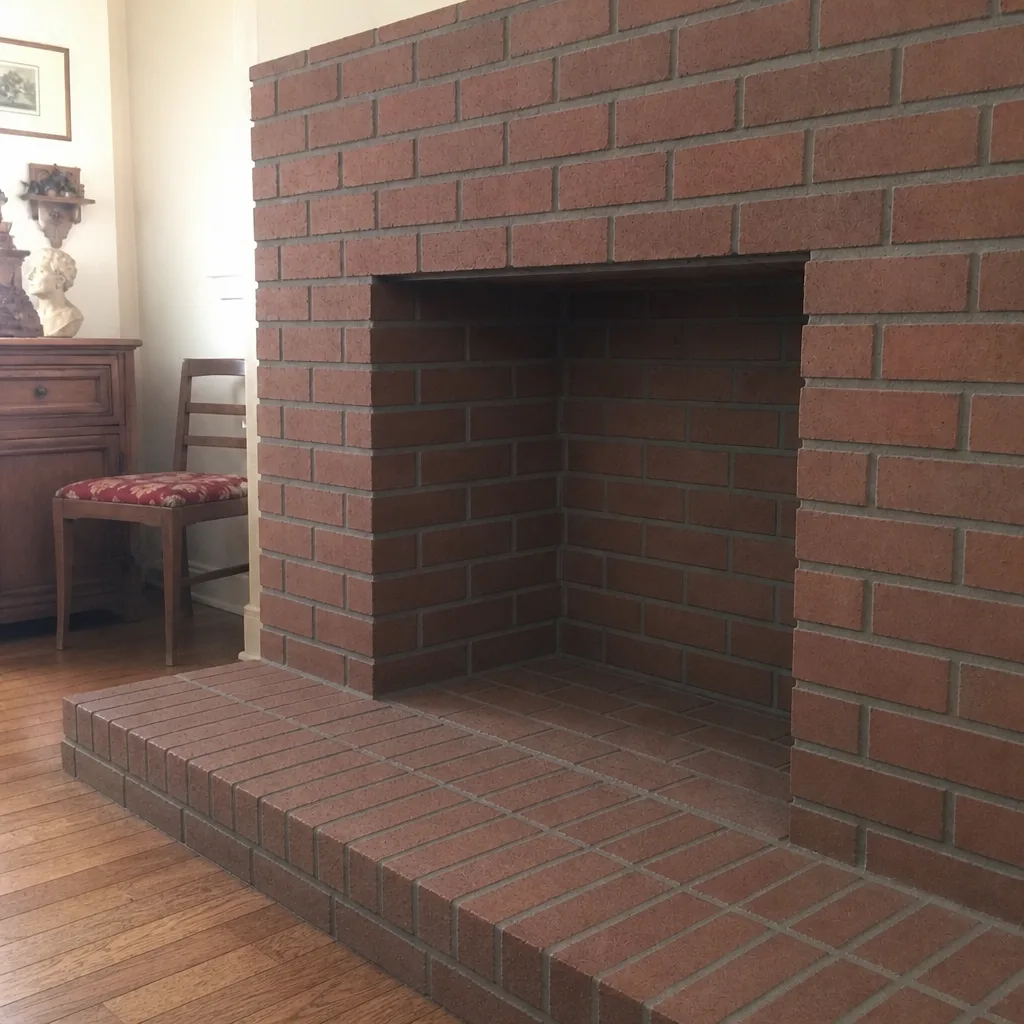
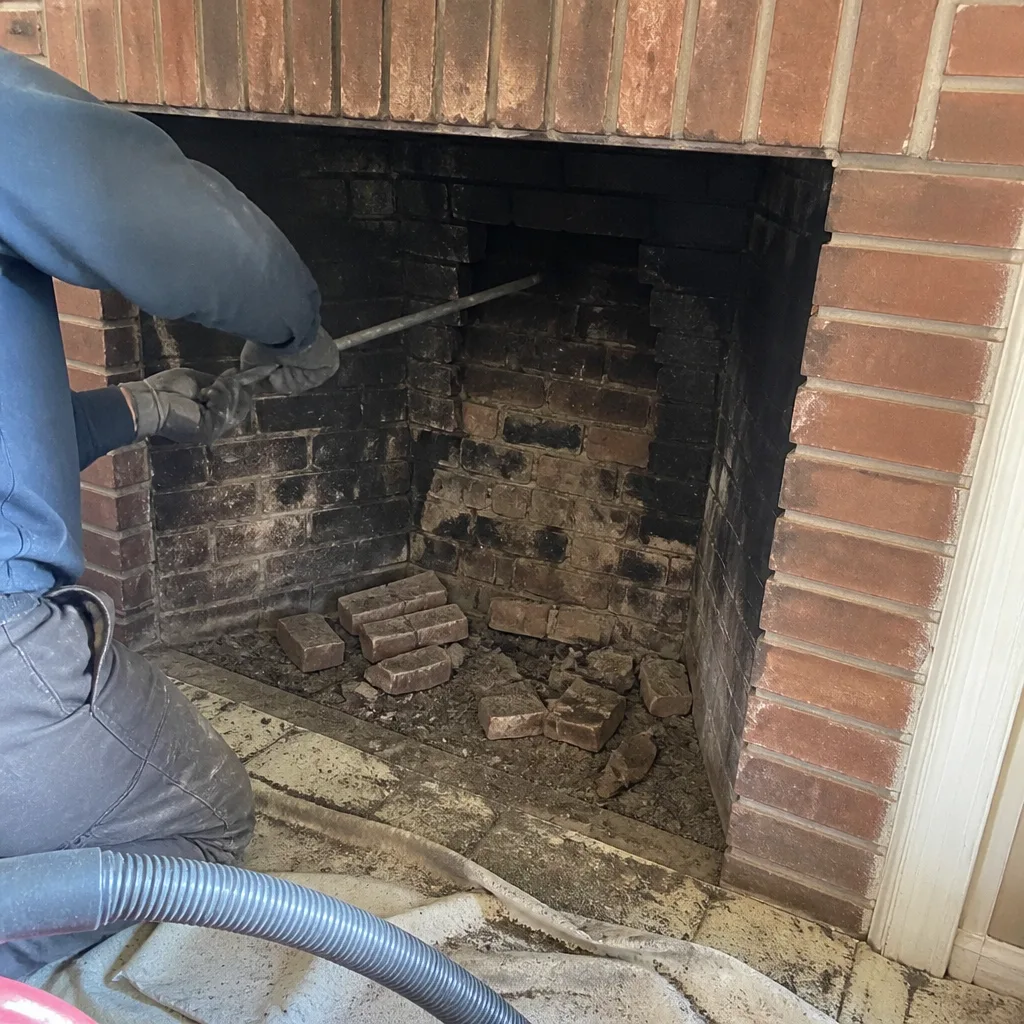
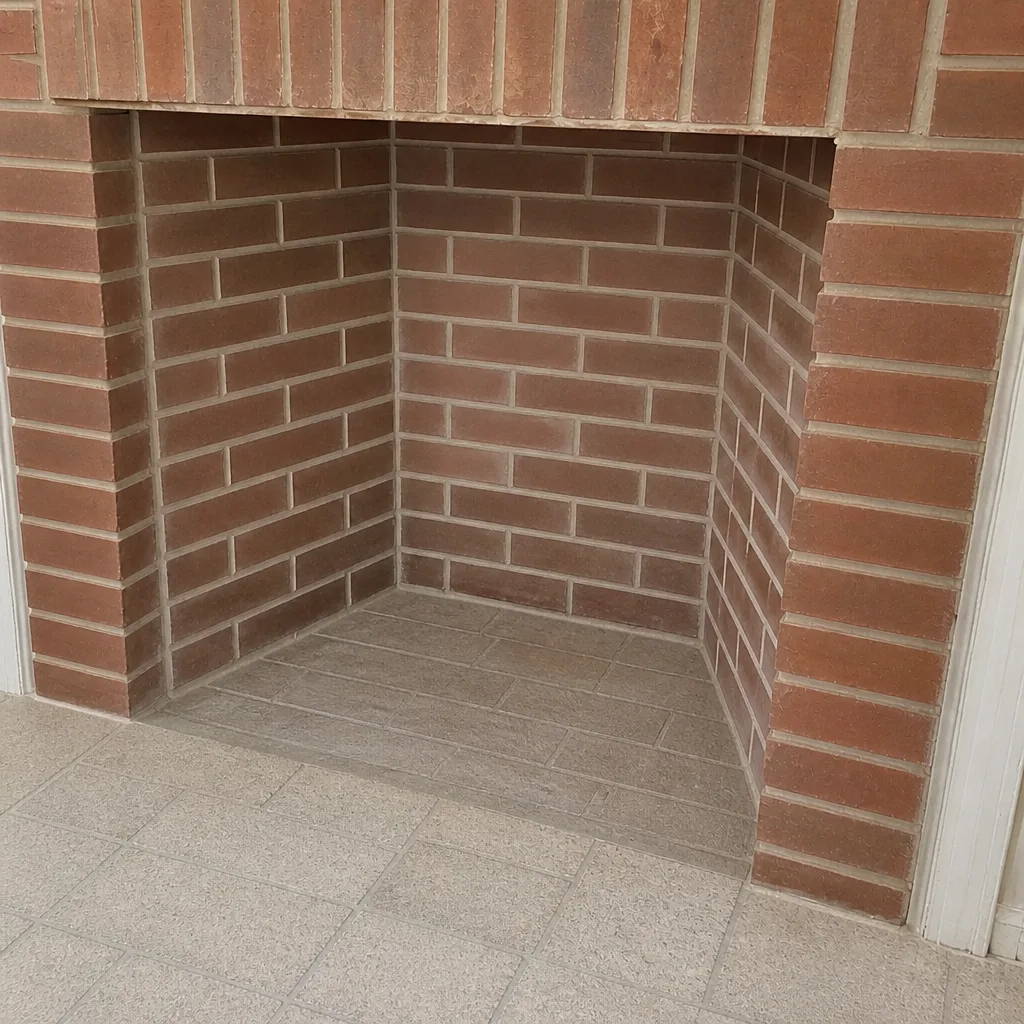
See the difference
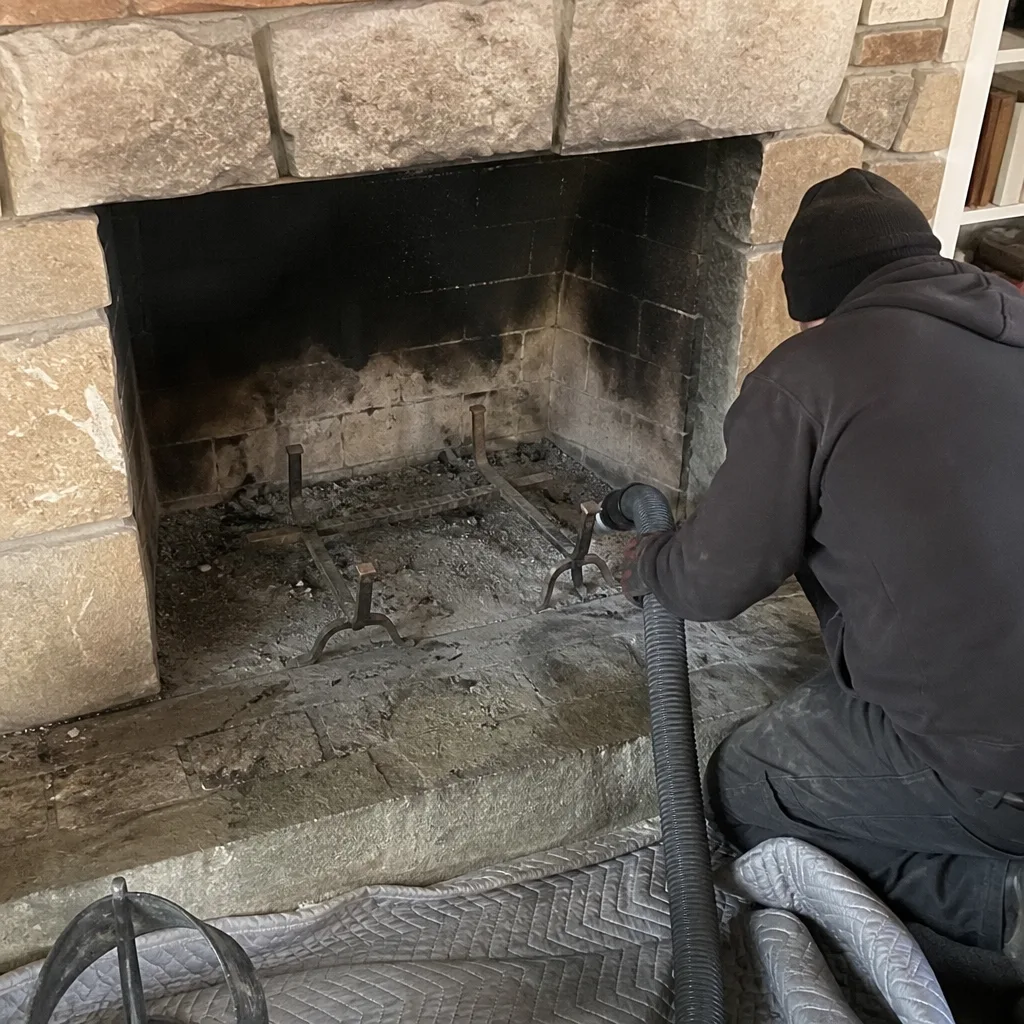 Before
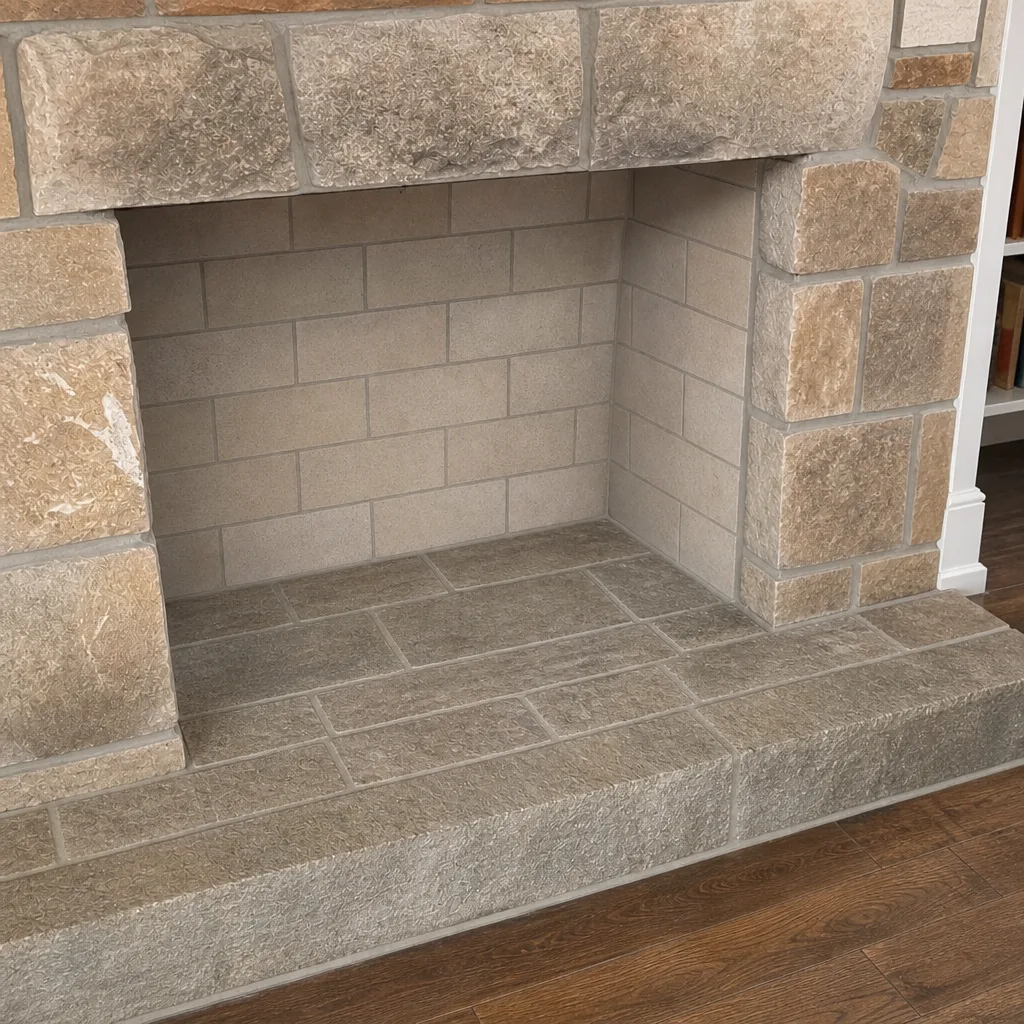 After
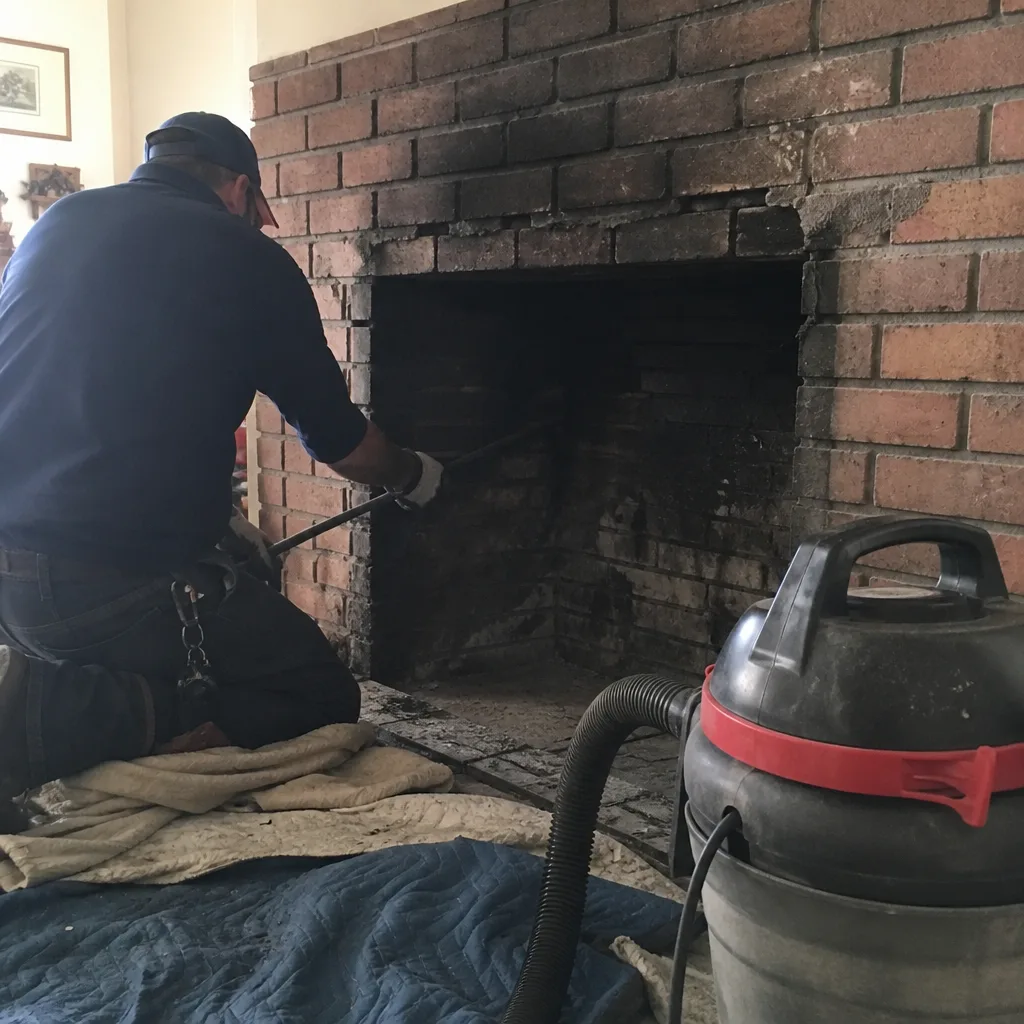 Before
 After
 Before
 After
When to Call a Professional
Some chimney work belongs to a trained specialist and nothing else. Call a professional when the flue hasn’t been swept in a heating season or more, when a spring inspection finds hard, glazed creosote, when you see cracks or gaps in the liner, or when the crown, cap or flashing is cracked, loose or missing. Call too if smoke backs into the room, if the fire struggles to draw, or if you notice staining on the brick or near the chimney breast inside. A failing liner, dark glazed creosote and a compromised crown are safety issues, not maintenance items, and a chimney fire is not something to chance. Any relining or structural repair should go to a trained technician. Chimney Sweep Tottenville offers free estimates in Tottenville. Call (855) 507-5849. We answer 24/7. Fast dispatch from 7am to 7pm, Sunday through Friday.
Frequently Asked Questions
Once a year for a chimney you burn in regularly, and always before heating season. In Tottenville, that means a late September sweep so the flue is clean before the first fire. If you burn heavily through the winter, a spring inspection after the season catches what built up. Call (855) 507-5849 for an exact quote. Estimates are free.
Because of freeze-thaw cycling, not cold alone. Water that got into a crack or soft joint expands when it freezes and pushes the masonry apart from the inside, then thaws and lets more water in. Over a winter of repeated cycles, small cracks become real failures. The fix is keeping water out before winter, through sealing and crown repair done in fall and summer.
Only if the inspection finds a failed one, and we don’t recommend a liner without evidence you can see in the camera inspection and photo report. A cracked clay liner or a metal liner with gaps lets heat and gases reach the structure, which is a real risk. When it’s sound, we say so. When a reline is needed, HeatShield resurfacing or a DuraFlex liner is the usual route. Call (855) 507-5849 for an exact quote. Estimates are free.
Creosote keeps building, and glazed creosote is a chimney fire risk. A crack in the crown or liner goes on letting moisture or heat into the structure, and the damage deepens each season. Most chimney problems are caught during inspection, not after a fire, so the skipped visit is the one that lets a small repair grow into a structural one. Call (855) 507-5849 to get back on schedule. Estimates are free.
Yes, it’s the best time for exterior work. The weather is dry and the masonry stable, so crown repair, cap and flashing work and waterproofing all bond and seal properly. Doing that work in summer means the crown and cap are protecting the chimney before the fall rains arrive.
Often, yes, because one chimney specialist handles every stage. From annual sweep to full structural repair, we cover sweeping, inspection, cap and crown work, fireplace repair and structural repair, which means you’re not coordinating three different contractors. The inspection decides the sequence and the written estimate sets the price. Call (855) 507-5849 for an exact quote. Estimates are free.
The Bottom Line
Chimney care in Tottenville isn’t one October chore; it’s four seasons of targeted work. Fall sweeps and inspects before heating. Spring reads what the winter did, especially creosote and the liner. Summer fixes the crown, cap and flashing in dry weather before moisture returns. Winter is when you watch and take note. Spread across the year, each task neutralizes a specific threat to a different part of the system, and the cost is staggered instead of front-loaded. A clean chimney is a safe chimney, and we document every inspection so you have proof. From annual sweep to full structural repair, one call, one specialist. Call (855) 507-5849 to get on the schedule.
Written by the team at Chimney Sweep Tottenville.