
Last updated November 25, 2026
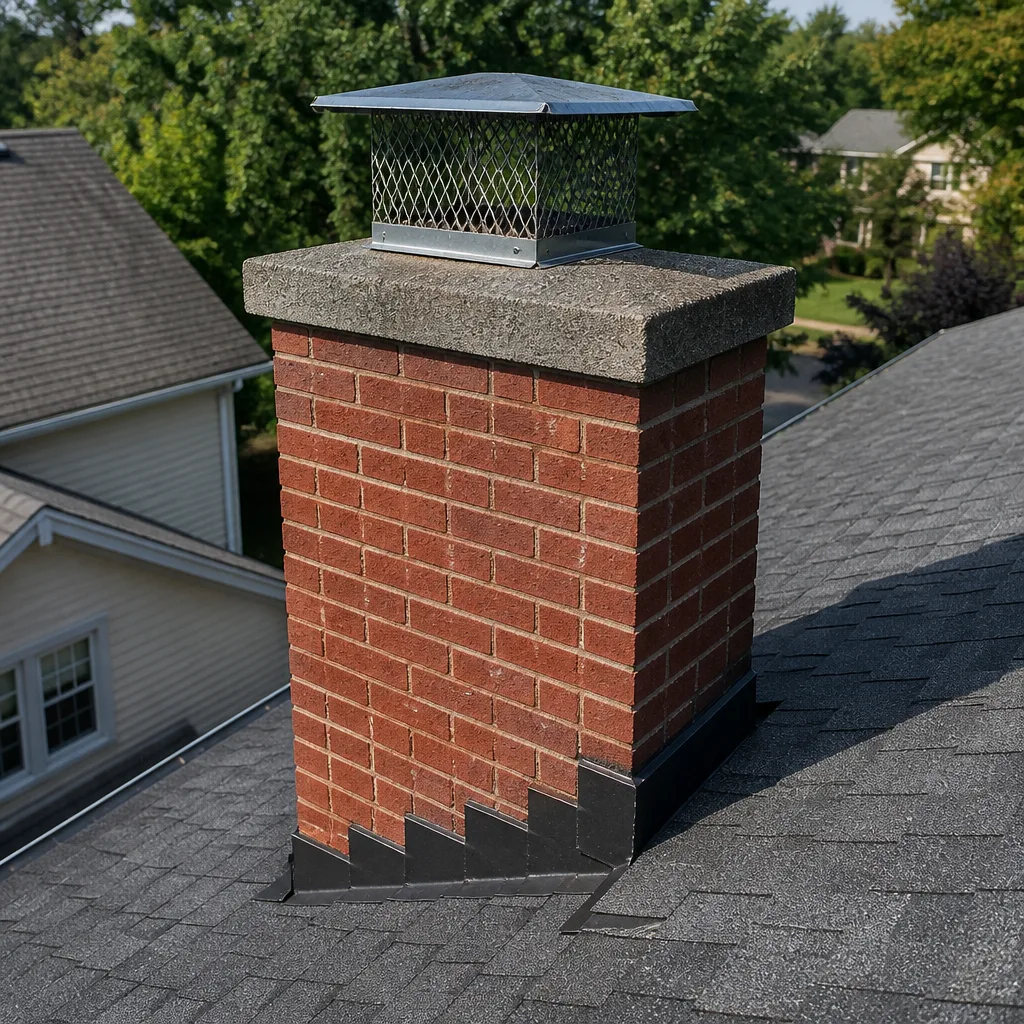 Sweep & inspection
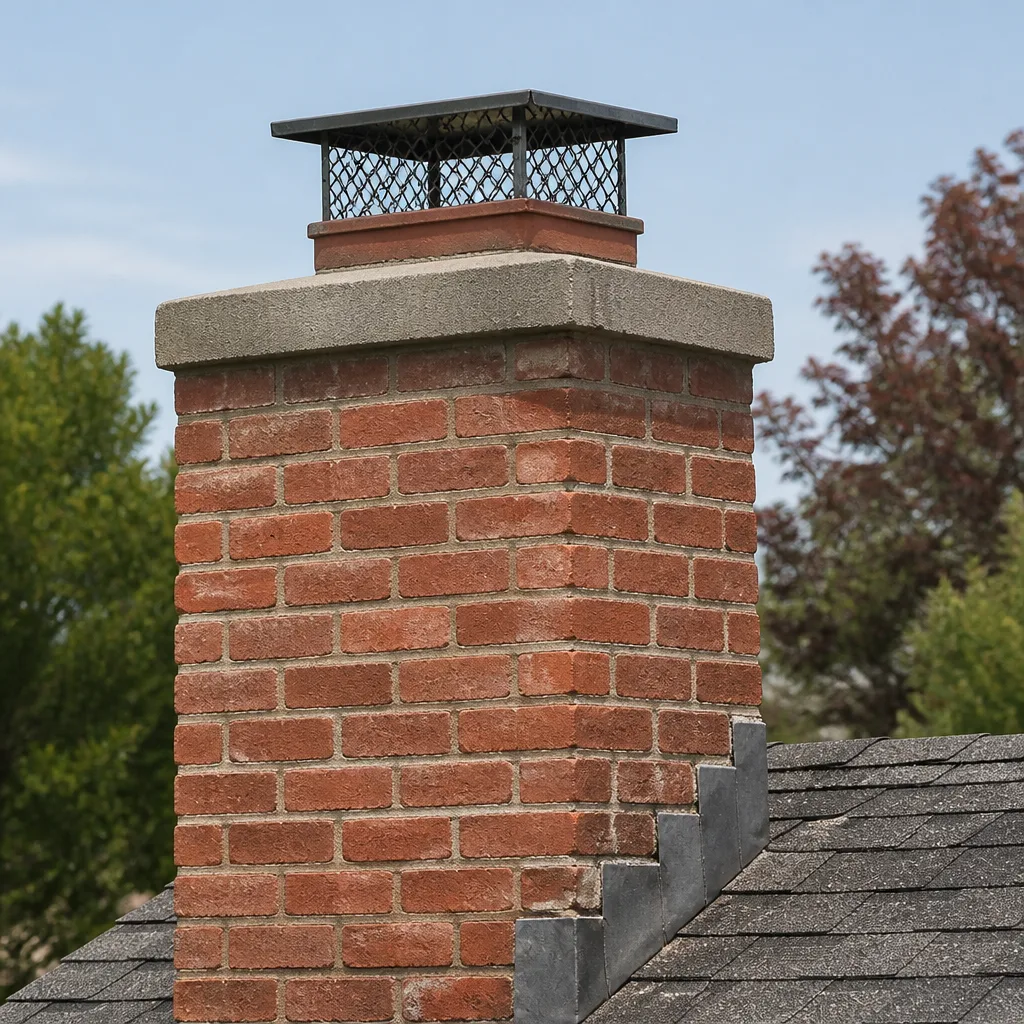 Caps & crowns
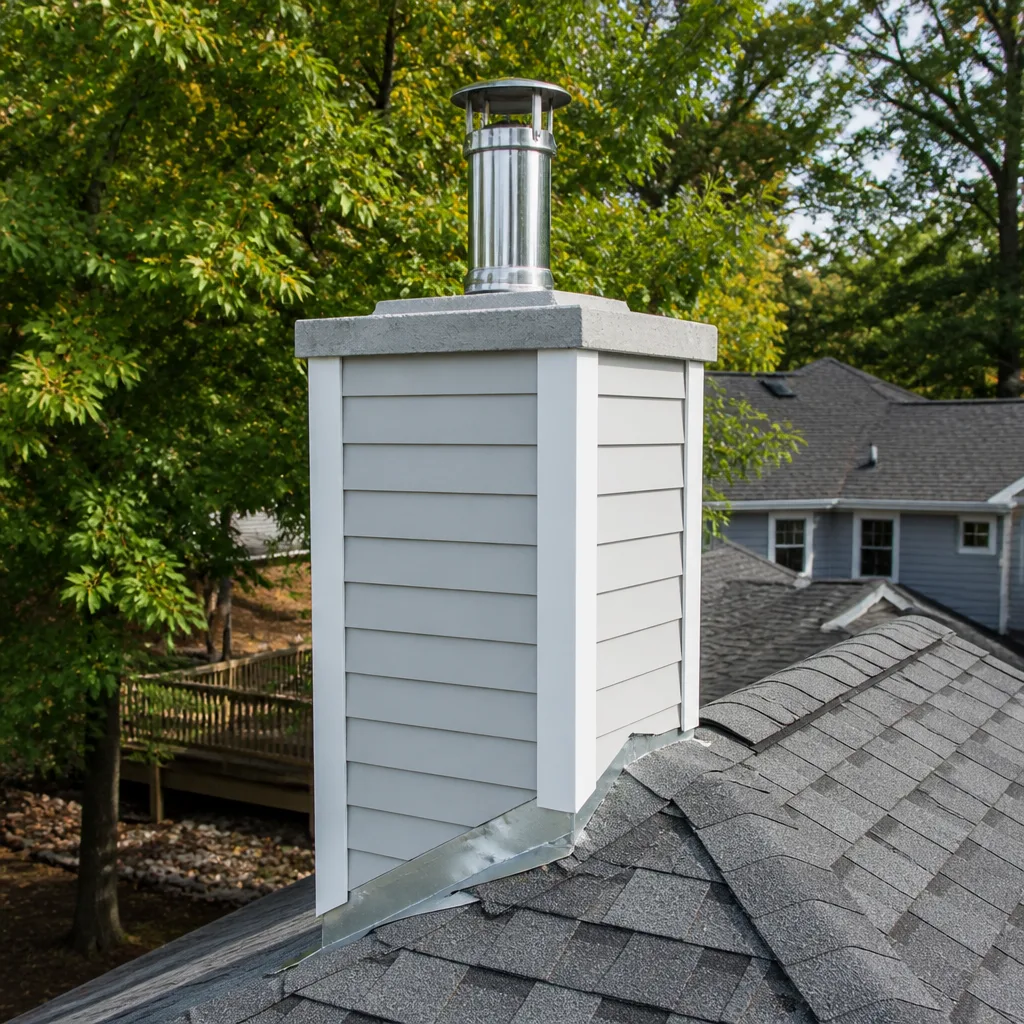 Flue relining
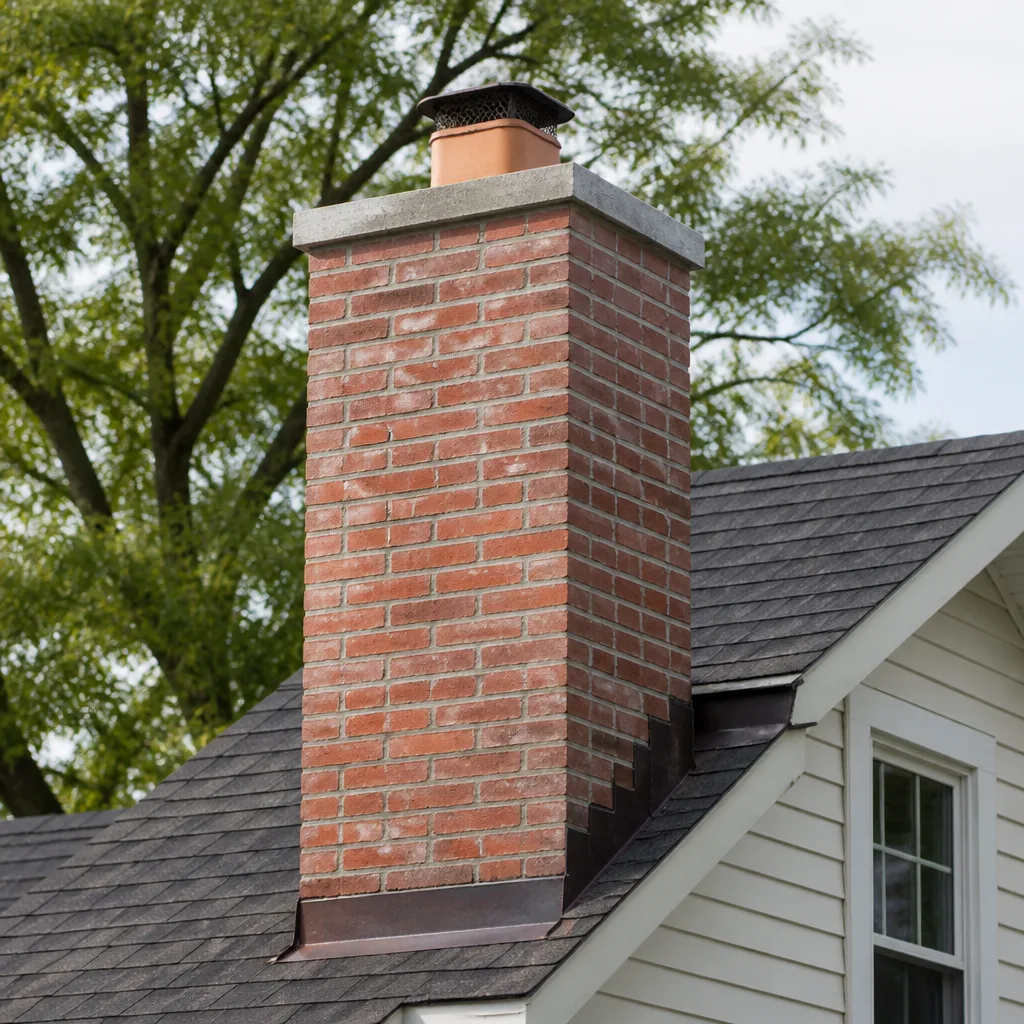 Masonry repair
 Gas fireplace service
Level 1 sweep and inspection to the NFPA 211 annual standard - flue, crown, cap, and flashing checked and photographed
Chimney sweep logs do not sweep chimneys. They loosen some creosote - which then falls where a brush and vacuum still have to collect it.
Chimney Cleaning Emergency Preparedness Guide for Tottenville Homes
A chimney fire doesn’t always sound like a roar. Sometimes it’s a low crackling behind the firebox wall, easy to mistake for normal settling or the sound of a fire burning down. By the time it’s loud enough to recognize, it has often been burning for several minutes. That gap between what a chimney fire feels like and what it actually is forms the core of every safe response plan we can give a Tottenville homeowner. This guide covers two halves of the same job: preventing the emergencies and knowing exactly what to do in the first fifteen minutes if one starts. Both matter at once in a house that relies on its fireplace through a cold winter.
Quick Answer
If you suspect a chimney fire in Tottenville, close the firebox doors or damper if you can do so safely, get everyone outside, call 911, and don’t use the fireplace again until a professional inspection clears it. For carbon monoxide, get everyone into fresh air, call 911, and treat any detector alarm as real. Slow-burn and smoldering chimney fires can damage the flue and chimney structure without ever producing visible flame from the rooftop, which is why a swept and inspected flue is the single best emergency plan you can have.
Styles & brands we work with
- Sweep & inspection
- Caps & crowns
- Flue relining
- Masonry repair
- Gas fireplace service
Table of Contents
- The Three Types of Chimney Fire and What to Do for Each
- Carbon Monoxide and Backdrafting in Tottenville Homes
- The Chimney Emergency Kit Every Tottenville Fireplace Needs
- What to Tell Tottenville Fire Department Dispatch
- After a Chimney Fire: Why You Still Need a Level 2 Inspection
- Prevention: The Cleaning Schedule That Prevents Most Emergencies
- Getting Ready Before Heating Season in Tottenville
- How Tottenville’s Winter and Housing Shape Chimney Risk
The Three Types of Chimney Fire and What to Do for Each
Chimney fires get described as one thing, but they behave in three distinct ways, and the right response depends on which one you’re facing. The evidence we look for during an inspection tells the story: cracked flue tiles, puffy or honeycombed creosote, warped dampers and heat-discolored metal on the cap all point to a fire that already happened. Knowing how each type behaves is what lets a homeowner respond correctly instead of guessing.
1. Explosive chimney fires
These are the loud, dramatic kind. You may hear a boom like a train going by, feel a rumble in the wall, or see flames and sparks pushed out the top of the chimney. The cause is a sudden ignition of a heavy creosote deposit, and these fires generate intense heat fast. Get everyone out of the house, call 911, and don’t spray water into the firebox. Water on a superheated fire is a burn hazard and can crack masonry.
2. Slow-burn chimney fires
A slow-burn fire burns cooler and longer. It may produce smoke, a low roaring sound, or nothing you’d recognize as a fire at all, but the sustained heat is still damaging the flue. The telltale sign after the fact is a creosote glaze that’s been baked hard into puffy layers. Close the damper if it’s safe to reach, get out, call 911, and keep the fire company on the line while you wait.
3. Smoldering fires
The quietest of the three, a smoldering fire may smudge smoke from a chimney seam or through a flue joint in the attic, or show no obvious sign at all. It can go on for a long time, gently eating into the mortar and flue tile. Any smoke where there shouldn’t be smoke, any hissing from the firebox door, and any smell of burning that isn’t coming from the fire itself are reasons to treat it as an active fire and clear the house.
What ties all three together: a swept flue is what keeps a “chimney fire emergency” from actually happening in a Tottenville house. Creosote is the fuel, and removing it on a schedule is the prevention.
Carbon Monoxide and Backdrafting in Tottenville Homes
Carbon monoxide is invisible, odorless, and the most dangerous thing that can come out of a chimney problem. A chimney works because warm exhaust rises up the flue and draws fresh air into the firebox. Anything that breaks that upward draft can push exhaust back into the house instead. In Tottenville, that happens in a handful of specific ways, and knowing them helps you spot the conditions before exposure.
What causes backdrafting here
- Blocked or partially blocked flue: a bird nest, a collapsed flue tile, or heavy creosote buildup narrows the passage until exhaust can’t clear. Blockage is the most common practical cause we find.
- Negative pressure: modern houses are tight. A powerful kitchen exhaust fan, a bathroom fan, a dryer, or a second fireplace all pulling at once can starve the chimney of the air it needs and pull smoke backward.
- Wind patterns: Tottenville sits near the water on the south shore of Staten Island, and a windy day can push air down the chimney. This is where a proper chimney cap & crown earns its keep, since the right cap keeps downdrafts from turning into a backdraft.
- Cold flue starts: a chimney that’s gone unused all summer is cold and dense, and the first fire of the season can smoke into the room before the flue warms and the draft establishes. A smoky first fire is a warning, not a quirk.
Detection before exposure
The main defense is a carbon monoxide detector, which belongs on every level of the home and near sleeping areas, kept well away from the firebox itself. Test it before heating season, and replace the battery on the schedule the manufacturer recommends. Beyond detectors, watch for the physical tells: soot stains on the fireplace surround, a smell of combustion when the fire isn’t burning, a fire that won’t draw, headaches or eye irritation in a room with a fire. Any of those point to a drafting problem that needs inspection before the next burn.
The Chimney Emergency Kit Every Tottenville Fireplace Needs
Most general home emergency kits aren’t built with a fireplace in mind. The tools a chimney emergency actually calls for are small, cheap, and specific, and keeping them in one place near the hearth saves minutes you won’t have later. Here’s what belongs in a chimney-specific kit.
- A working carbon monoxide detector on every level. Not one in the hallway, one on each floor, tested before the season starts.
- A chimney flashlight. A small, bright flashlight kept where the homeowner can find it in the dark so the firebox and damper can be checked without fumbling for a phone light.
- A fire extinguisher rated for the fire you’d expect to face. A multipurpose extinguisher kept away from the firebox but within reach of the room, and a plan for when to grab it and when to just leave.
- A phone kept on you, not on the wall. Dispatch calls are faster when the phone is in a pocket rather than on the kitchen counter.
- A printed list of what to tell dispatch. Boring, but it keeps you on script when adrenaline isn’t helping (see the dispatch section below).
- Damper access worked out ahead of time. Before lighting a fire, know where the damper handle is and confirm it moves freely. A stuck damper is an emergency in itself.
- Flue closure awareness. If the firebox doors close, know how they close and feel confident closing them. A glass door held shut slows a fire’s air supply.
An annual chimney sweep is what keeps most of this kit from ever being used. The kit exists for the once-in-a-decade night when something goes wrong anyway, and it’s cheap insurance. Store it near the hearth and check it each fall.
What to Tell Tottenville Fire Department Dispatch
When you call 911 about a chimney fire, the information you give shapes the response. Fire companies decide what to bring, from a single engine to a full ladder response, based on what they hear from you. Knowing the right details in advance avoids the moment where you’re guessing into a phone receiver.
Here’s the order that helps most:
- Your address and cross streets first. Clear, slow, and exact. Dispatch can’t send anyone until they have it.
- That it’s a chimney fire, and which type you’re seeing. “A fire in my chimney” is different from “smoke coming through the wall” or “flames at the top of the chimney.” Say which.
- Whether anyone is inside, and whether anyone is hurt. Say it early. If a child or a pet is still inside, that changes everything about the response.
- What the chimney and fireplace look like right now. Smoke in the room, smell of burning, visible flame at the cap, sparks on the roof, soot at the seams.
- Whether you’ve closed the damper or doors. If it’s safe to close them, that slows the fire. Tell dispatch what you did.
- Whether there’s a CO alarm sounding. If it is, treat that as its own emergency, and let the fire company know.
- Anything unusual about the house. A wood stove feeding the same flue, a second fireplace, recent work on the chimney, a tight new house. All useful.
The single most important instruction: get everyone out first, then call, then answer dispatch’s questions. Don’t spend time looking for problems you can describe once you’re safe. A fire that stays inside the flue is still serious, and fire companies know that the roof and the attic are where a chimney fire can spread.
After a Chimney Fire: Why You Still Need a Level 2 Inspection
A chimney can survive a fire without showing a single crack from the outside. The flue interior, though, may have been heat-shocked and cracked, the mortar joints may have failed, and the creosote that didn’t burn has been baked into a hard glaze. That’s why a Level 2 inspection is required before the chimney is used again, no matter how minor the fire seemed at the time.
What a Level 2 inspection looks for
- Cracked flue tiles and damage to the joints between them, which open the way for heat and smoke to reach framing.
- Warped or discolored dampers and other metal that shows how hot the fire actually burned.
- Creosote glazed to a hard, shiny layer that ordinary sweeping won’t remove and that has to be addressed before the next fire.
- Damaged or missing chimney cap and crown, which let water and animals into the flue after the fire has passed.
- Signs of fire outside the flue in the attic, at the roof penetration, or along the chimney chase, which is where a chimney fire does its worst.
- Whether the flue needs relining and, if it does, whether a product like HeatShield or DuraFlex liner is the right fit.
A chimney that “survived” a fire is not a chimney that’s ready for the next fire. We often find damage that a homeowner never suspected, and the right next step is always a proper inspection rather than a next fire that tests the same flue.
Prevention: The Cleaning Schedule That Prevents Most Emergencies
The number one cause of chimney fires is a flue that wasn’t cleaned often enough. The number two is a flue that was cleaned on the wrong schedule, and the number three is a flue that was never inspected at all. Prevention is a schedule, and it’s the simplest thing a Tottenville homeowner can put on the calendar.
- Sweep annually for a fireplace in regular use through the winter. A wood fireplace used most evenings during heating season needs the flue brushed and inspected once a year.
- Sweep more often if you burn unseasoned or green wood, if the fireplace is your main heat source, or if you’ve had a fire previously and haven’t relined the flue.
- Inspect when you move in. A new house, or a house where the chimney hasn’t been used in a few years, needs a Level 2 inspection before the first fire. You don’t know its history.
- Inspect after any chimney event. A chimney fire, a lightning strike near the roof, a nearby tornado warning, or a chimney that’s suddenly drafting poorly all warrant an inspection.
For a Tottenville house, the routine is simple: a Chimney Sweep Tottenville every year before heating season, a repair when the inspection flags something, and an inspection for the first fire in a new home. The fireplace repair that a chimney needs is almost always cheaper than the repair after a fire.
Getting Ready Before Heating Season in Tottenville
The best time to prevent a chimney emergency is before you need the fireplace. Heating season in Tottenville starts when the first cold snap hits, and chimneys that sat idle all summer tend to fail on the first real fire rather than the middle of winter. A short checklist before the first fire goes a long way.
- Book the sweep in late summer or early fall. The flue is brushed, the cap checked, and any issue is caught before you’re relying on the fireplace every night.
- Test the carbon monoxide detectors. Every level, every year, on the manufacturer’s schedule.
- Check the chimney cap and crown. A cap that’s loose, rusted through, or missing is a direct path for rain, birds, and downdrafts into the flue.
- Confirm the damper opens and closes freely. A damper that’s stuck open wastes heat; one stuck closed is a smoke problem waiting to happen.
- Stock dry, seasoned wood. Dry wood burns cleaner and deposits less creosote. Green wood heats less and clogs the flue.
- Note your worst-drafting rooms. If a kitchen fan sucks smoke from the firebox, the house has a pressure problem worth knowing before winter.
We work only with professional-grade materials from brands like Copperfield, HeatShield, DuraFlex, and Famco, and our technicians have up to 10 years of experience. That means one visit can cover the sweep, the inspection, and the small repairs that keep heating season from turning into an emergency call.
How Tottenville’s Winter and Housing Shape Chimney Risk
Tottenville’s winters are cold enough that a fireplace gets real use, and that regular use is exactly what loads a flue with creosote. The neighborhood’s mix of older homes and newer builds also shapes chimney risk in a way that’s easy to miss. Older houses often have clay-tile flues built to standards that predate modern venting, while newer tight-built homes have the negative-pressure problem described earlier. Both types of house can have fireplaces that look perfectly fine from the outside and are anything but.
The local pattern that comes up most: a house sits on the market for a season, chimney never used, then a new family moves in and lights a fire in October. Everything looks clean and nothing drafts right, because the flue has a decade of creosote and a family of birds inside it. That’s not a chimney fire looking for a place to happen, it’s a chimney that’s already halfway there. An inspection before the first fire is what catches it.
The flip side: a house with a fireplace used every winter, swept every year, is one of the safest chimneys we see. The chimney and fireplace system isn’t fragile, it just needs its two visits a year, one for sweeping and one for inspection, and it will burn correctly for decades. Treat it like a furnace: a scheduled maintenance item, not a repair that happens when something breaks.
Common Mistakes to Avoid
- Assuming a chimney is fine because the fire burns well. A fire that draws well today can still have a cracked tile that only the camera reveals. That’s why every visit includes an inspection, not just a sweep.
- Burning green or unseasoned wood to “save money.” Wet wood produces more creosote and less heat, which is the exact combination that causes chimney fires. Dry, seasoned wood and a clean flue go together.
- Skipping the summer inspection because nothing seemed wrong. The seasons are exactly when a chimney’s cracked crown, rusted cap, or loose joint gets worse. Fall is the wrong time to discover it.
- Closing the damper overnight and forgetting to open it before the next fire. A damper that’s stuck from disuse is a smoke-in-the-room problem waiting to happen. Test it before you need it.
- Self-diagnosing a smoky fire as “just the weather.” A fireplace that used to work and now doesn’t is telling you something about blockage, pressure, or a damaged crown. Don’t ignore it because the fire is warm.
- Assuming a new cap or a slick stove install is enough. The cap is part of a system, and without the annual inspection the chimney doesn’t get the checks it needs. Even a brand-new chimney cap & crown needs the flue beneath it looked at.
- Calling a general contractor for chimney work. Chimney work is a specific trade with its own products and its own failure modes. A specialist knows what to look for; a generalist doesn’t.
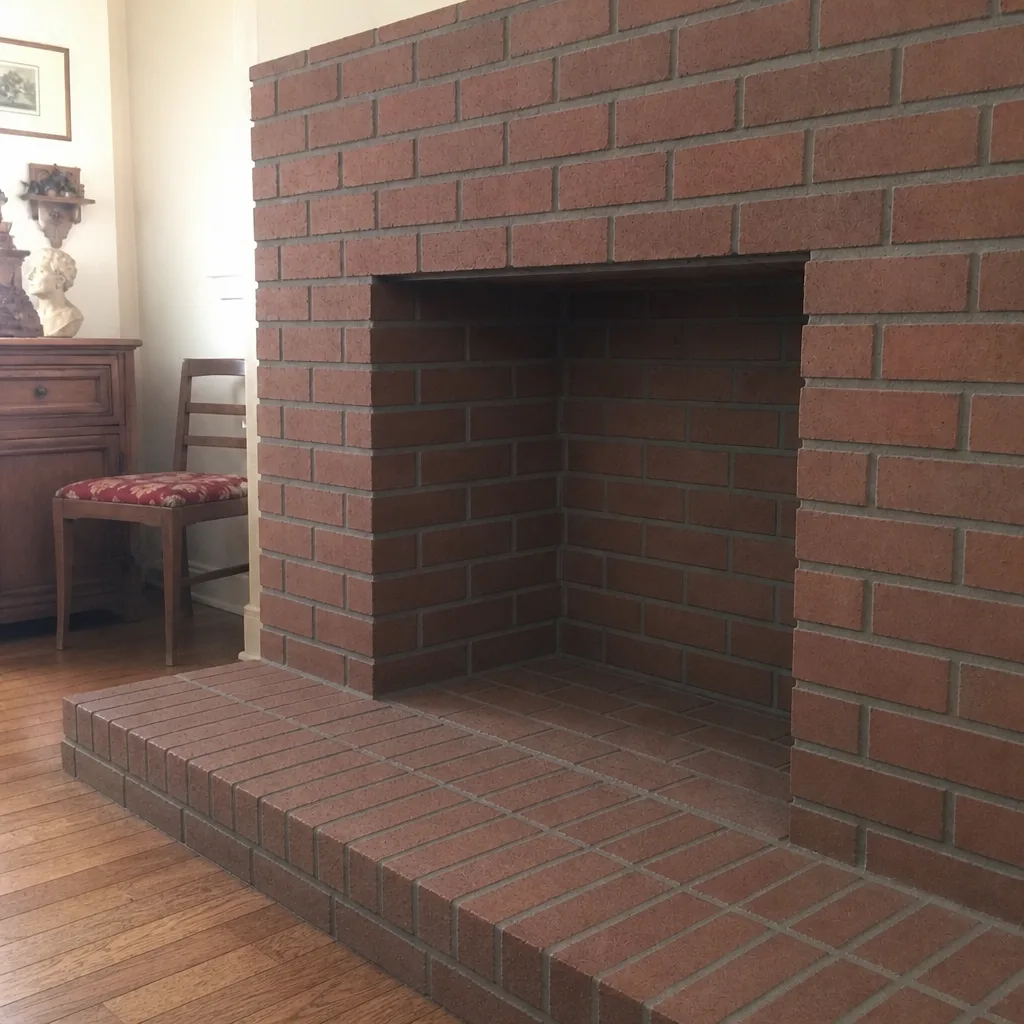
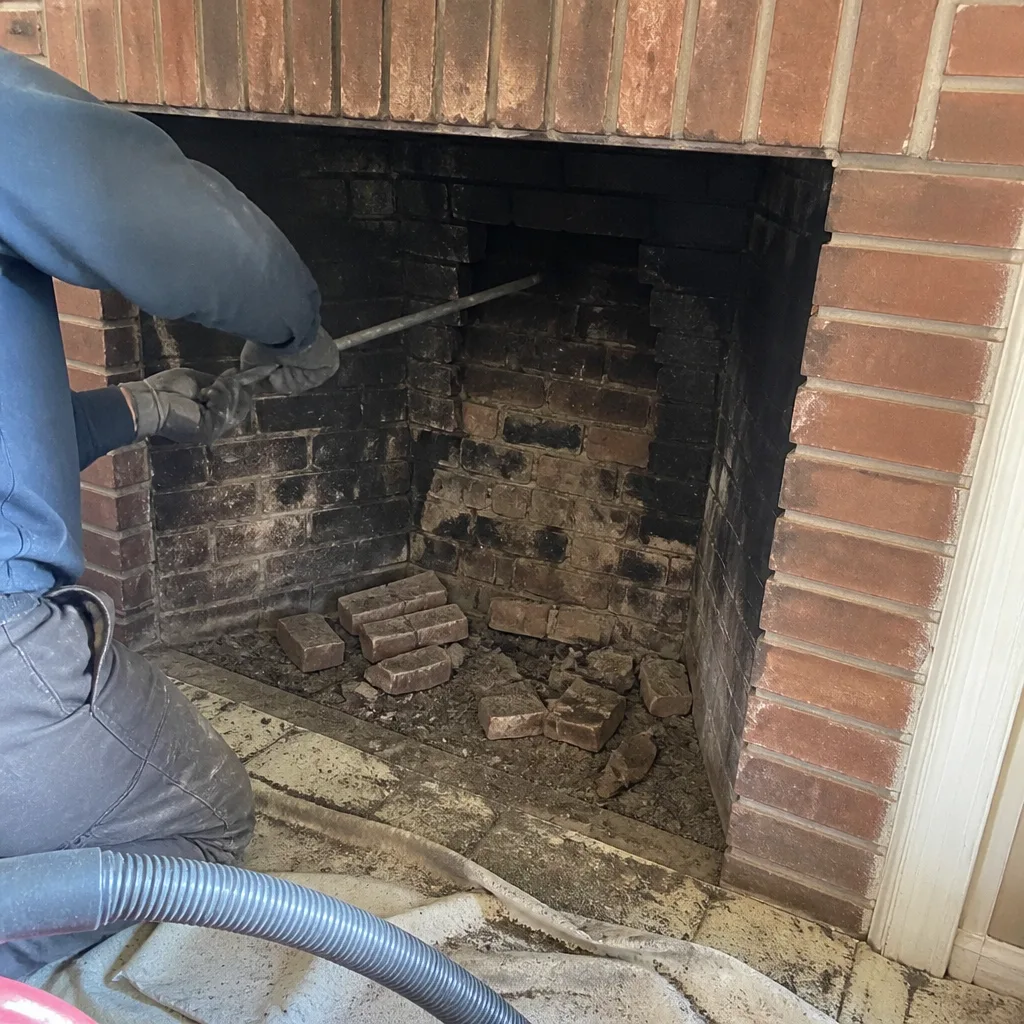
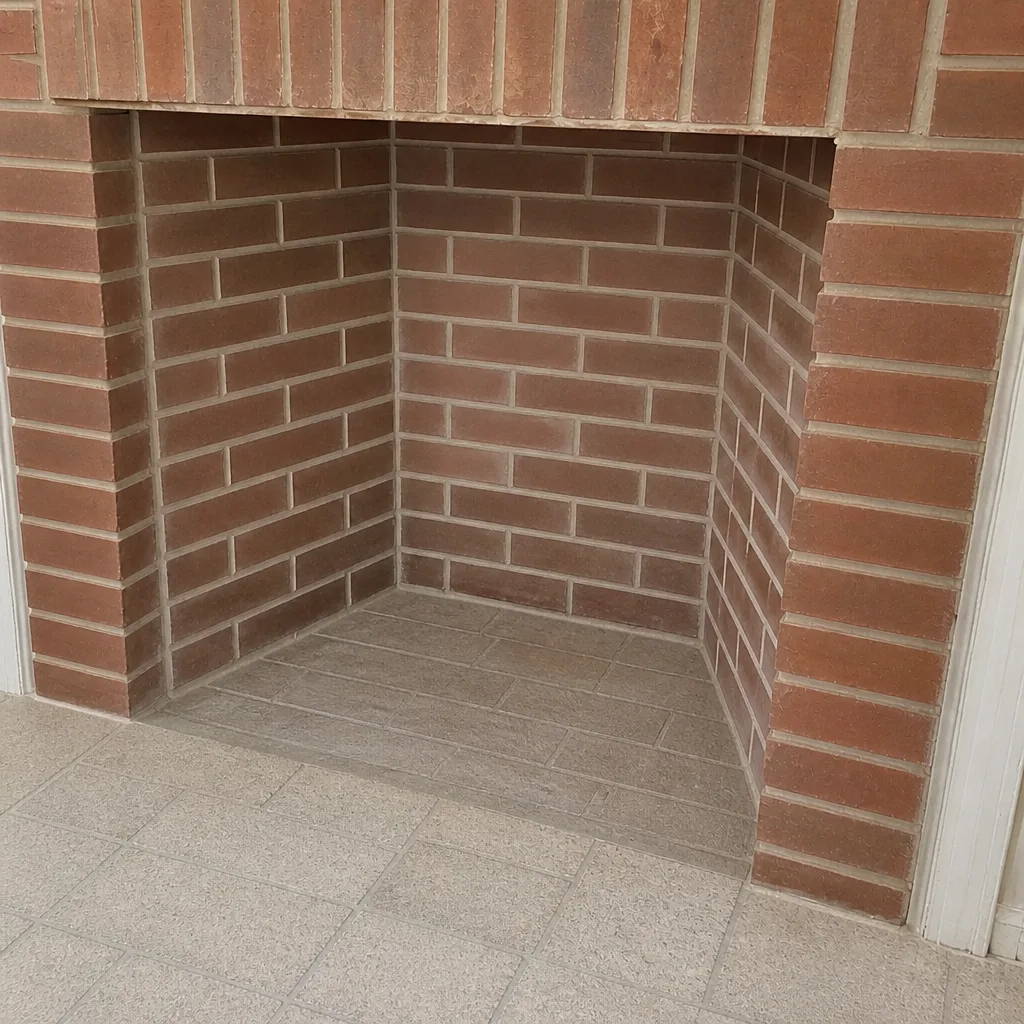
See the difference
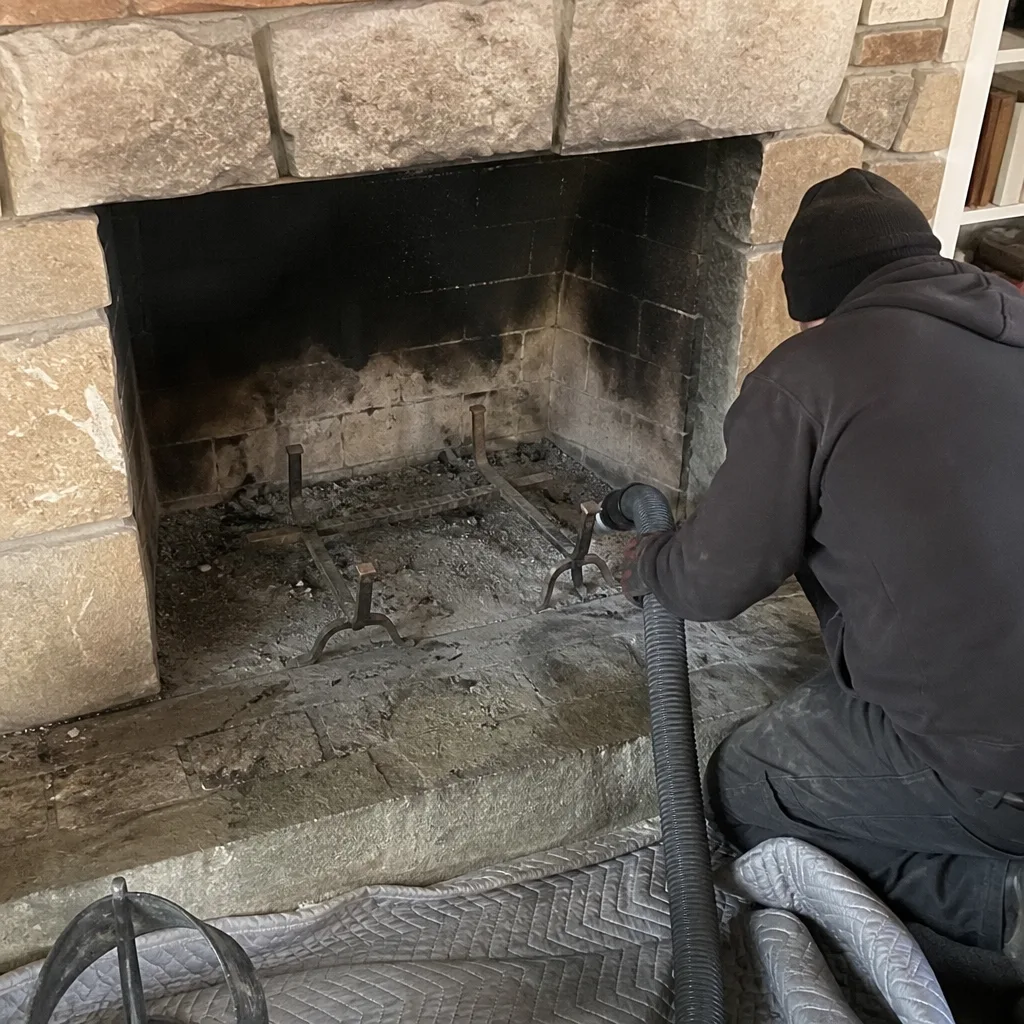 Before
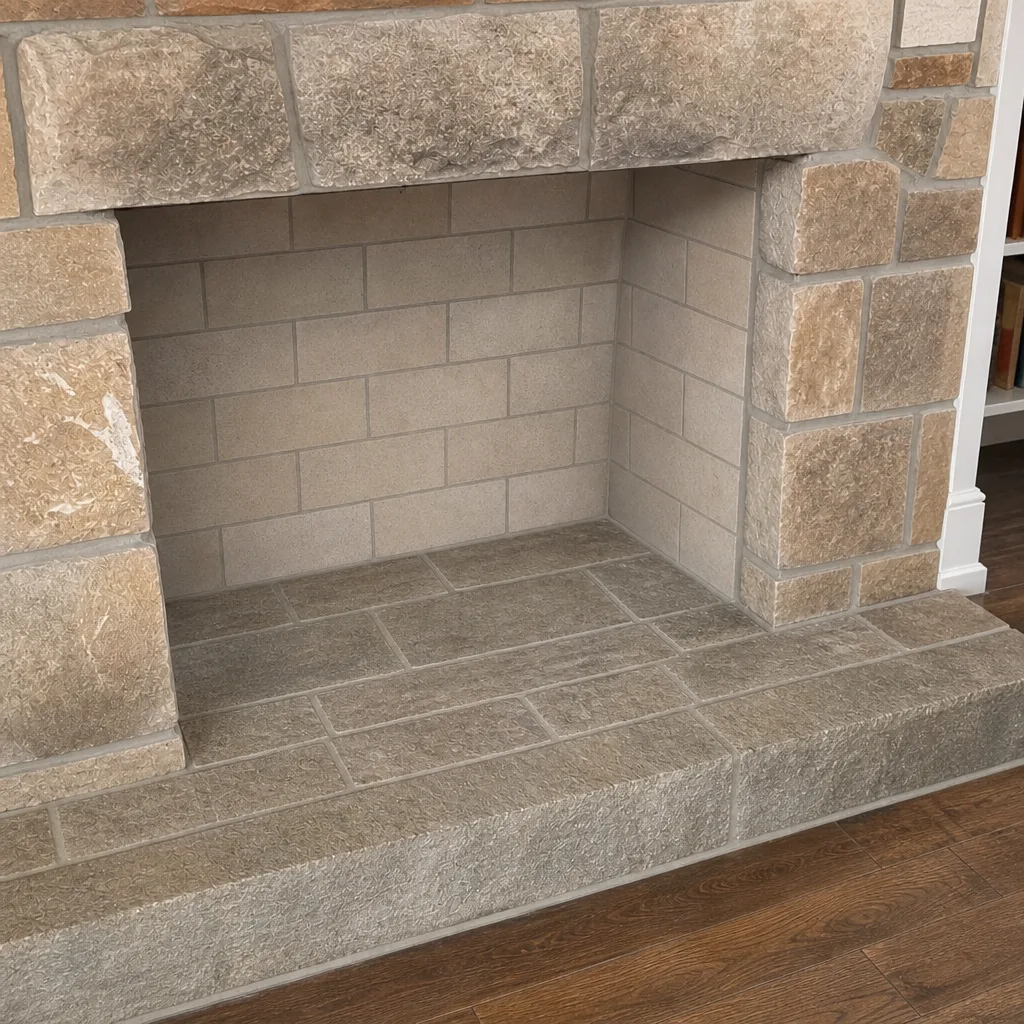 After
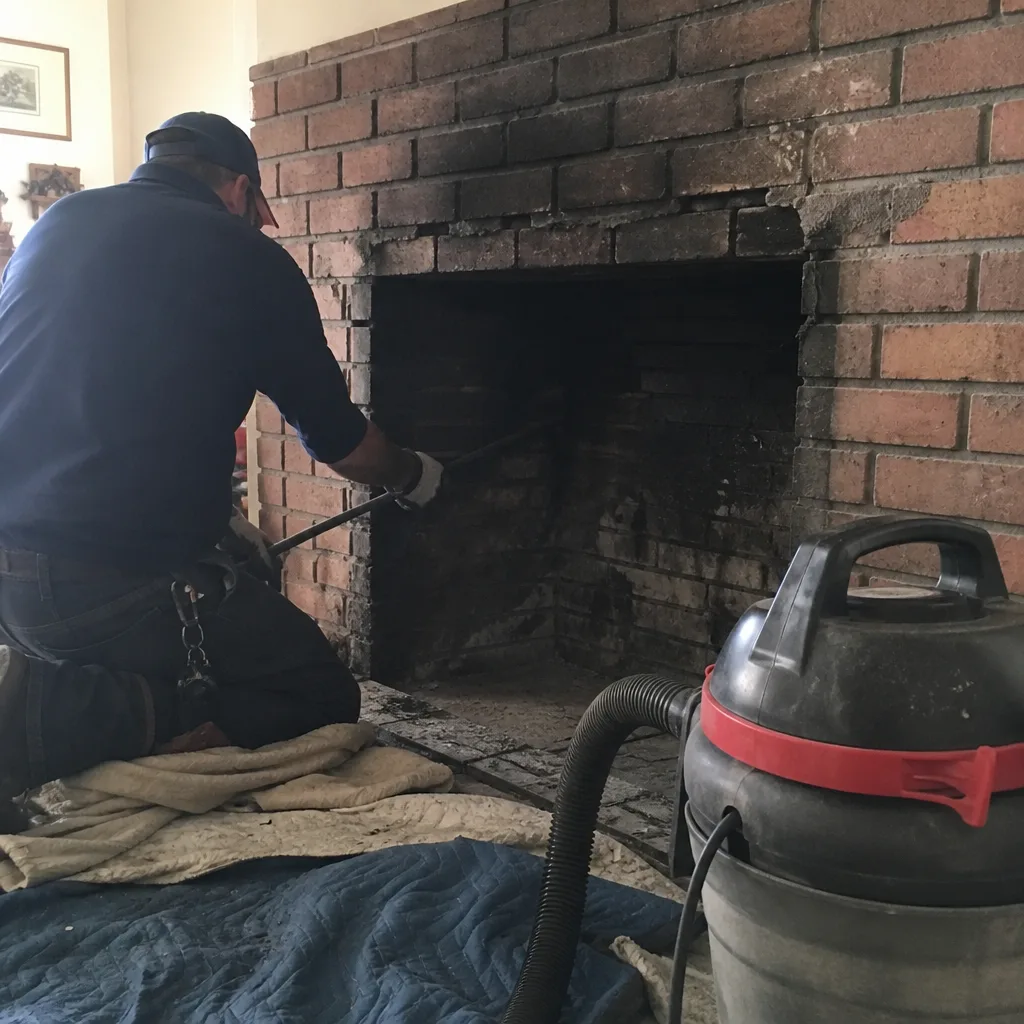 Before
 After
 Before
 After
When to Call a Professional
Some chimney work is purely preventive. Some of it is an active emergency. The line between the two is the reason this guide exists. Call a professional the moment you smell smoke in the room without a fire burning, see soot or water stains on the chimney chase, notice a CO alarm go off, or find the flue drafting poorly for no obvious reason. Call if you’ve had a chimney fire and haven’t yet had it inspected. Call before the first fire in a home you’ve just bought, and call before heating season if the chimney hasn’t been swept in a year. Chimney Sweep Tottenville offers free estimates in Tottenville. Call (855) 507-5849. We answer 24/7. Fast dispatch from 7am to 7pm, Sunday through Friday, and we’re closed on Saturday. A call outside dispatch hours is booked into the next opening.
Frequently Asked Questions
Once a year for a fireplace in regular use through heating season. Sweep more often if the fireplace is your primary heat source, if you burn unseasoned wood, or if a prior fire left a heavy creosote glaze that needs removing. Call (855) 507-5849 for an exact quote. Estimates are free.
Close the firebox doors or damper if you can do so safely, get everyone outside, and call 911. Stay out of the house and wait for the fire company. Follow up with a chimney inspection before you light the fireplace again. Don’t try to fight a chimney fire with water from inside the firebox.
Yes. Slow-burn and smoldering chimney fires can burn for many minutes and, in some cases, go completely unnoticed from inside the house. The damage shows up in the flue interior, which is why the inspection after any fire is not optional.
A blocked or poorly drafting flue can push combustion exhaust back into the house, and that exhaust contains carbon monoxide. Install and test a CO detector on every level of the home. Soot stains, a fire that won’t draw, or combustion smells when no fire is burning all point to a drafting problem worth inspecting before the next burn.
Often, yes. A chimney fire can crack the flue tiles and damage the joints, and in that case the flue needs relining with a proper product like HeatShield or a DuraFlex liner. A Level 2 inspection tells you which, and the liner is usually cheaper than the damage from a second fire. Call (855) 507-5849 for an exact quote. Estimates are free.
You can check the accessible parts: the cap and crown from the ground, the damper, the firebox, and the CO detectors. What you can’t check from the room is the inside of the flue, and that’s where creosote buildup and cracked tiles actually live. That’s what a professional inspection with a camera is for, and it’s a small job compared to the repair it prevents. Call (855) 507-5849 to book one.
The Bottom Line
Chimney emergencies in Tottenville are preventable, but only if the prevention happens before the fire is lit. The three things that matter most: an annual sweep, a tested CO detector on every level, and a professional inspection any time the chimney has had a fire, a repair, or a change of ownership. When something does go wrong, close the damper if it’s safe, get out, call 911, and give dispatch the specific details in the order above. One call to a chimney specialist before heating season is the plan that keeps the other plans from being necessary.
Chimney Sweep Tottenville can book your prevention visit and your post-emergency inspection. Call (855) 507-5849. We answer 24/7. Fast dispatch from 7am to 7pm, Sunday through Friday, and we’re closed on Saturday. A call outside dispatch hours is booked into the next opening.
Written by the team at Chimney Sweep Tottenville.