
Last updated November 25, 2026
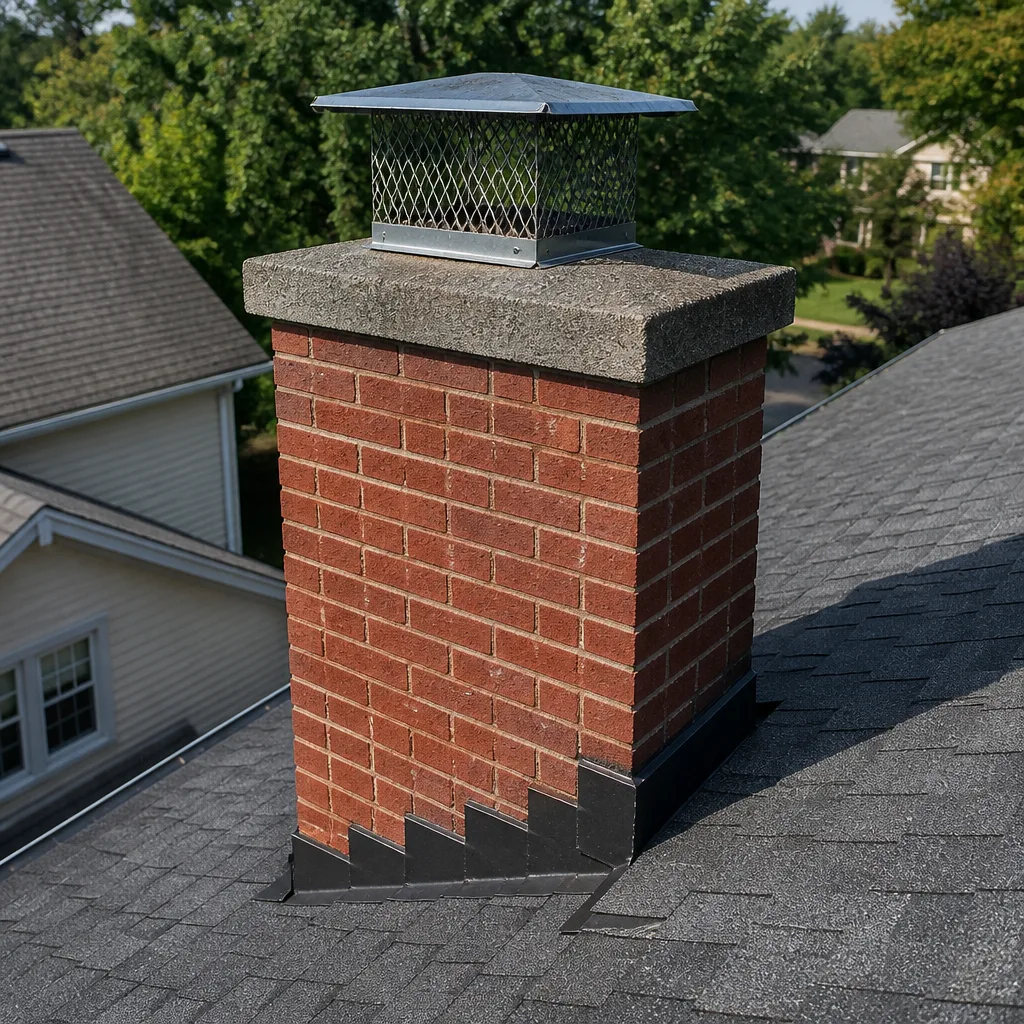 Sweep & inspection
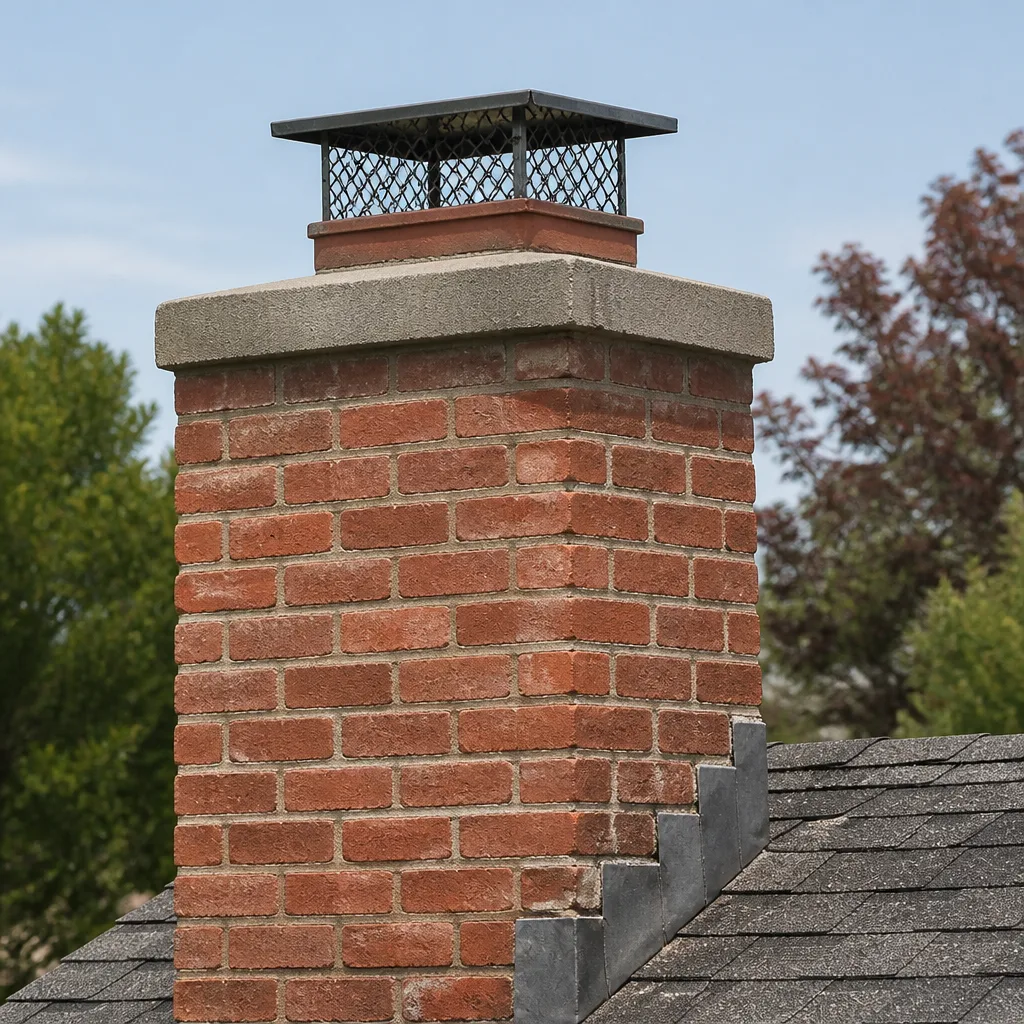 Caps & crowns
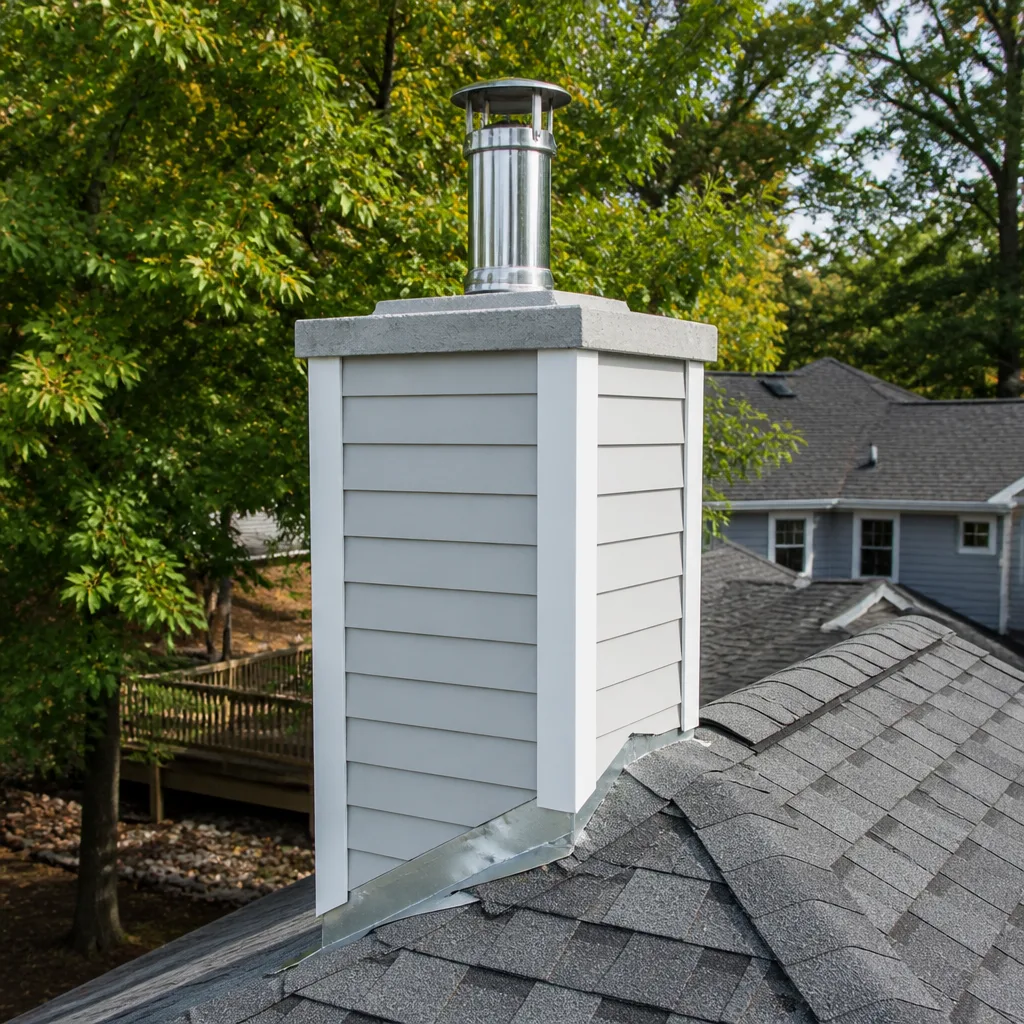 Flue relining
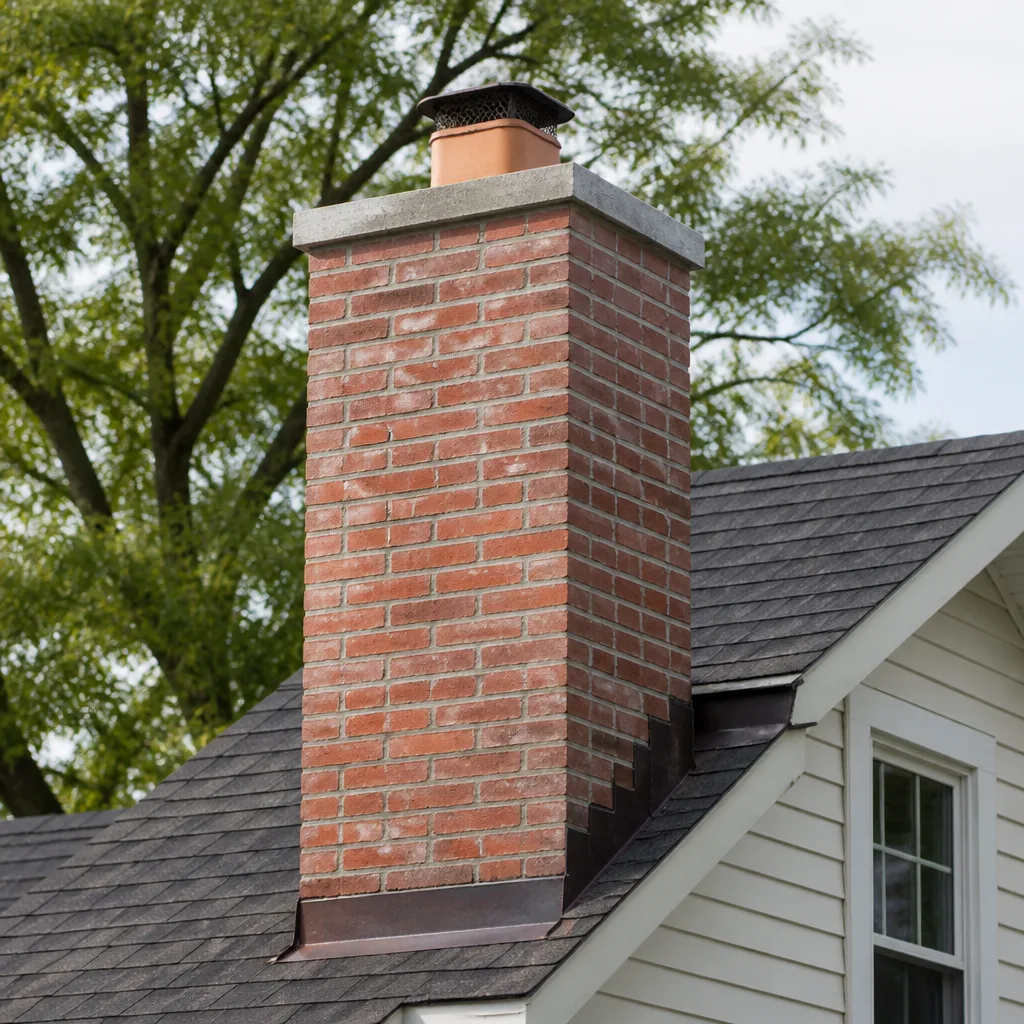 Masonry repair
 Gas fireplace service
Level 1 sweep and inspection to the NFPA 211 annual standard - flue, crown, cap, and flashing checked and photographed
Chimney sweep logs do not sweep chimneys. They loosen some creosote - which then falls where a brush and vacuum still have to collect it.
Chimney Sweep Maintenance Checklist for Tottenville Homeowners
The most expensive chimney repairs in Tottenville almost always trace back to something a homeowner could have spotted six months earlier if they knew what to look for – a hairline crown crack, a missing cap, efflorescence creeping up the chase. That’s the uncomfortable truth about chimney care: the failures that cost the most money are quiet and slow, and they announce themselves in plain sight long before they turn into a structural problem. Most homeowners simply never learned which signals matter. This guide is a working checklist, not a reminder to call somebody. It breaks the year into what you can check yourself and what needs a technician, flags the visual indicators that matter in Tottenville specifically, and shows you how to log what you see so patterns become visible across seasons rather than staying invisible until something fails.
Quick Answer
A chimney maintenance checklist for Tottenville homeowners should cover four things: an annual sweep and inspection before the heating season, quarterly visual checks of the cap, crown and flashing, a record of what you see so trends are visible over time, and immediate professional attention for any sign of spalling brick, efflorescence, loose flashing or a damaged cap. Homeowner checks catch the early warning signs; a technician’s camera inspection catches what you can’t see inside the flue. The checklist works best when the two are paired, which is exactly why we always recommend sweeping and inspection together. For a baseline on what the annual service itself involves, see our chimney sweep page.
Styles & brands we work with
- Sweep & inspection
- Caps & crowns
- Flue relining
- Masonry repair
- Gas fireplace service
Table of Contents
- Why a Tottenville Chimney Ages Differently
- What “Good Condition” Actually Looks Like
- The Month-by-Month Checklist
- Homeowner Checks vs. Technician Tasks
- Visual Indicators Specific to Tottenville Homes
- How to Log Chimney Condition Over Time
- Maintenance Tasks vs. Inspection Triggers
- What Happens During the Annual Sweep and Inspection
Why a Tottenville Chimney Ages Differently
Tottenville sits at the southern tip of Staten Island, and its housing stock and weather combine in ways that put specific stress on masonry chimneys. The neighborhood has a deep inventory of older homes – Victorians, colonials, and early-20th-century builds along streets like Amboy Road and around Conference House Park – many with original brick chimneys that have been through a century of freeze-thaw cycles. The climate here is the real driver. Winters bring repeated freezing and thawing, and every one of those cycles works moisture in and out of the masonry. Summer humidity gives that moisture a chance to sit and migrate. A brick that stays damp through a wet spring and then freezes in December is a brick that’s already on its way to spalling.
The prevailing weather also hits some faces of a chimney harder than others. South- and west-facing chimney walls take the most sun and the most driving rain, and they tend to show the earliest signs of deterioration. If your chimney rises on the south side of the house, that wall is your first place to look every season. Tottenville’s tree canopy is another factor – mature oaks and maples shed debris that collects on caps and crowns, holding moisture against the masonry and blocking the flue outlet. A cap that would last years in an open lot can clog and corrode faster under heavy tree cover.
Understanding this local pattern is the whole point of a Tottenville-specific checklist. A generic guide tells you to “inspect annually.” A useful one tells you which face to look at first, what a normal amount of wear looks like on a hundred-year-old brick chimney, and which changes are the ones that signal a problem worth a call. That’s the difference between a checklist you actually use and one you skim and forget.
What “Good Condition” Actually Looks Like
Most homeowners have no benchmark for a healthy chimney, so every crack looks alarming and every stain looks normal. Here’s what good condition actually looks like, so you have something real to measure against. This is the baseline every check in this guide compares to.
- Brick faces are sound and uniform in color. No chalky white powder, no flaking faces, no bricks that crumble when you press a fingernail into a corner. The color should be roughly consistent from bottom to top, not darker and greener toward the base.
- Mortar joints are full and slightly recessed. The mortar should sit just inside the brick face, not proud of it, not washed out to a depth where you could fit a fingertip. Joints should be firm, not sandy or soft.
- The crown is intact and slopes away from the flue. The concrete or masonry cap at the top should be one continuous surface with a visible slope, no cracks wide enough to catch a fingernail, and no separation where it meets the flue tile.
- The cap is attached, level and clear. A chimney cap sits level over the flue, its mesh is intact, and it isn’t packed with leaves or debris. The fasteners holding it are tight.
- Flashing is tight to the roof and the chimney. The metal that seals the chimney to the roof should lie flat against both, with no lifted edges, no gaps, and no tar or sealant smeared over a failing joint as a patch.
- No staining on interior ceilings or the chimney breast. A dry chimney breast and clean ceiling around it mean water isn’t getting in.
If your chimney matches most of this list, you’re in good shape and the checklist below is about keeping it that way. If two or three items are off, that’s your priority order for the season. When the whole list is failing, it’s time for a professional inspection rather than a homeowner assessment. Benchmark first, then decide – that’s how you avoid both panic and neglect.
The Month-by-Month Checklist
Chimney care follows the seasons in Tottenville, and splitting the year into what you can see and do yourself versus what needs a technician keeps the work manageable. Here’s the breakdown we walk homeowners through, organized so the heavy lifting happens before you need the fireplace, not after.
Homeowner-Visible Checks (You Can Do These)
- Early spring – post-season exterior walkaround. After the last fire of the season, walk the outside of the chimney from ground level with binoculars. Look at the crown, the cap, the flashing and the upper brick courses. Note any new staining, spalling or loose material.
- Late spring – roof-level look if you can safely do it. From a stable vantage, check the cap for debris and the crown for new cracks. Never climb onto a steep or wet roof; if you can’t see the crown safely, leave it for the technician.
- Summer – interior moisture check. Look at the chimney breast and the ceiling around it on the top floor. Any new water staining, musty smell, or dampness points to a flashing or crown problem that summer rain will find.
- Early fall – pre-season ready check. Confirm the damper opens and closes fully, the firebox is clean, and the cap is still attached and clear. This is also when you book the annual sweep and inspection if you haven’t already.
- Late fall – first-fire check. Before the first fire of the year, confirm the flue is clear, the damper works, and you have no reason to suspect a blockage. If anything feels off, don’t light it – call for an inspection.
- Winter – ongoing observation. Note any smoke rolling back into the room, weak draft, or unusual smells. These are draft symptoms, not maintenance items, and they mean call.
Technician Tasks (Book These)
- Annual sweep and inspection – ideally in late summer or early fall, before burning season begins in earnest.
- Camera inspection of the flue – to see the liner condition you can’t see from outside.
- Crown repair or repointing when the visual checks find cracks or washed-out joints.
- Cap replacement when the mesh is torn or the cap is loose.
- Flue resurfacing or relining when the inspection reveals liner damage.
Notice the pattern: the homeowner’s job is observation and timing, and the technician’s job is the work that requires tools, height and a camera. That division is the backbone of the whole checklist. Book the annual sweep and inspection through our Chimney Sweep Tottenville team and the timing takes care of itself.
Homeowner Checks vs. Technician Tasks
The single most useful distinction in chimney maintenance is between a task you can do and a trigger that means call someone now. Confusing the two is how homeowners end up either doing dangerous work themselves or waiting on a problem that’s already serious. Here’s the clean split.
Homeowner-doable tasks are visual, ground-level, and non-invasive. You’re looking, noting, and timing – not climbing, not reaching into the flue, not applying sealant to a problem you don’t fully understand. Binoculars from the yard, a flashlight on the firebox, and a notebook are your tools.
- Walking the exterior and noting staining, spalling or missing mortar.
- Checking the cap from a safe vantage for debris and damage.
- Opening and closing the damper to confirm it moves freely.
- Looking for water staining on the chimney breast and ceiling.
- Booking the annual sweep and inspection on schedule.
Technician tasks require training, height safety and tools – and some carry real risk. Sweeping the flue, camera inspection, crown and flashing work, repointing, and anything involving the liner all belong here. Two of these deserve specific caution: the inside of a flue can hold creosote and deteriorated liner material, and roof and crown work involves height and, on older homes, weakened masonry. We don’t recommend homeowners climb onto a roof to assess or repair a chimney, and we never suggest reaching into a flue to clear a blockage – that’s a job for a trained professional with the right equipment.
The line is simple in practice: if your check requires a ladder, a tool, or a look inside the flue, it’s a technician task. If it requires eyes and a notebook, it’s yours. Keeping that line clear protects you and keeps the checklist honest about what it can actually accomplish.
Visual Indicators Specific to Tottenville Homes
Tottenville’s climate writes a story on your chimney, and three visual indicators tell most of it. Learning to read them is the difference between catching a problem in its cheap stage and finding it after the damage is done. Our technicians have up to 10 years of experience reading these signs on Staten Island masonry, and they show up in predictable ways.
Efflorescence Patterns
Efflorescence is the chalky white powder that appears on brick when moisture moves through the masonry and evaporates, leaving mineral salts behind. A light dusting on a new chimney can be harmless. But efflorescence that keeps returning after you brush it off, or that creeps upward and darkens toward the base, is telling you water is getting in and staying in. In Tottenville’s freeze-thaw climate, that trapped moisture is the setup for spalling. Note where the efflorescence is heaviest – it usually maps to where water is entering, often near the crown or flashing.
Spalling on South-Facing Chimneys
Spalling is what happens when trapped moisture freezes and pushes the face off a brick, leaving a rough, crumbled surface. It shows up first on the walls that take the most sun and driving rain – typically south- and west-facing chimney faces. If you run your hand over the brick and it feels gritty or you can crumble a corner, that face is spalling. On older Tottenville homes this is often the earliest structural warning, and it’s the one most often mistaken for “just old brick.” It’s not cosmetic; spalled brick is failing brick.
Cap Corrosion and Debris
The chimney cap takes the worst of the weather and, under Tottenville’s mature tree canopy, the most debris. Look for rust or corrosion on metal caps, torn mesh, and leaf litter packed against the flue. A clogged or corroded cap blocks the flue outlet and holds moisture against the crown. If your cap is more rust than metal, it’s time for replacement – a straightforward job that protects everything below it. Our chimney cap & crown service covers exactly this, and doing it early is one of the cheapest forms of prevention there is.
Read these three indicators together and you have a running diagnostic. Efflorescence tells you water is entering. Spalling tells you it’s already doing damage. Cap condition tells you where much of that water is getting in. That’s a working framework, not a vague instruction to “watch for problems.”
How to Log Chimney Condition Over Time
A single inspection is a photograph. A log is a film. The real value of a maintenance checklist comes from tracking what you see across seasons, because a sweep can spot a trend – brick deteriorating slowly, a crack widening year over year, staining moving upward – that a one-time look would miss. Here’s how to keep a log that actually helps.
- Start with a baseline. Have a technician do a full sweep and camera inspection, and get the findings in writing with photos. That documented starting point becomes the reference everything else is measured against.
- Log your own checks with dates. A simple notebook or phone note works. Record the date, what you looked at, and what you saw – even “no change” is useful data.
- Photograph the same angles each time. Pick a few fixed spots – the crown from a set vantage, the south face, the flashing – and shoot them the same way each season. Side-by-side photos make slow changes obvious.
- Note weather context. Jot down whether it’s been a wet season, a hard freeze, a windy stretch. This helps a technician interpret what they see later.
- Hand the log to your technician each visit. A sweep who can see your notes and photos can spot the trend, not just the current state, and advise accordingly.
The payoff comes when a sweep reviews your last several entries and can say “this crack has widened a millimeter a year for three years, it’s time to address it” instead of “it’s cracked right now, hard to say how long.” That’s trend-based advice, and it’s far more useful than a point-in-time snapshot. Bring your log to your annual chimney sweep and it becomes a diagnostic tool, not just a chore list.
Maintenance Tasks vs. Inspection Triggers
Maintenance tasks are routine and scheduled. Inspection triggers are the things that mean stop and call now, because something has changed that a homeowner can’t safely diagnose. Keep these two lists separate in your head and you’ll act at the right time.
Routine Maintenance
- Annual sweep and inspection before burning season.
- Seasonal exterior visual checks and log entries.
- Debris clearing from the cap and crown area when safe to observe.
- Damper operation checks.
Inspection Triggers (Call Now)
- Spalling or crumbling brick anywhere on the chimney – structural warning.
- Efflorescence that keeps returning after brushing – active moisture intrusion.
- A cap that’s loose, missing, or corroded through – the flue is exposed.
- Visible crown cracks or separation from the flue tile.
- Water staining on the chimney breast or ceiling – flashing or crown failure.
- Smoke rolling back into the room or weak draft – possible blockage, liner or draft issue.
- Any smell of smoke or creosote in the house when the fireplace isn’t in use.
- White or gray staining inside the firebox that wasn’t there last season.
These triggers don’t mean panic; they mean schedule an inspection and don’t burn until it’s done. Most of them are caught early enough to be inexpensive to fix. The ones that become costly are the ones left through another freeze-thaw winter. If any item on the trigger list describes your chimney, call for an inspection before you light the next fire. Structural chimney repair and flue relining are exactly the kind of work our chimney repair team handles, including resurfacing with HeatShield and relining with DuraFlex when the flue needs it.
What Happens During the Annual Sweep and Inspection
Knowing what the annual visit actually involves helps you plan and helps you trust what you’re told. Here’s the sequence we follow on a typical Tottenville home, so you know what to expect.
- Exterior assessment. We look at the cap, crown, flashing and brick faces before going inside, using the same indicators in this guide.
- Sweep. We clean the flue and firebox, removing creosote and debris, with floor protection in place. Creosote is what fuels chimney fires, so removing it is the whole point of the sweep.
- Camera inspection. We run a camera down the flue to see the liner condition you can’t see from outside. This is where most problems get caught before they become structural, and it’s why we pair the two every time.
- Written findings with photos. You get a report you can keep and compare against next year’s log.
- Recommendations, with the evidence to back them. Nothing gets recommended without camera evidence you can see for yourself.
When the inspection finds damage, the fix might be resurfacing the flue with HeatShield, relining with DuraFlex, or addressing the crown and cap – all work we handle as a chimney specialist. When the finding is a fireplace or firebox issue, that moves to our fireplace repair service. Because we work only on chimneys and fireplaces, every recommendation comes from someone whose entire skill set is built around flue and fireplace systems, not a generalist doing chimney work on the side.
Common Mistakes to Avoid
- Burning before the first sweep of the season. Lighting the first fire of the year before an inspection means you’re trusting last season’s unknown condition. Sweep and inspect first, then burn with confidence.
- Painting or sealing over spalling brick. A coat of paint hides the symptom and traps the moisture that’s causing the spalling. It looks fixed for a season and fails worse later.
- Treating efflorescence as cosmetic. Brushing it off without finding the water source means it returns every year, with more masonry damage each time. The powder is a sign, not the problem.
- Ignoring a loose or missing cap. An open flue lets in rain, debris and animals, and holds moisture against the crown. It’s one of the cheapest fixes with one of the highest returns.
- Climbing onto a steep or wet roof to “just check.” Height is the risk, and older Tottenville masonry may not be as stable as it looks. Use binoculars from the ground and leave roof-level work to a technician.
- Skipping the camera inspection because the sweep is booked. A clean flue can still hide a damaged liner. The inspection is what catches the problems the brush can’t.
- Not keeping any record. Without a log, each inspection is an isolated snapshot and slow trends stay invisible until they’re expensive.
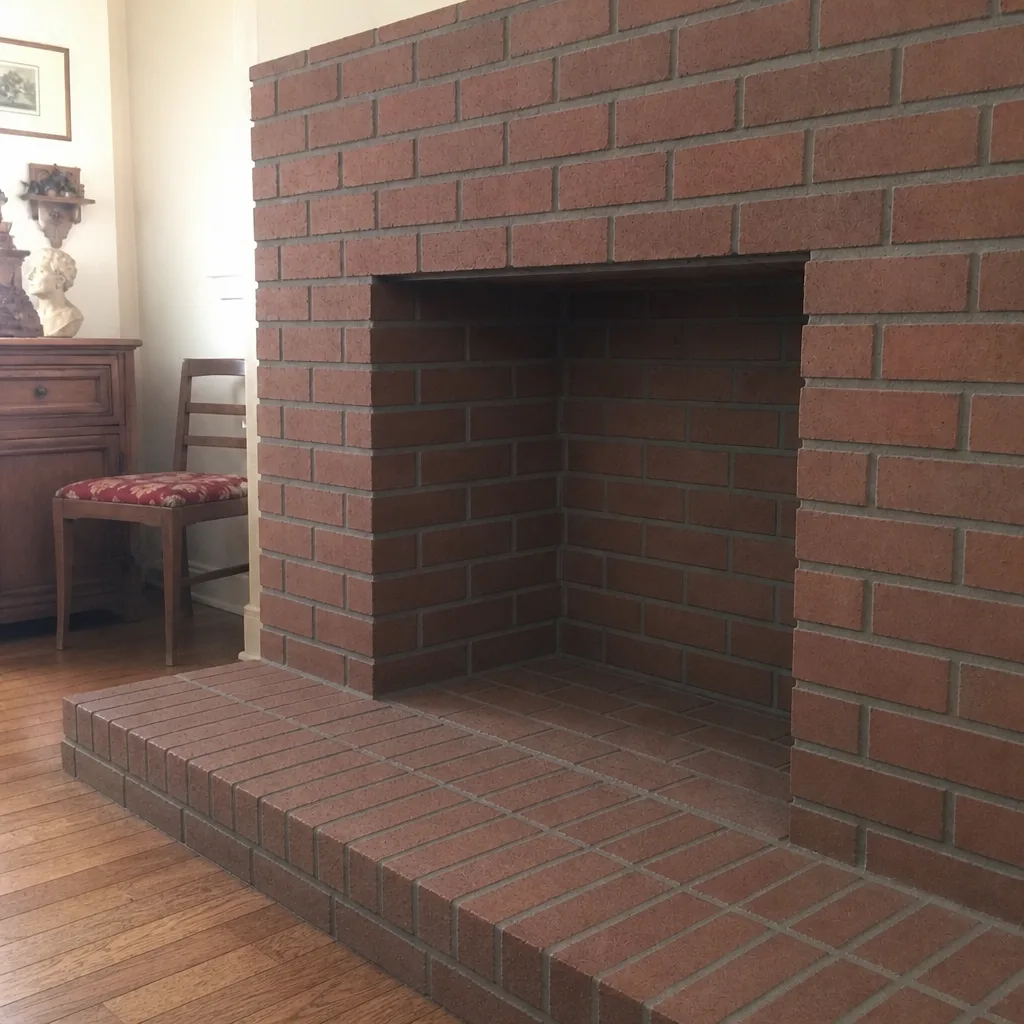
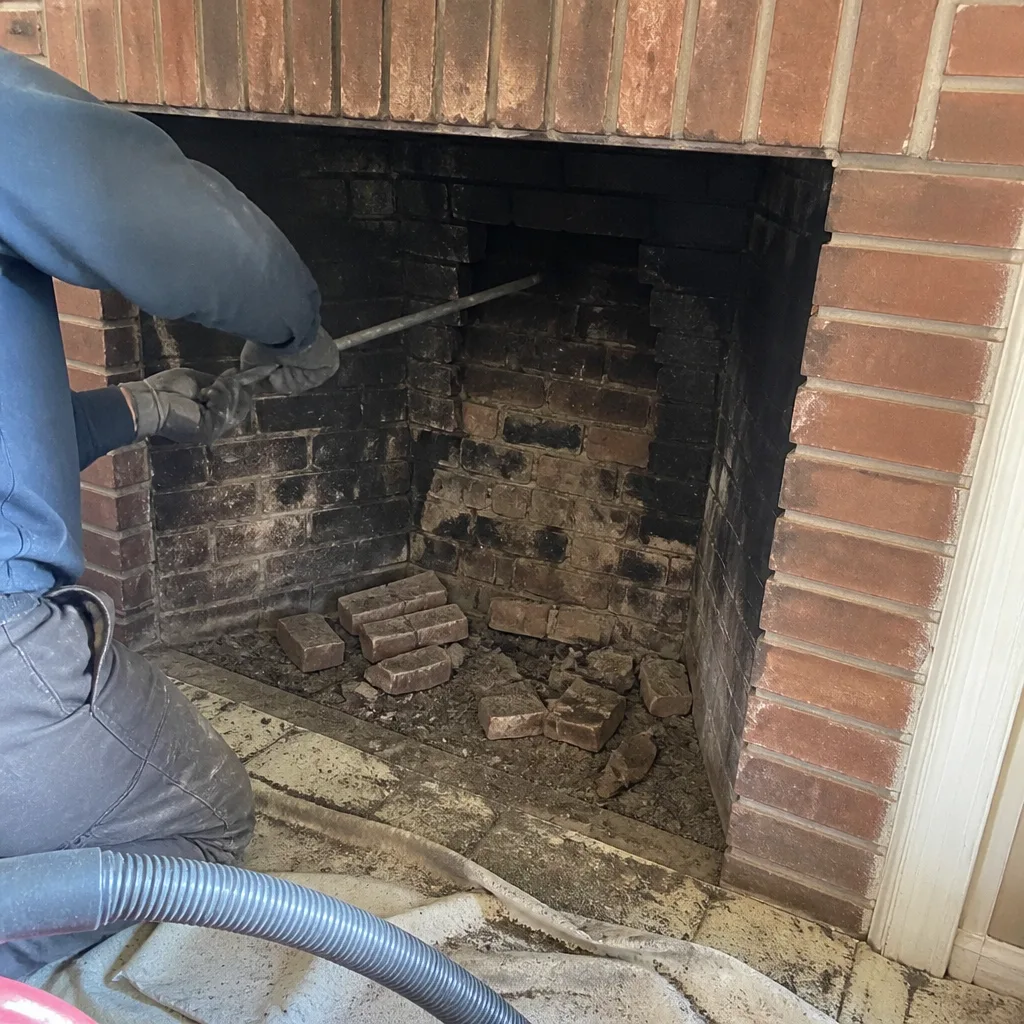
See the difference
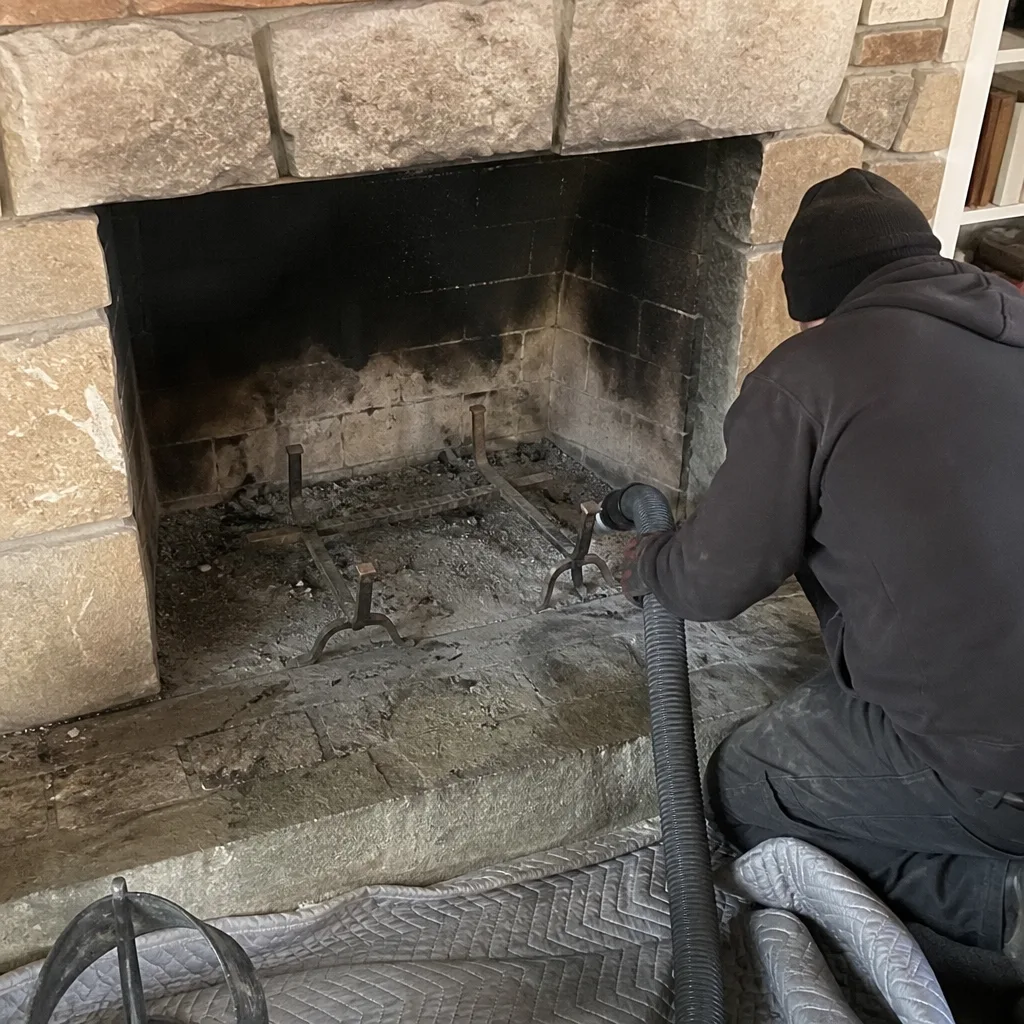 Before
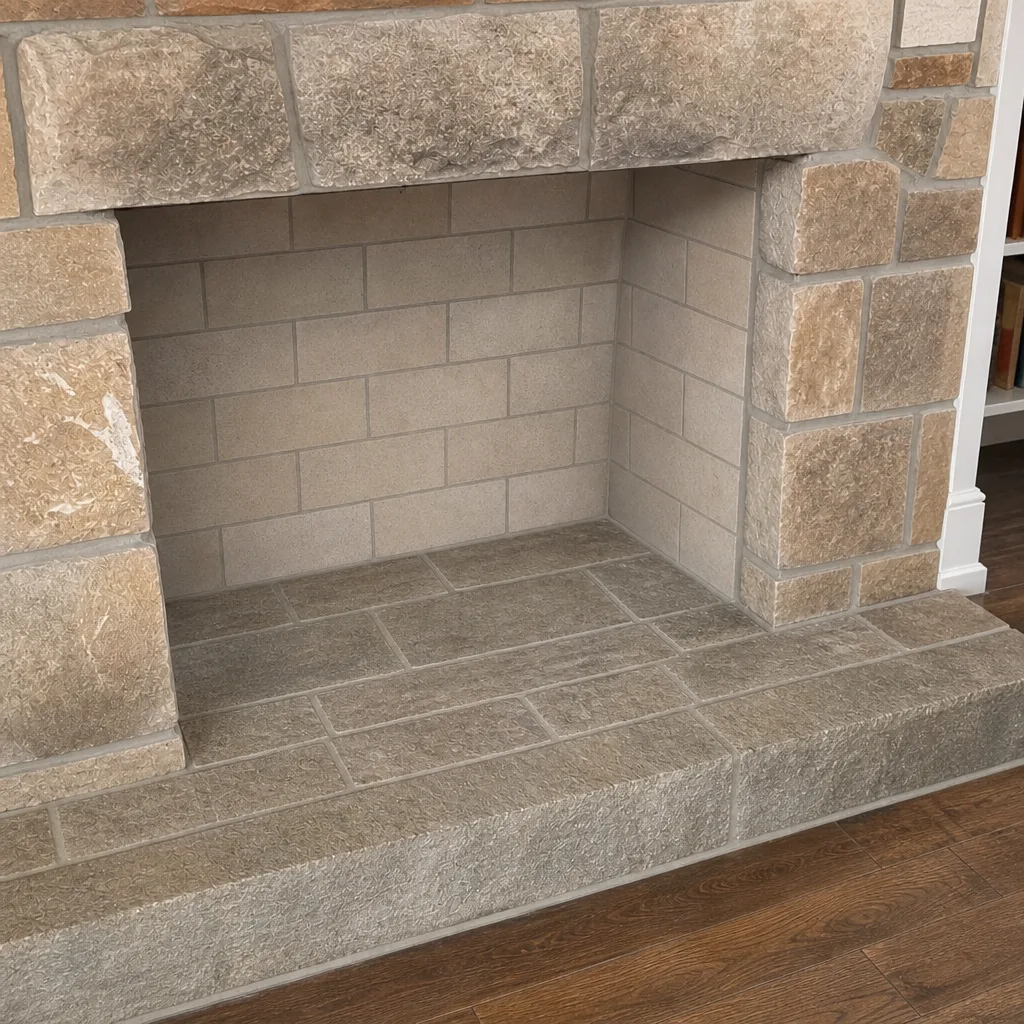 After
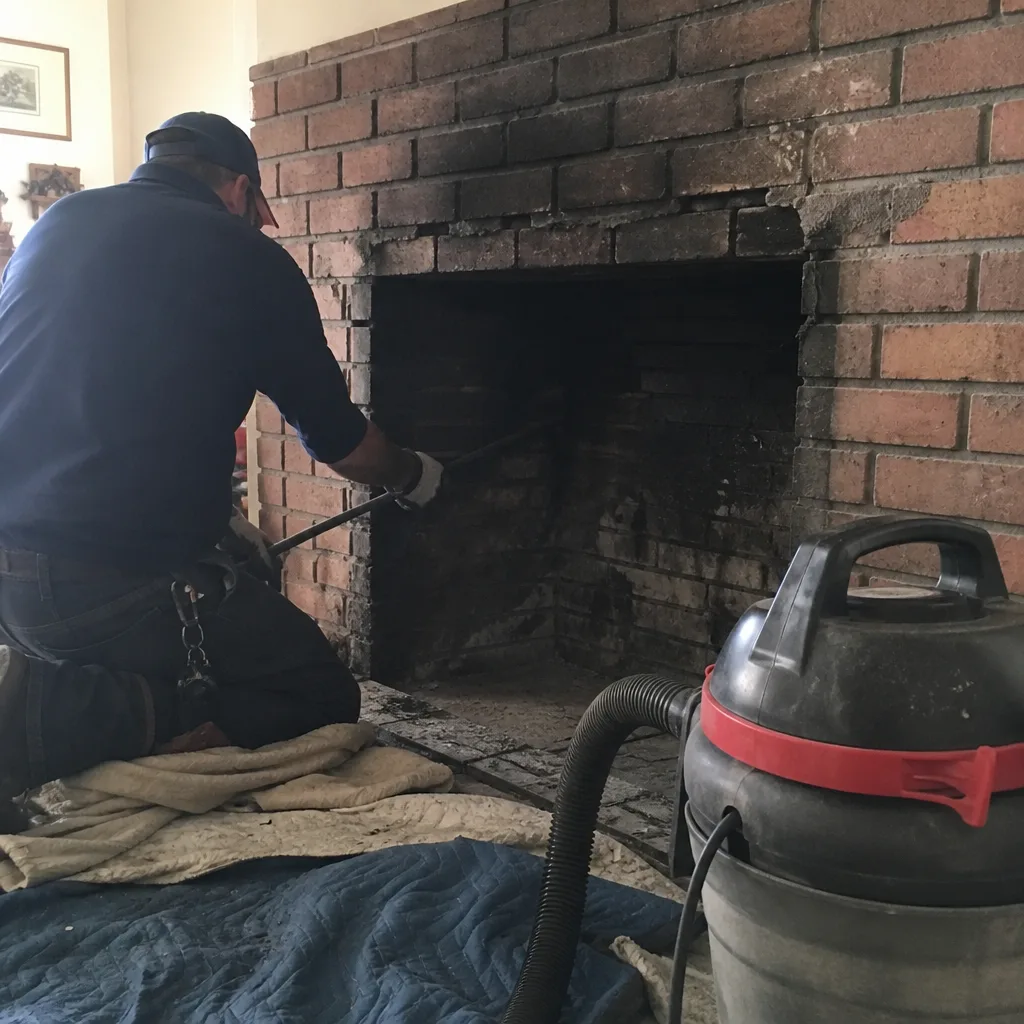 Before
 After
 Before
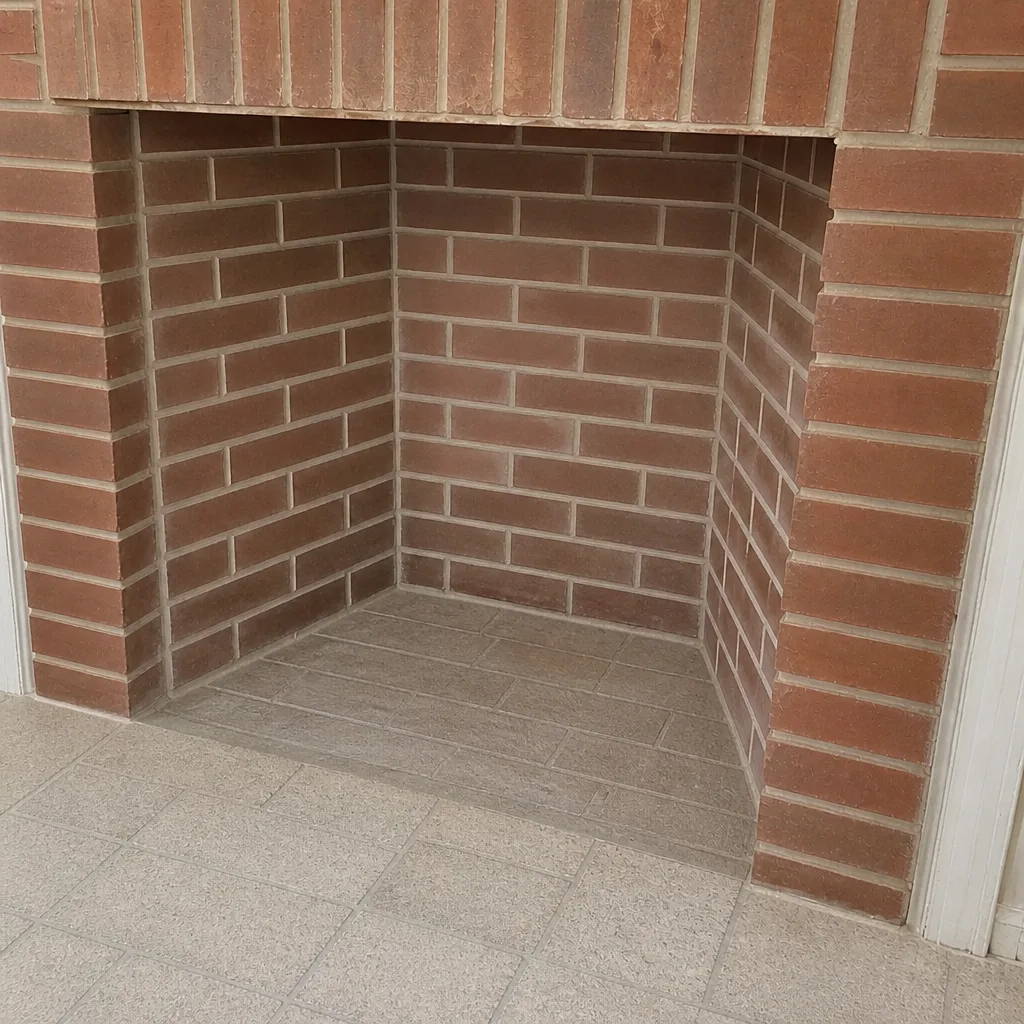 After
When to Call a Professional
Call a professional the moment any inspection trigger from this guide appears – spalling brick, returning efflorescence, a loose or missing cap, crown cracks, water staining, weak draft, or a firebox that looks different than last season. Call before the first fire of the year if you haven’t had an inspection, and call immediately if you smell smoke or creosote in the house when nothing’s burning. Anything involving the flue interior, the liner, roof-level masonry or heights is technician work, full stop. Chimney Sweep Tottenville offers free estimates in Tottenville. Call (855) 507-5849. We answer 24/7. Fast dispatch from 7am to 7pm, Sunday through Friday.
Frequently Asked Questions
Once a year is the standard for a wood-burning chimney, and the annual visit should always pair sweeping with an inspection. If you burn heavily or notice draft problems, a mid-season check may be worth it. In Tottenville’s climate, scheduling the annual sweep in late summer or early fall means you’re clean and inspected before the first cold snap.
The earliest signs are chalky white efflorescence on the brick, a face that crumbles to the touch, a cap that’s rusted or loose, and any water staining on the chimney breast. Any of these means it’s time for an inspection, not a wait-and-see. When you spot a trigger, call for an inspection before the next fire.
You can do the visual checks, keep the log, and confirm the damper works, but the sweep, camera inspection, and any masonry work belong to a technician. Reaching into a flue or climbing onto a roof carries real risk, especially on older masonry. Keep your checks to ground-level observation and book the rest.
Good condition means sound, uniform brick with no powder or flaking, full mortar joints that aren’t washed out, an intact crown that slopes away from the flue, a level well-attached cap with clear mesh, tight flashing, and no staining inside the house. Compare your chimney against that list each season.
That’s efflorescence, and it means moisture is moving through the masonry and leaving mineral salts behind. A one-time dusting can be harmless, but recurring or spreading efflorescence points to active water intrusion, often from a crown or flashing problem. Find the water source and it stops returning.
Annually, alongside the sweep, and any time an inspection trigger appears. The annual camera inspection catches liner problems a brush can’t, and pairing the two every year means nothing gets missed. Book the inspection and the sweep together so the schedule stays simple.
Creosote builds up in the flue, which raises the risk of a chimney fire, and small crown, cap or flashing problems develop into water intrusion that damages masonry. Skipping a year or two rarely causes instant failure, but the problems compound. The cost of catching them later is what makes the checklist worth keeping.
The Bottom Line
A chimney maintenance checklist earns its keep by giving you a benchmark and a habit: know what good condition looks like, check the right spots each season, log what you see, and call a specialist the moment a trigger appears. The work that protects a Tottenville chimney is mostly about timing – an annual sweep and camera inspection before burning season, a seasonal visual walkaround, and a written record that turns each visit into trend-based advice rather than a snapshot. The failures that cost the most money show themselves first as a hairline crack, a dusting of efflorescence, a rusted cap. Catch them there and the rest is routine. From annual sweep to full structural repair, one call gets you a chimney specialist who works only on flues and fireplaces, installs professional-grade materials from Copperfield, Gelco and HeatShield, and documents every inspection so you have proof of condition to compare against next year.
Call (855) 507-5849 for a free estimate. We answer 24/7. Fast dispatch from 7am to 7pm, Sunday through Friday.
Written by the team at Chimney Sweep Tottenville.