
Last updated November 25, 2026
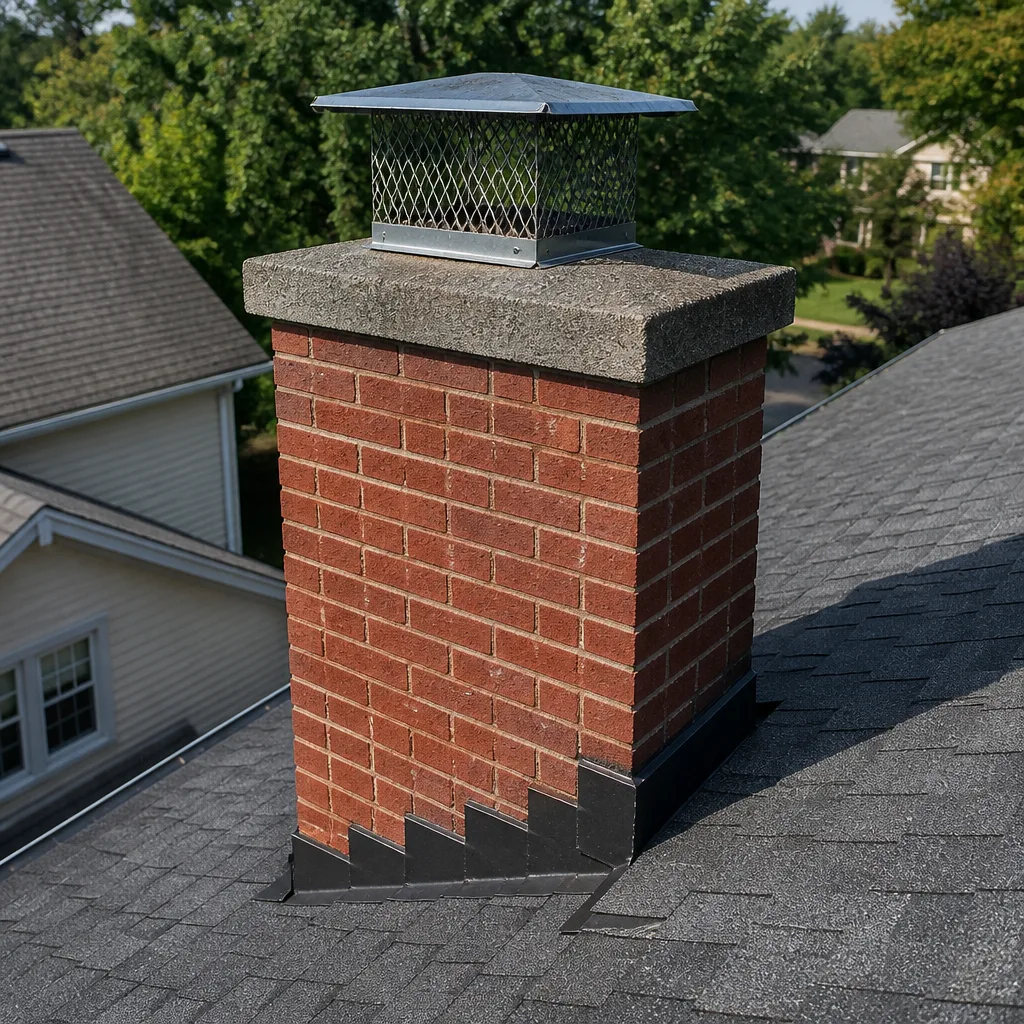 Sweep & inspection
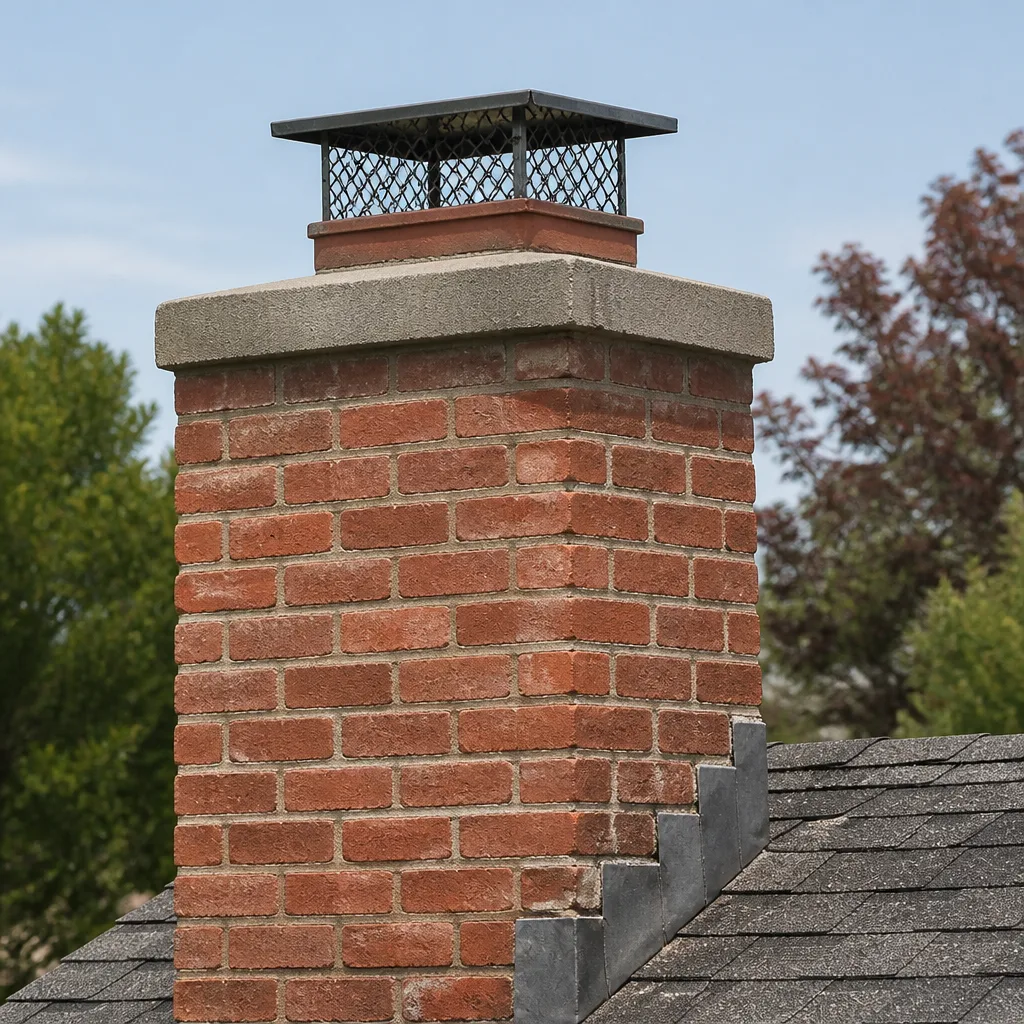 Caps & crowns
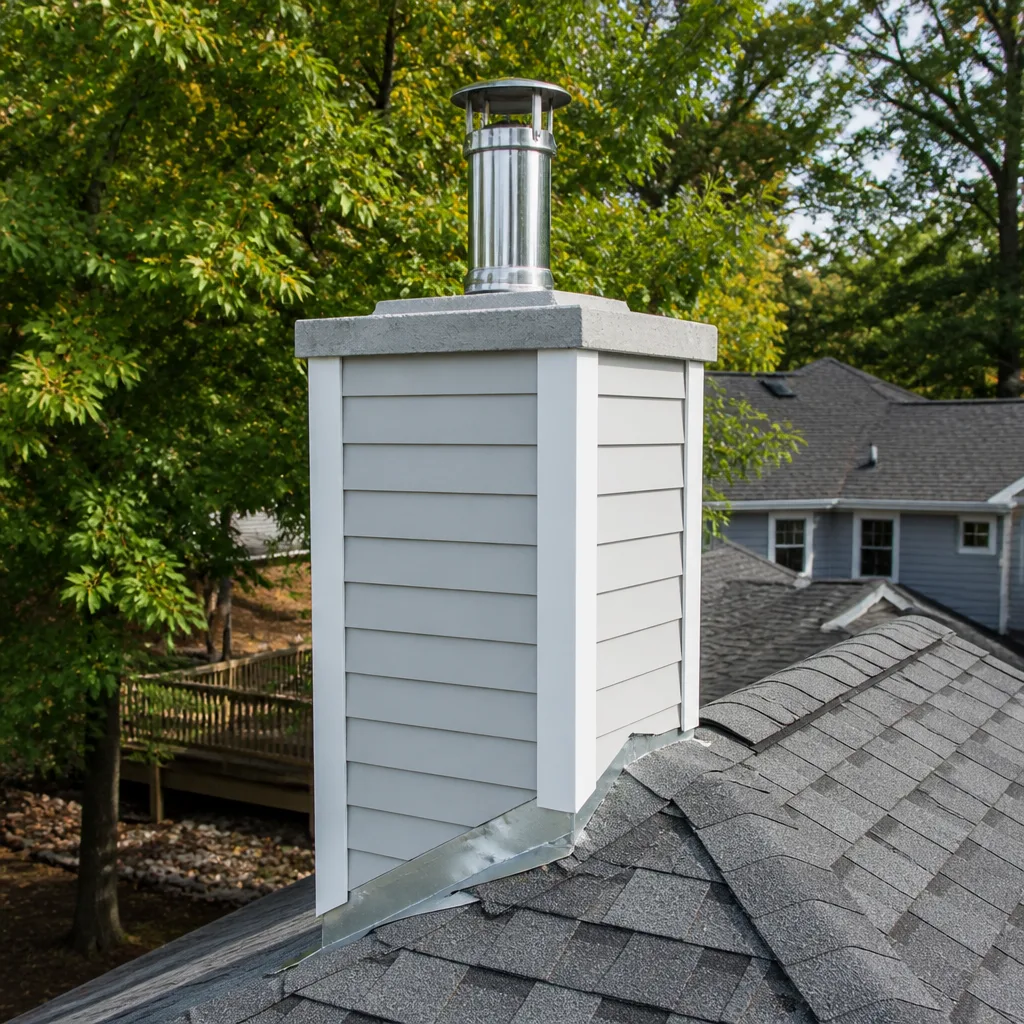 Flue relining
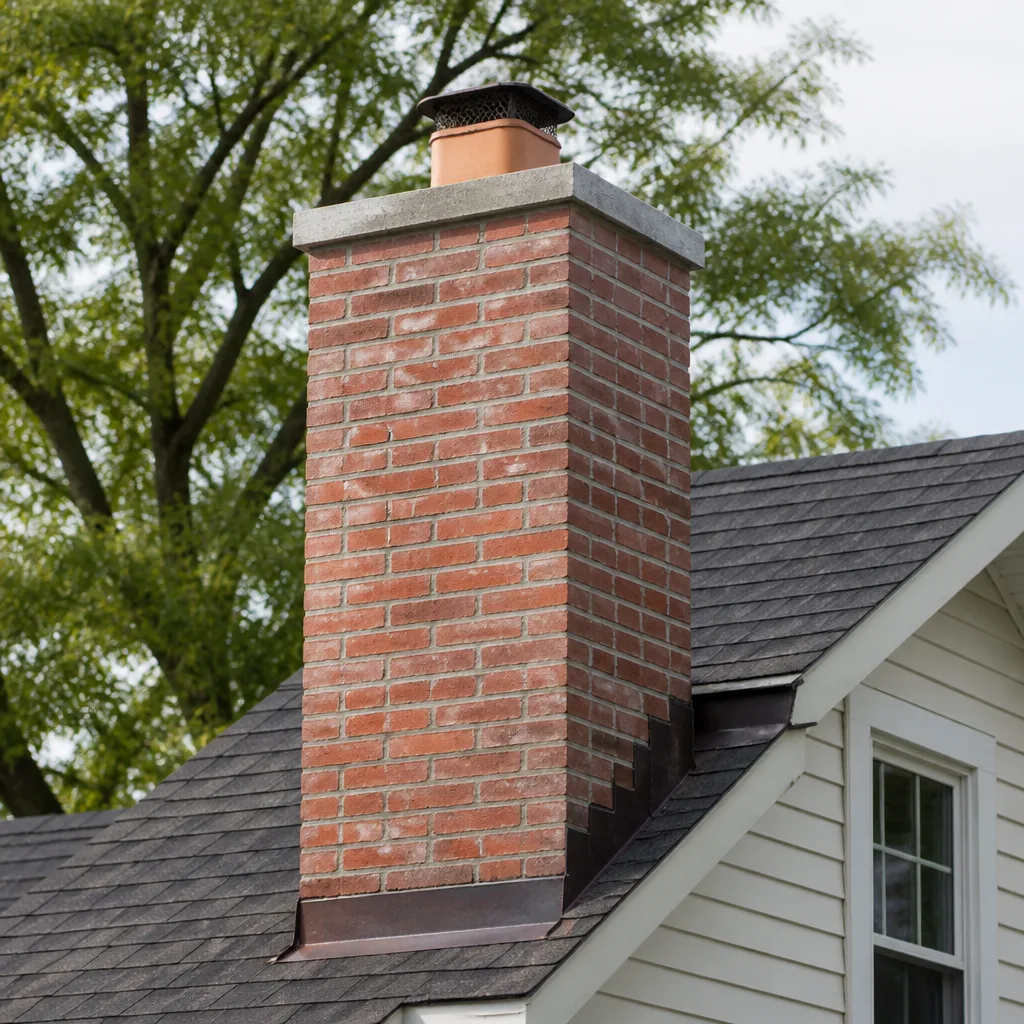 Masonry repair
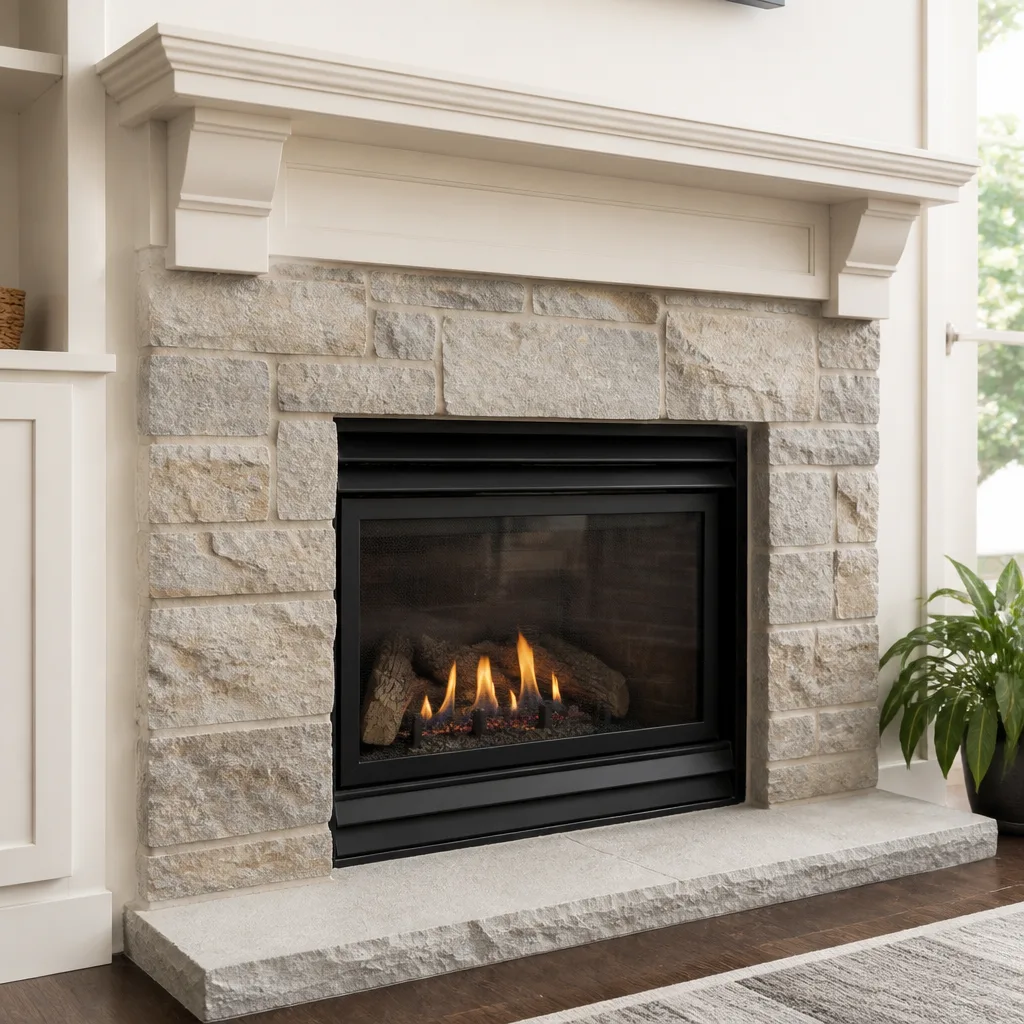 Gas fireplace service
Level 1 sweep and inspection to the NFPA 211 annual standard - flue, crown, cap, and flashing checked and photographed
Chimney sweep logs do not sweep chimneys. They loosen some creosote - which then falls where a brush and vacuum still have to collect it.
Choosing the Right Chimney Cleaning Brand: A Buyer’s Guide for Tottenville
When a sweep packs up and drives off, most homeowners never ask what products went onto their chimney or who made them. They should. The gap between a sealant engineered for freeze-thaw cycling and a generic brush-on product from a hardware store shelf often decides whether the same repair holds for a decade or needs redoing in a couple of winters. Tottenville sits on the southern edge of Staten Island, where chimney masonry takes a real beating from temperature swings, damp winters, and summer humidity, and the materials used matter more here than in milder markets. This guide walks through the product categories that actually affect chimney performance, how to tell professional-grade materials from unbranded equivalents, and the questions worth asking before anyone climbs a ladder.
Quick Answer
The right chimney cleaning brand is less about a single product name and more about whether the company uses manufacturer-approved, professional-grade materials across every category: waterproofing sealants, creosote removers, liner repair systems, and crown coatings. In Tottenville, that means materials rated for freeze-thaw conditions and proper adhesion to masonry, not generic equivalents. Skipping that standard risks failed repairs, voided liner warranties, and repeat work within a few seasons.
Styles & brands we work with
- Sweep & inspection
- Caps & crowns
- Flue relining
- Masonry repair
- Gas fireplace service
Table of Contents
- Why chimney products matter more than most homeowners think
- The four product categories that matter most in Tottenville
- How to tell professional-grade materials from unbranded equivalents
- Climate performance: what Tottenville chimneys actually face
- Questions to ask a contractor about product sourcing
- The warranty intersection: products, liners, and resale
- Matching the product to the service: a practical walkthrough
- Common mistakes to avoid
Why chimney products matter more than most homeowners think
A chimney is a wet structure that happens to carry fire. Rain soaks into brick and mortar, freezes overnight, expands, and pushes the masonry apart a little more each cycle. Creosote builds up inside the flue every time the fireplace runs. Both problems are managed with chemistry and materials, not just elbow grease. A sweep with the right brush and a good vacuum removes the soot; a sweep with the right sealant and liner system protects the chimney for years afterward.
That’s why the products a company uses say more about their standards than the truck they drive. A crew that purchases from established manufacturers like HeatShield or DuraFlex has made a deliberate choice, because those products cost more and require training to apply correctly. A crew using whatever’s cheapest at the supply house hasn’t. Neither fact shows up on an invoice, which is why we always tell Tottenville homeowners what’s being applied and why.
Here’s the practical difference in outcomes:
- Waterproofing: a breathable masonry sealer rated for cold climates lasts several seasons; a cheap film-forming sealer traps moisture and can spall the brick face.
- Creosote treatment: a proper chemical remover converts glazed third-degree creosote into something a brush can take off; a generic powder often just loosens the easy stuff.
- Liner repair: HeatShield resurfacing restores a cracked clay flue to service; a bucket of mortar smeared on by hand won’t meet code and won’t last.
- Crown coatings: a flexible crown coating bridges hairline cracks and sheds water; a stiff patch cracks again within a season or two.
None of this is exotic knowledge in the trade. It’s just rarely explained to the homeowner paying for it. Our position at Chimney Sweep Tottenville is that you should know exactly what’s going on your chimney, and we’re happy to put the product labels in front of you.
The four product categories that matter most in Tottenville
Chimney care isn’t one product; it’s a small set of categories, each answering a different problem. Getting the right product in each category is what separates a lasting repair from a seasonal touch-up.
1. Waterproofing sealants
Masonry is porous. A proper breathable sealer fills the pores enough to shed bulk water while still allowing vapor to escape from inside. Film-forming sealers do the opposite, trapping moisture. In Tottenville’s freeze-thaw conditions, trapped moisture is what causes spalling brick faces and crumbling mortar joints. Look for sealers explicitly formulated for masonry in cold climates.
2. Creosote removers
Creosote comes in three stages: flaky, tar-like, and glazed. Glazed creosote is the hardest to remove and the most dangerous to leave. A proper chemical remover softens it enough for a brush; sometimes a sweep will apply it, wait, and return for a follow-up pass. Cheap powders and fireplace logs marketed as “creosote cleaners” typically don’t touch glazed deposits. Ask what chemical is being used and how long it stays on the flue lining.
3. Liner repair and relining systems
Clay tile flues crack. When they do, the system either needs resurfacing or a new stainless liner. HeatShield is the product most chimney professionals reach for in resurfacing: it’s a castable refractory cement applied to the interior of the flue to restore a smooth, code-compliant surface. DuraFlex stainless liners are the standard when the flue needs full replacement. Both require training; both have manufacturer installation specifications that determine warranty coverage.
4. Crown and cap coatings
The crown is the sloped concrete cap on top of the masonry. A flexible crown coating handles the small movements that concrete cracks from; a rigid patch doesn’t. Stainless caps from Copperfield or Famco protect the flue from rain, animals, and downdrafts, and a properly sized cap matters as much as the material. For a deeper look at that piece, see our page on chimney cap & crown.
How to tell professional-grade materials from unbranded equivalents
The simplest test is whether the company can name the products and the manufacturers without hesitating. If a sweep tells you they’re using “a sealer” or “a liner kit,” that’s not enough information. You want a name and a reason.
Professional chimney suppliers – HeatShield, DuraFlex, Gelco, Olympia Chimney, Famco, and Copperfield among others – each publish installation specifications. Those specs are what inspectors reference and what warranty administrators honor. A contractor working from those specs is working to a standard you can verify independently.
Here’s a quick checklist to use in conversation:
- Ask for the product name and manufacturer. A professional answer comes fast, because the crew uses the same products every week.
- Ask if the product is manufacturer-approved for the application. A sealer approved for brick isn’t necessarily approved for a firebox. Different substrates, different products.
- Ask whether installation follows the manufacturer’s specification. Resurfacing a flue isn’t a paint job; the spec determines thickness, cure times, and mixing ratios.
- Ask what happens if the product fails. A professional answer covers manufacturer warranty and the company’s own satisfaction guarantee.
- Ask if the crew is trained on the product they’re installing. HeatShield and DuraFlex in particular require application training; the results show plainly when it’s been skipped.
Vague answers on any of these are a signal to slow down. We work exclusively with professional-grade materials from brands like DuraFlex, HeatShield, and Copperfield, and we’re comfortable handing homeowners the paperwork on each of them.
Climate performance: what Tottenville chimneys actually face
Tottenville sits on Staten Island’s southern end, close to the water but with the full four-season weather pattern of the New York metro area. That means chimney masonry goes through dozens of freeze-thaw cycles each winter, plus hot, humid summers that push moisture into brick and mortar from the outside. It’s a demanding climate for any masonry structure, and chimney products that work in San Diego fail here.
What that demands of the materials:
- Sealers rated for freeze-thaw: they have to bond to masonry that moves and still allow vapor to escape. A sealer rated for milder climates that promises “deep penetration” often just creates a film that cracks when the masonry moves underneath it.
- Mortar and crown mixes matched to the local climate: a crown coating that stays flexible through freezing nights outperforms a rigid patch that cracks in the first cold snap.
- Stainless liners rated for the fuel type: wood-burning and gas-burning flues require different liner grades under manufacturer specifications; a liner rated for gas is not appropriate for solid fuel. Ask which grade is specified for your appliance.
- Creosote treatments that work in cold temperatures: some chemical removers perform poorly when the flue is cold; check that the product specification matches the season you’re burning in.
The salt air that many coastal guides talk about doesn’t apply here in the way it does on the immediate shoreline; the real stress on Tottenville chimneys comes from moisture cycling and internal creosote buildup. That’s a different product priority than a beachfront home would have, and it’s the one we plan around when we quote work.
For a solid baseline each season, pair a chimney sweep with an inspection so you know what condition the flue is actually in before repairs get proposed.
Questions to ask a contractor about product sourcing
You don’t need to know product chemistry to hire the right sweep. You do need to ask a handful of questions and listen to how the answers land. A professional answers these in plain language because they’ve had the conversation hundreds of times.
The questions themselves
- Which manufacturers do you typically work with for waterproofing, liner repair, and crown work? You want named brands, not adjectives.
- Are your technicians trained on the products you install? HeatShield, DuraFlex, and similar systems require application training; ask how that’s documented.
- What’s your process if a product fails prematurely? A confident answer covers warranty and a return visit.
- Do you provide product documentation with the invoice? Labels, spec sheets, and installation records help with resale and insurance later.
- Will you show me the camera footage before recommending a repair? Nothing is recommended without evidence you can see for yourself.
What evasive answers sound like
Watch for these patterns. “We use the best products on the market” without naming them. “Whatever the supplier has that week.” An unwillingness to put the product name on the estimate. A claim that manufacturer training isn’t relevant. A quote that’s dramatically lower than others with no explanation of what’s different. Also be wary of anyone recommending a full liner replacement before a camera inspection has been shown to you – liner work is occasionally necessary, but it should always be evidence-driven.
We’ve seen enough chimneys in Tottenville to know that repair proposals without camera documentation are often one of two things: a guess or an upsell. Either way, you deserve better. Our technicians have up to 10 years of experience, and every job starts with the camera.
The warranty intersection: products, liners, and resale
Here’s a piece of the product conversation that rarely gets mentioned until a problem surfaces years later. When a chimney liner, crown, or resurfacing system is installed, the manufacturer’s warranty depends on the installation following their specification, and on the materials being used together as designed. Substitute a non-approved sealant over a HeatShield-resurfaced flue, or install a DuraFlex liner without proper insulation in the specification, and the manufacturer warranty can be voided.
That matters in two ways.
- Resale: a buyer’s inspector will look at the chimney. Documentation showing the correct products were used and installed to specification answers the inspection cleanly. Missing documentation invites re-inspection, negotiation, or a request to have the chimney re-evaluated before closing.
- Insurance: chimney-related claims sometimes ask whether the appliance and flue were properly maintained and installed. Product and installation records help.
The warranty point also applies to the appliance itself. Wood stove and insert warranties often require a listed stainless liner; using a non-listed product can void coverage. It’s not a technicality – it’s the manufacturer protecting a spec that determines how the appliance safely vents.
Keep the paperwork. Ask for the product name and manufacturer on the invoice, not just “liner replacement.” If you ever sell the house, you’ll be glad you did.
Matching the product to the service: a practical walkthrough
Chimney work falls into a predictable arc, and each stage has its own product needs. Knowing the arc helps you understand what a fair quote looks like and why the materials differ from job to job.
Stage 1: Sweep and inspection
The products here are equipment and chemical. A professional sweep uses HEPA-equipped vacuums to contain dust, poly brushes matched to the flue type (wire brushes only on masonry, never on prefabricated metal flues), and chemical creosote removers when glazed deposits are present. The inspection side is a camera – a chimney camera sends a live image you can watch, and any recommended work should trace back to something visible on that footage.
Stage 2: Preventive maintenance
Once the flue is clean and confirmed, preventive products come into play. A breathable masonry sealer on the exterior slows moisture intrusion through the brick and crown. A properly fitting stainless cap from Famco or Copperfield protects the flue opening from rain, animals, and downdrafts. A flexible crown coating seals hairline cracks in the concrete crown before they turn into structural water paths.
Stage 3: Repair
When the inspection reveals damage, the repair stage uses the heavier products. Cracked clay tiles get HeatShield resurfacing when the flue is structurally sound enough to accept it. Where it isn’t, a DuraFlex stainless liner becomes the right answer. Spalling brick, cracked crowns, and failed mortar joints get structural repair with materials matched to the original masonry.
Stage 4: Fireplace service
Firebox and damper repairs use a different product set. Refractory mortar, firebrick, and firebox resurfacing products all need to be rated for direct flame contact. Our fireplace repair work follows manufacturer specifications for each of these, and the materials need to be able to withstand the temperature cycling of a working fire.
At each stage, a single specialist handles it all. From annual sweep to full structural repair, one call, one specialist – that’s the point of working with a chimney-only company rather than piecing the work out to different contractors who each have their own product preferences.
Common Mistakes to Avoid
- Hiring the cheapest quote without asking what products are being used. The quote is often lower because the materials are cheaper. Two winters later, the same repair needs to be redone, and the total cost is higher than the professional quote would have been.
- Assuming a general handyman can apply specialty products correctly. HeatShield and DuraFlex require training and specification-following. A contractor who installs these products occasionally usually makes mistakes that show up in the first cold season.
- Accepting “waterproofing” without asking if the sealer is breathable. In Tottenville’s climate, a film-forming sealer traps moisture and can spall the brick face. Ask specifically about vapor permeability.
- Skipping the camera inspection before agreeing to repairs. Nothing should be recommended without evidence you can see. If a company quotes liner work without showing you the inside of the flue, that’s a red flag.
- Treating creosote with a hardware-store “cleaning log” instead of professional chemical removal. Glazed creosote needs a proper chemical remover and a trained application. Cleaning logs help reduce buildup between sweeps, but they don’t remove existing glazed deposits.
- Discarding product paperwork. Manufacturer spec sheets and installation records support the warranty and help at resale. Keep them with the appliance manual.
- Trying to handle liner or masonry repair work as DIY. These are not safe projects, no matter how many videos online suggest otherwise. A failed liner can vent carbon monoxide into the home; a failed crown means water damage to the masonry. This is work for a trained professional.
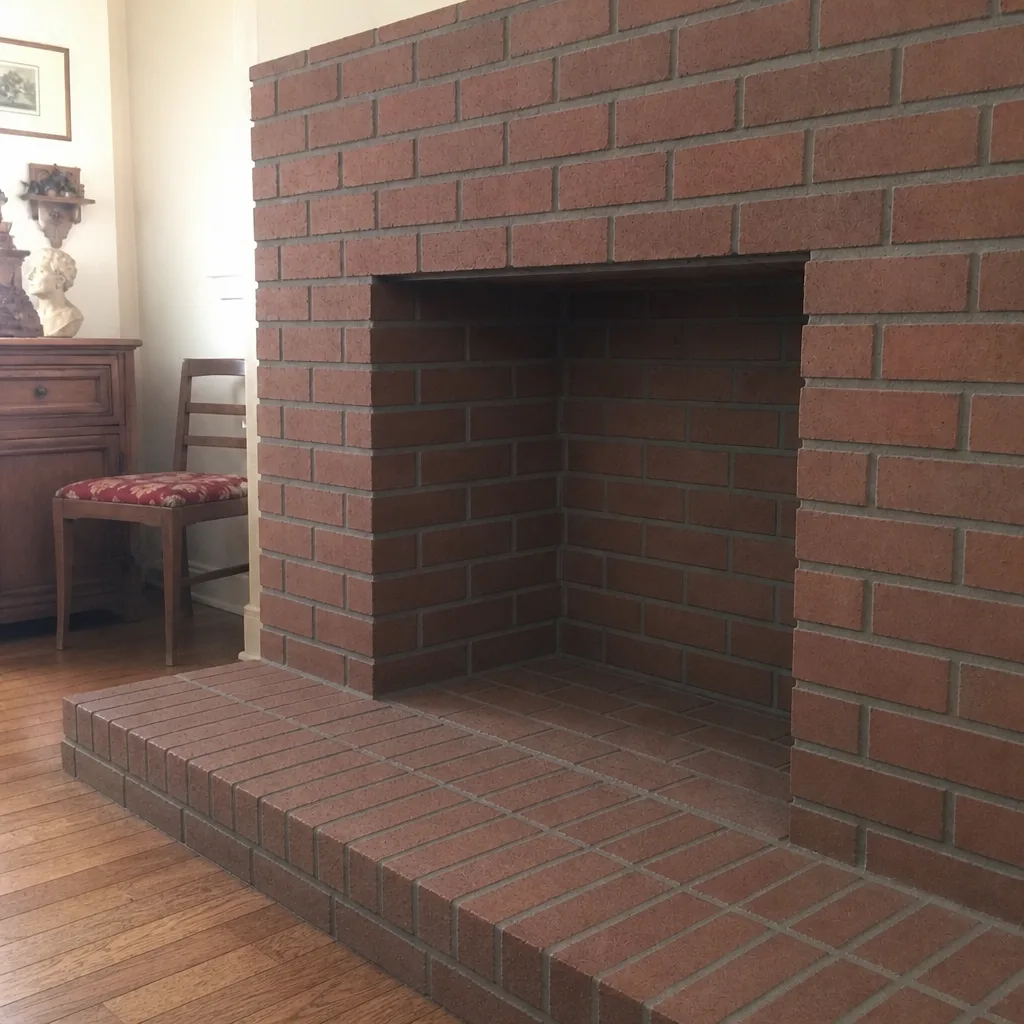
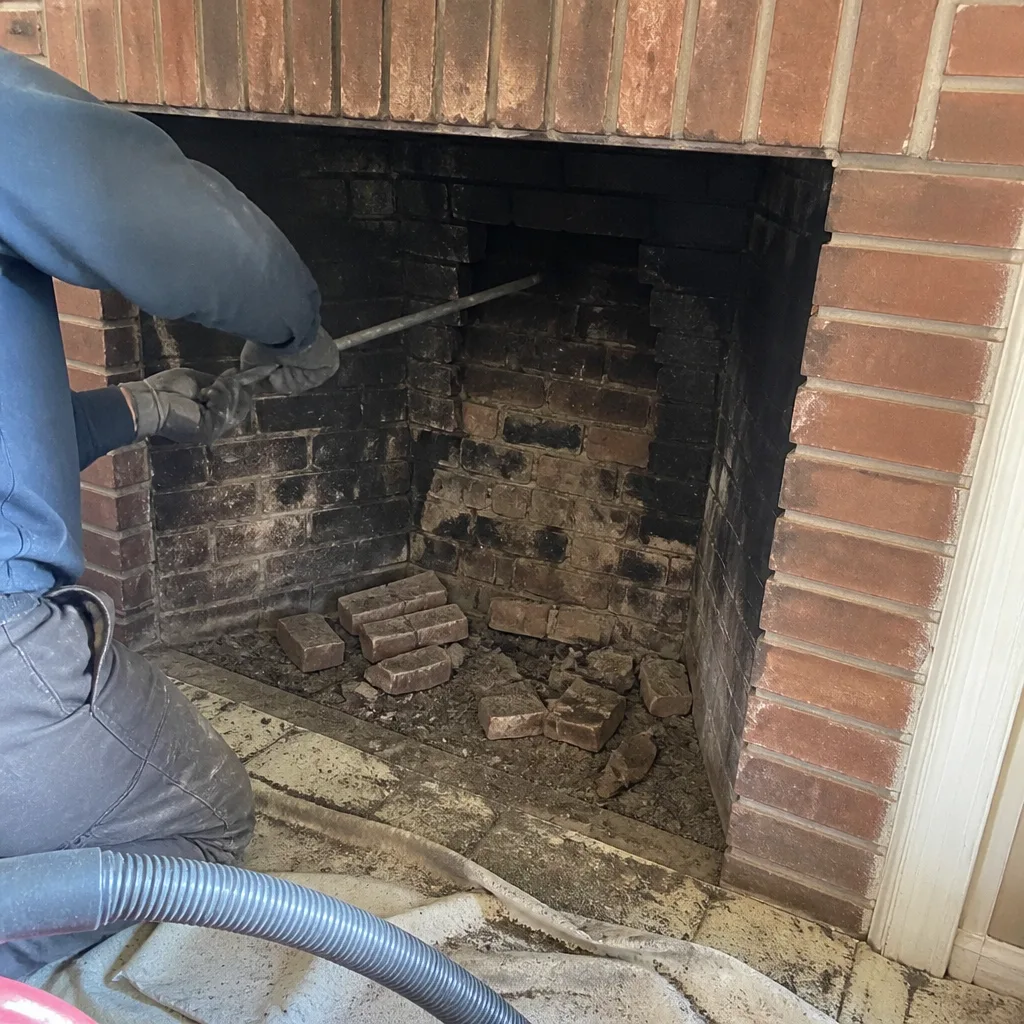
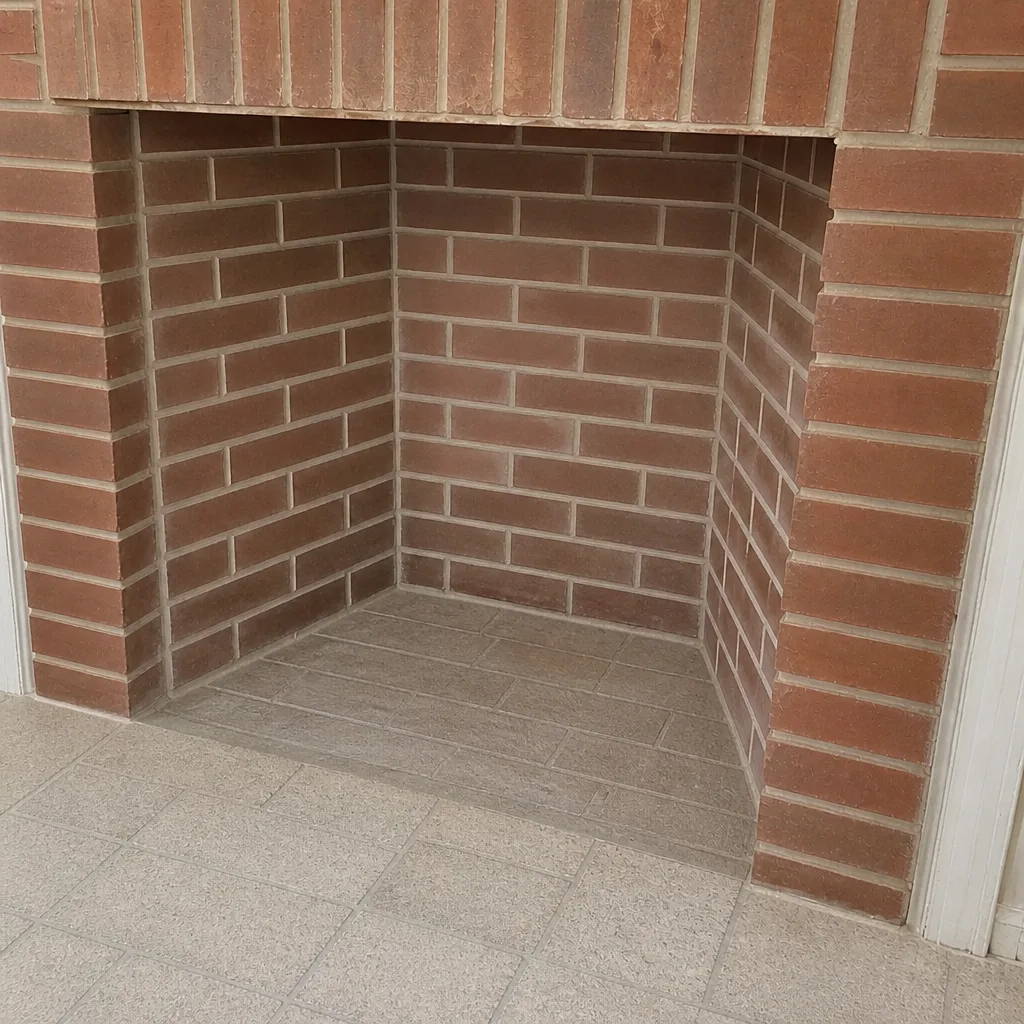
See the difference
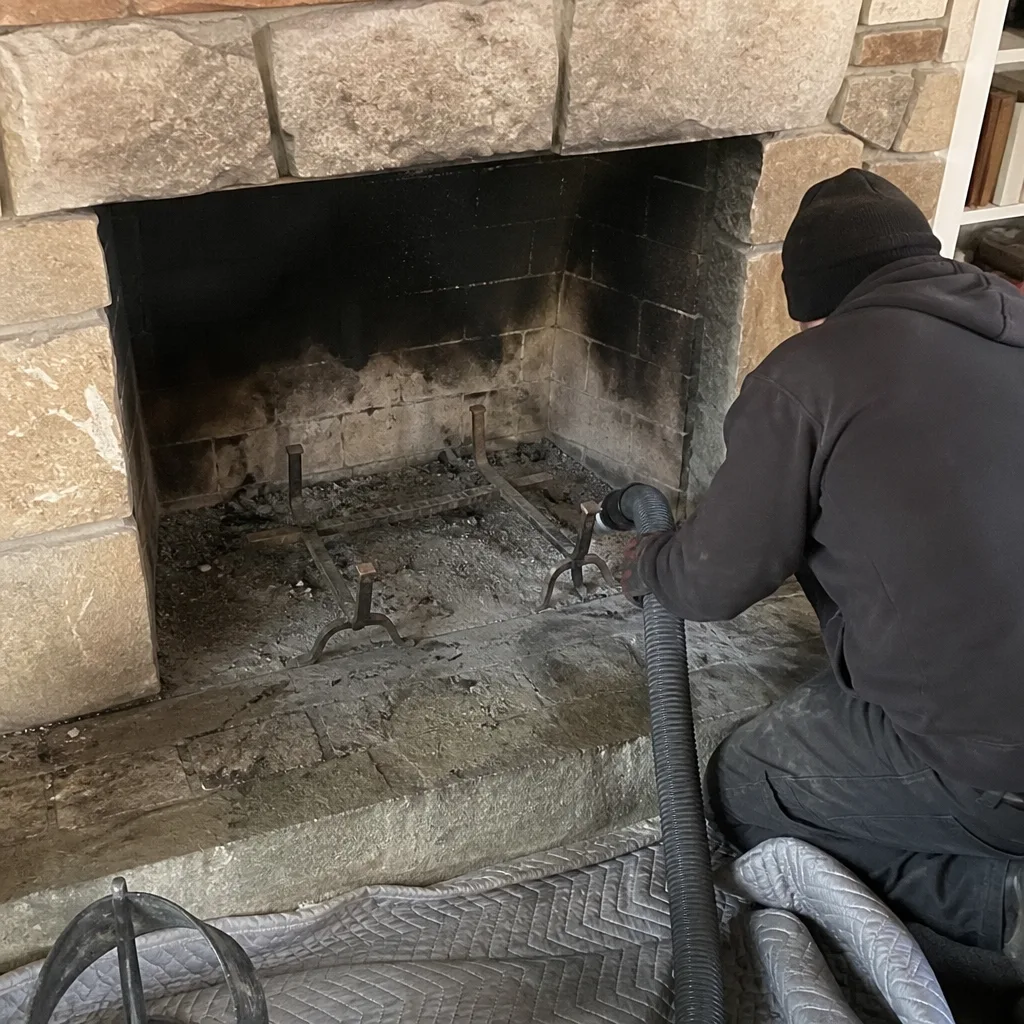 Before
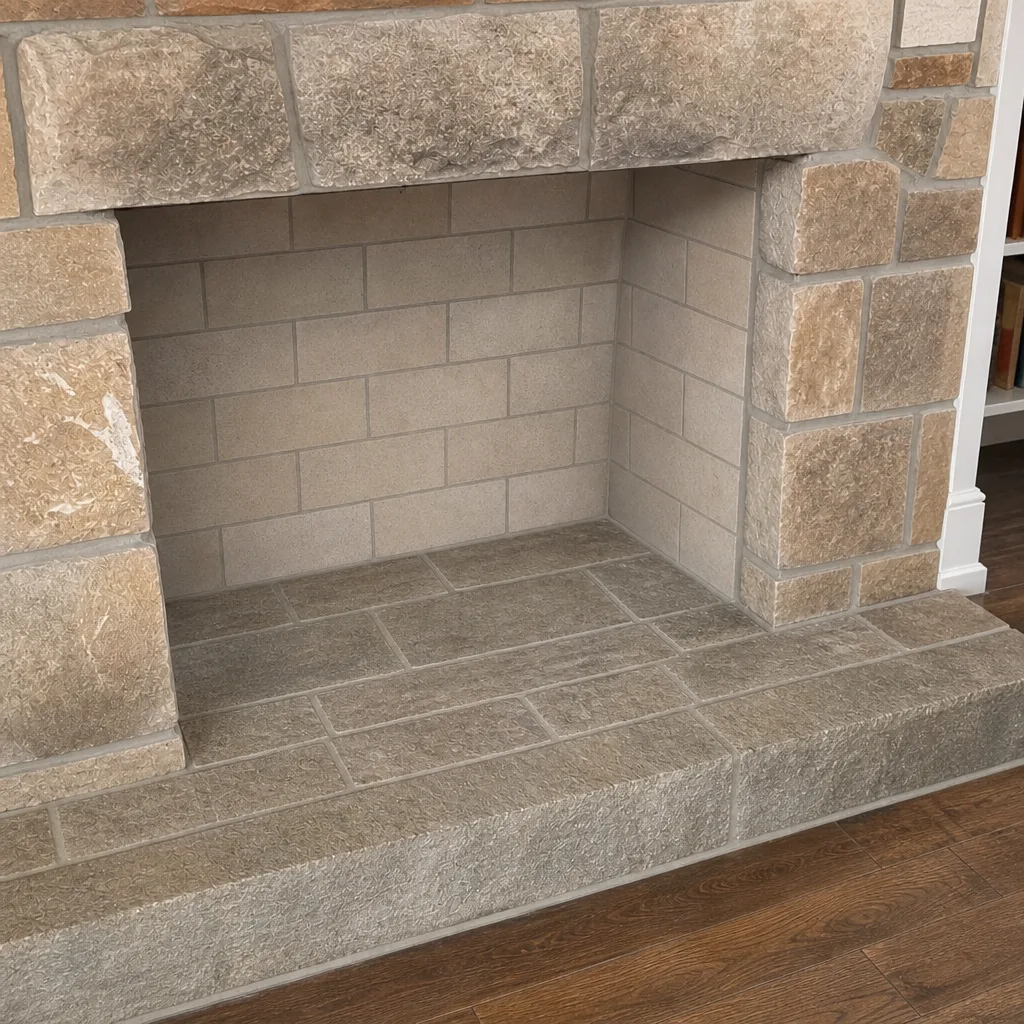 After
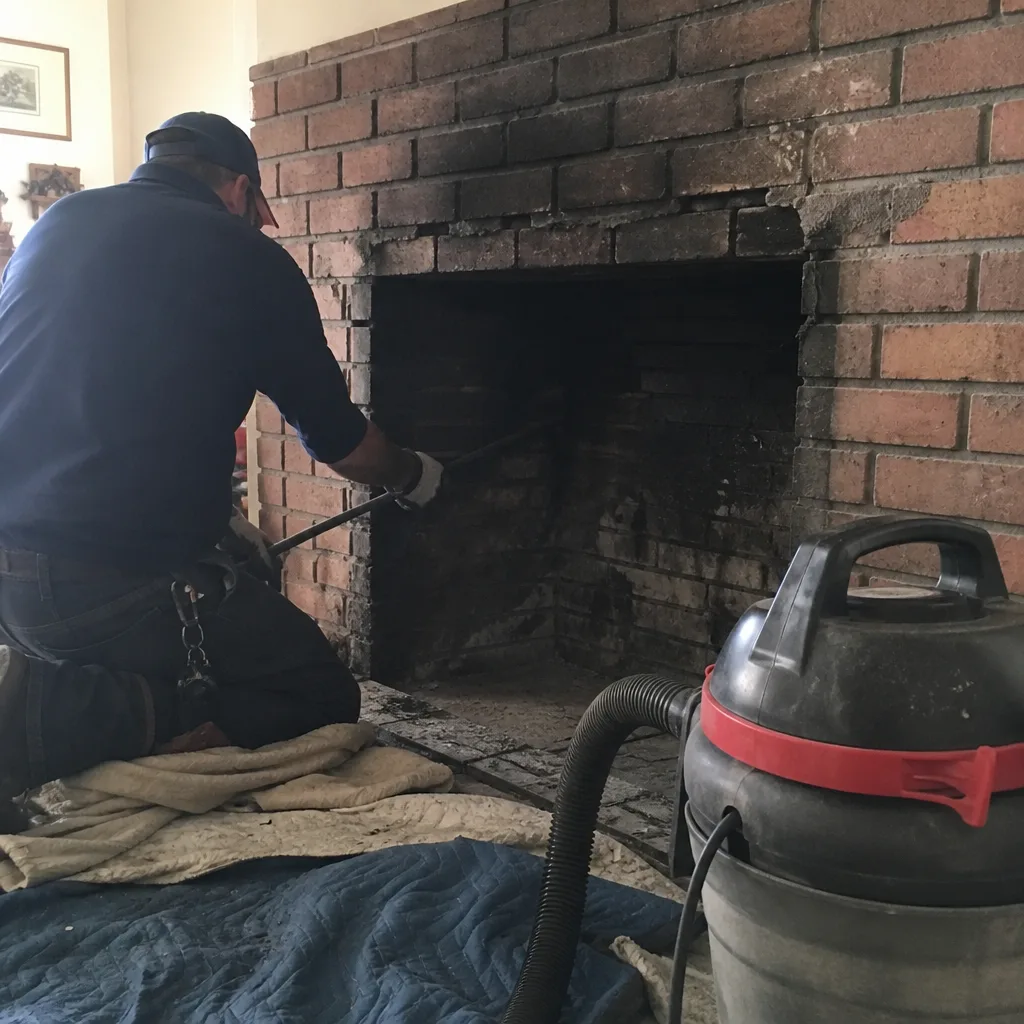 Before
 After
 Before
 After
When to Call a Professional
Some chimney issues are obvious; others hide behind a clean-looking firebox and a normal flame. Call for a professional inspection if you’re seeing any of the following: smoke backing into the room when you light a fire, a strong creosote smell that persists after a sweep, water stains on the ceiling near the chimney, crumbling mortar visible from the roof, or a chimney cap that’s come loose or missing. Also call if your home’s previous owner never had the chimney inspected, or if it’s been more than a year since the last sweep. A failed liner or blocked flue can vent carbon monoxide into living space, so any change in how the fireplace draws is worth a look. Chimney Sweep Tottenville offers free estimates in Tottenville – call (855) 507-5849. We answer 24/7, with fast dispatch from 7am to 7pm, Sunday through Friday.
Frequently Asked Questions
The best products for a Tottenville chimney are professional-grade materials rated for freeze-thaw cycling: a breathable masonry sealer, a proper chemical creosote remover for glazed deposits, and HeatShield or DuraFlex for liner work. Brand matters less than whether the product is manufacturer-approved for the specific application. Call (855) 507-5849 for an exact quote – estimates are free.
Ask for the product name and manufacturer, and expect a fast, specific answer. A professional sweep knows exactly what they’re applying and why, and can hand you the spec sheet. Vague answers like “the best on the market” or “whatever the supplier has” signal that the products aren’t a priority. Call (855) 507-5849 to talk through our product list – estimates are free.
That’s a question for the camera, not for a sales pitch. Cracks that haven’t compromised the flue structure can often be resurfaced with HeatShield; flues that have lost structural integrity need a DuraFlex stainless liner. In our experience, the answer comes from the footage, not from the age of the house. We won’t recommend work you can’t see evidence for. Call (855) 507-5849 for an exact quote – estimates are free.
Most wood-burning chimneys need a sweep once a year, and gas-burning appliances benefit from annual inspection even though they produce less creosote. Chimneys that see heavy use, burn unseasoned wood, or have a long history of no maintenance may need more frequent attention. If it’s been more than a year, book an inspection. Call (855) 507-5849 for an exact quote – estimates are free.
Skipped maintenance allows creosote buildup to reach the glazed stage and moisture to work into the masonry, both of which turn small problems into expensive ones. Glazed creosote is a fire hazard; damaged brick and mortar are a structural problem. Neither resolves without professional work. Call (855) 507-5849 for an exact quote – estimates are free.
Yes. Manufacturer warranties on liners and resurfacing systems depend on installation following the published specification, including compatible products applied in the prescribed way. Using a non-approved sealant over a resurfaced flue, or installing a liner without the specified insulation, can void coverage. That’s part of why we stick to HeatShield, DuraFlex, and similar professional-grade products – the paperwork holds up. Call (855) 507-5849 if you’ve had work done elsewhere and want to verify what’s on your flue – estimates are free.
The Bottom Line
Chimney product quality isn’t a marketing story; it’s the difference between repairs that last and repairs that get redone. In Tottenville’s climate, breathable sealers, proper creosote chemistry, and manufacturer-approved liner systems determine how a chimney holds up season to season. When you’re hiring a sweep, ask what products they’ll use, who makes them, and whether the crew is trained on them. Vague answers are a signal; specific ones are a relief. And always ask to see the camera footage before agreeing to repairs – the evidence should drive the recommendation, not the other way around. Chimney work is all we do, which means all we’re good at is helping Tottenville homeowners keep their flues safe, clean, and documented. To book a sweep or talk through what products are right for your chimney, call (855) 507-5849 for a free estimate.
Written by the team at Chimney Sweep Tottenville.