
Last updated November 25, 2026
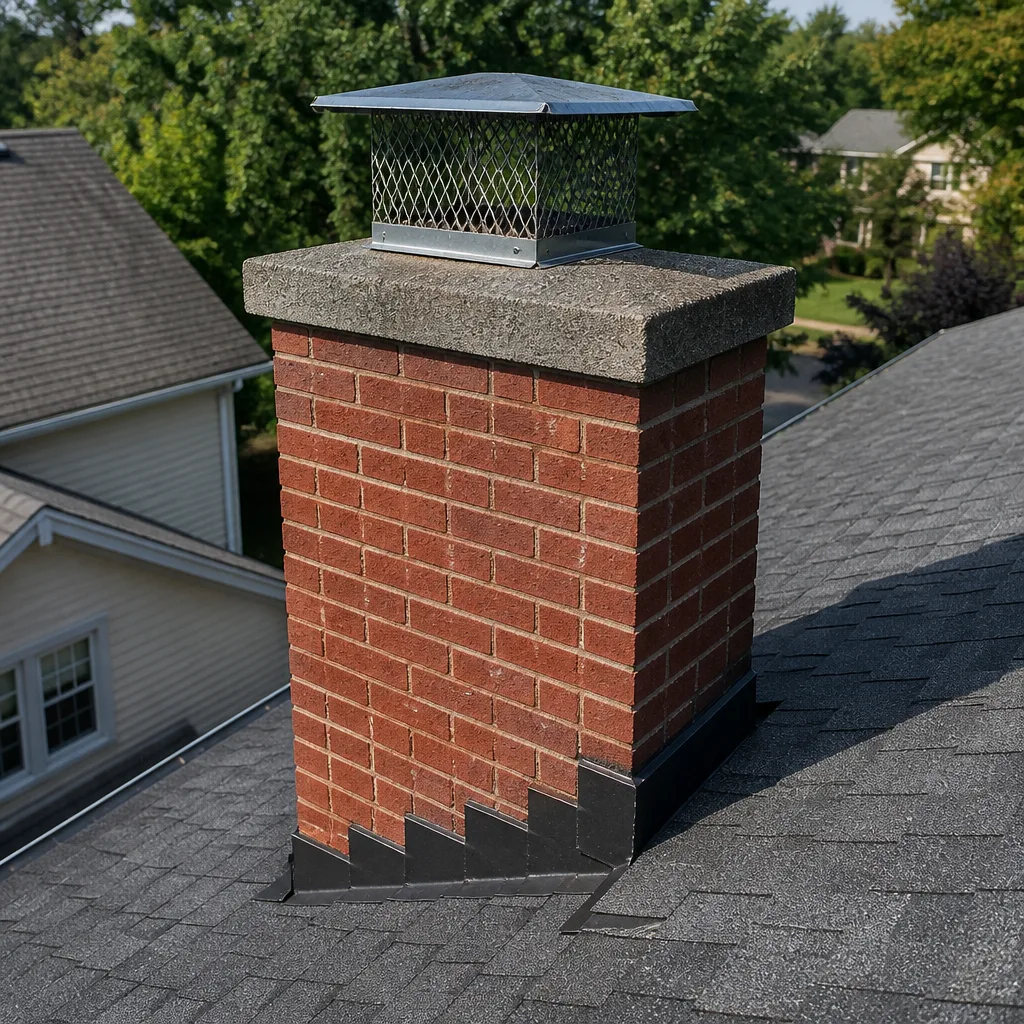 Sweep & inspection
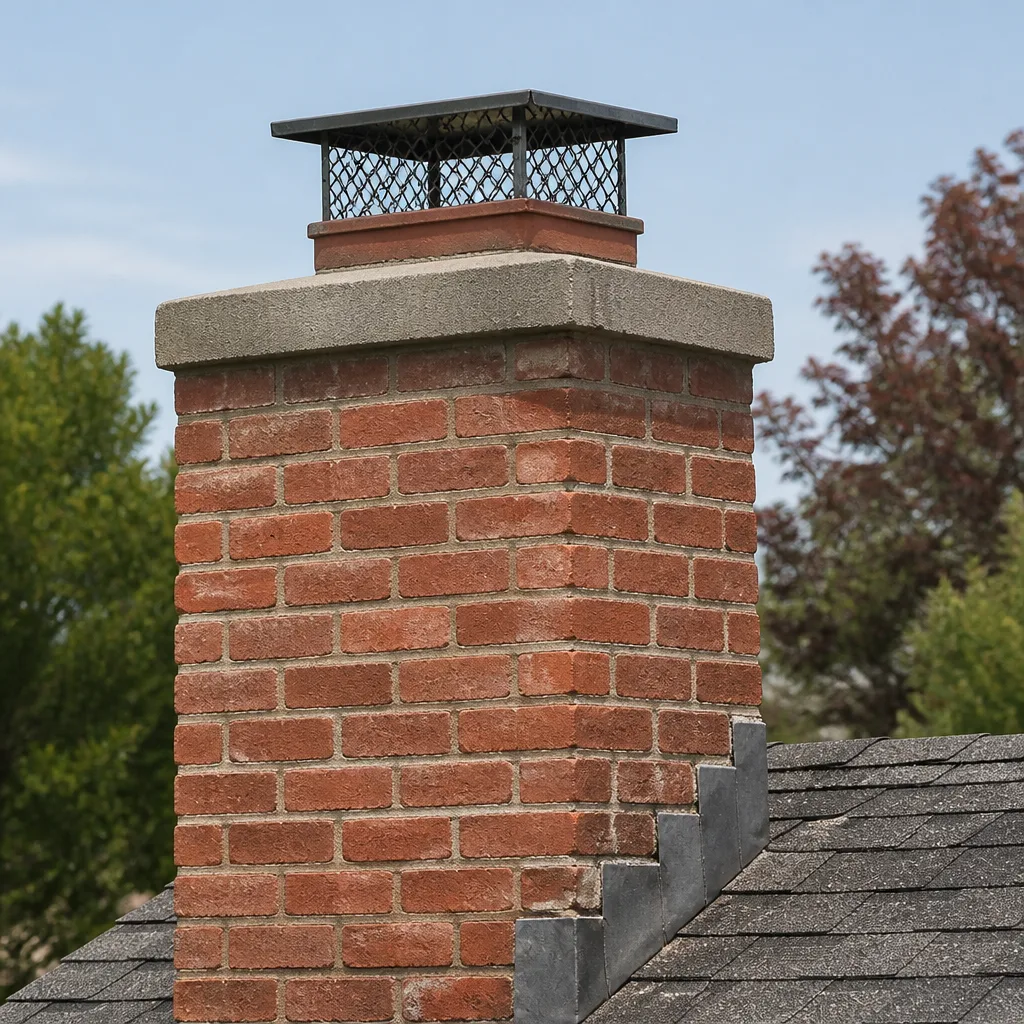 Caps & crowns
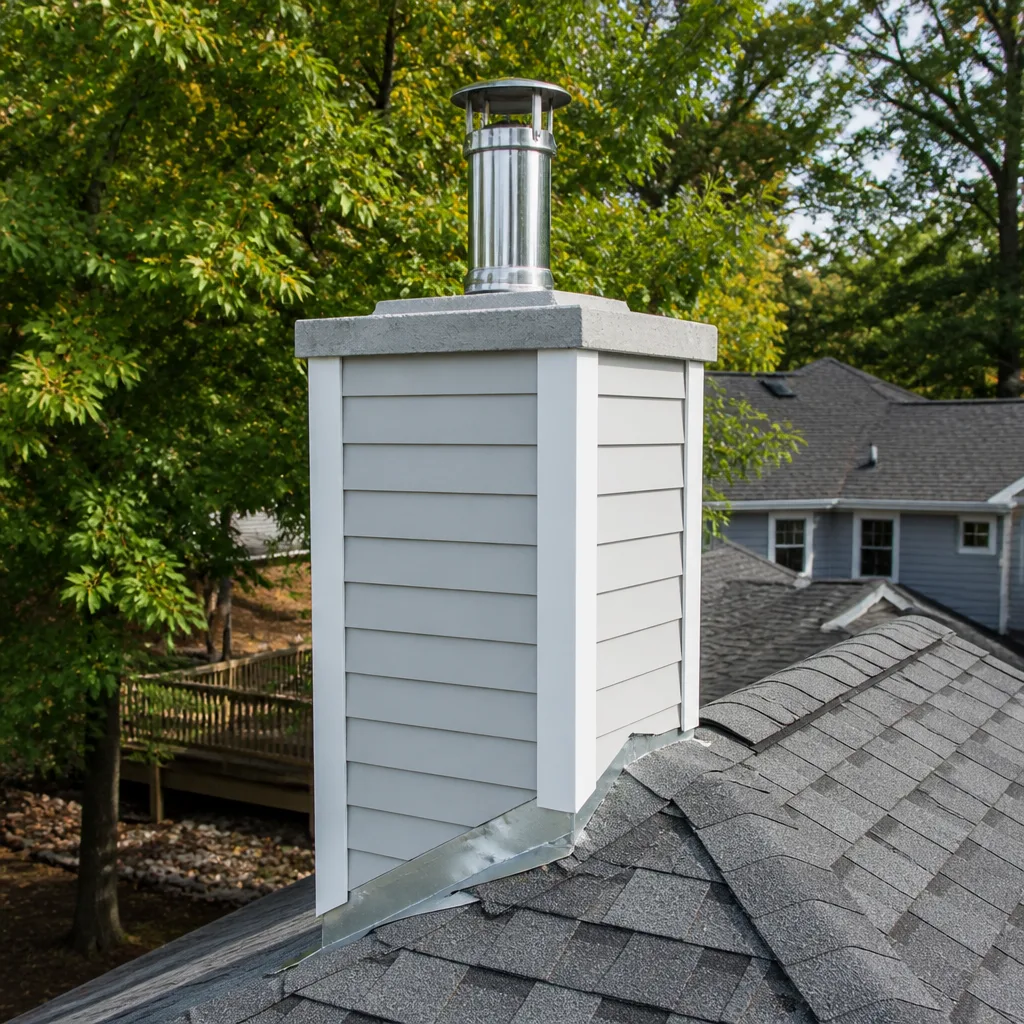 Flue relining
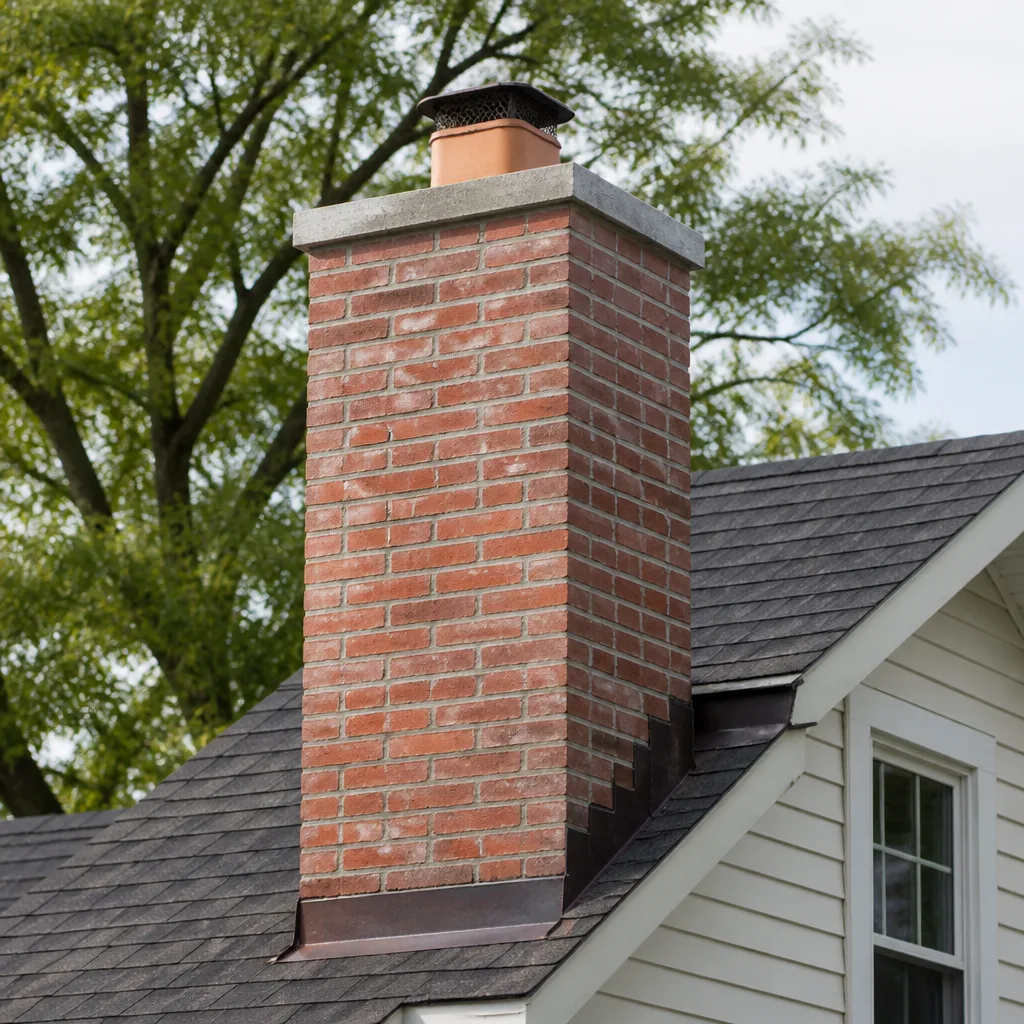 Masonry repair
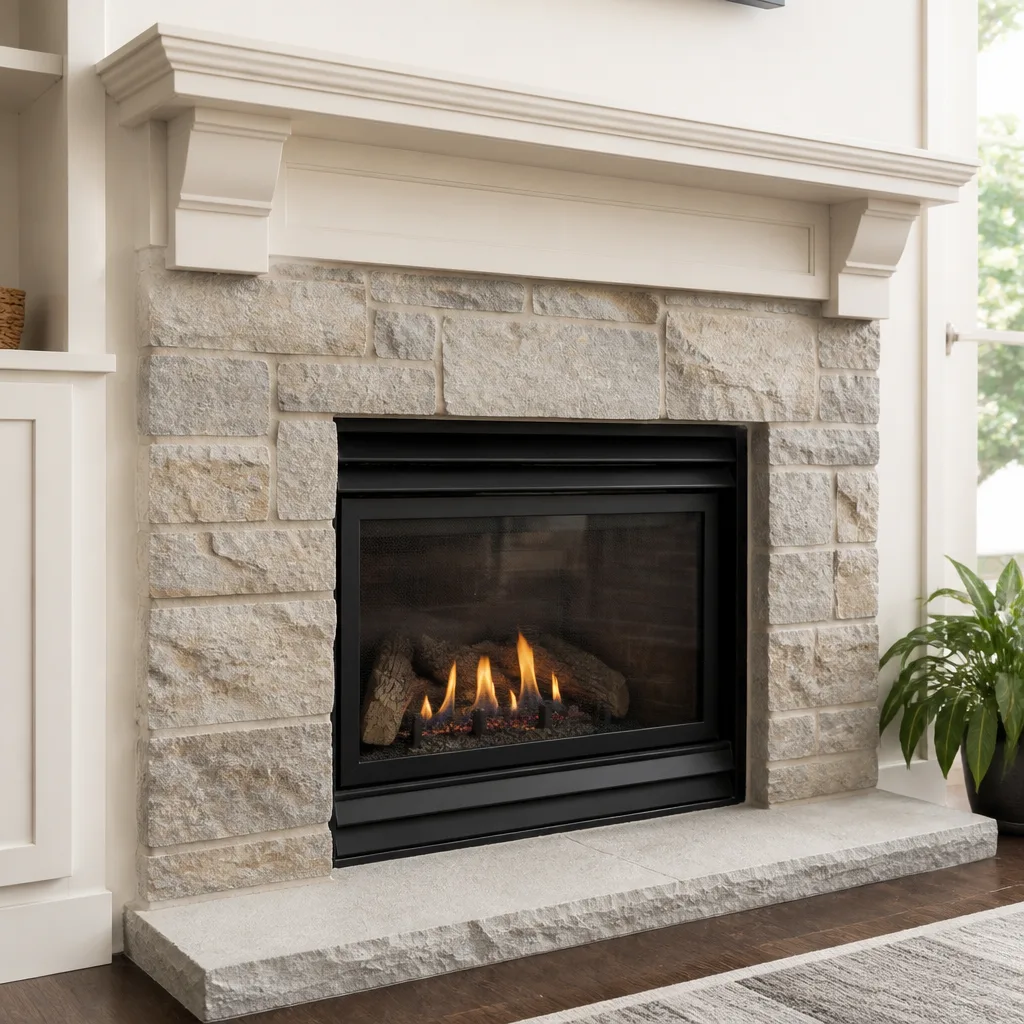 Gas fireplace service
Level 1 sweep and inspection to the NFPA 211 annual standard - flue, crown, cap, and flashing checked and photographed
Chimney sweep logs do not sweep chimneys. They loosen some creosote - which then falls where a brush and vacuum still have to collect it.
DIY vs Professional Chimney Cleaning: The Tottenville Homeowner’s Decision Guide
You can buy chimney brushes, rods, and drop cloths at any hardware store. What you can’t buy at that same store is the ability to identify stage two creosote by texture, recognize a cracked tile liner segment from inside the flue, or judge whether a firebox repair will hold structural load. That’s the real dividing line, and it’s more specific than most Tottenville homeowners expect. This guide draws it carefully: what you can genuinely do between professional visits, what requires professional tools, what the insurance consequences really look like, and how to be a sharper client when you do hire a sweep. By the end you’ll know exactly where DIY ends for your chimney.
Quick Answer
You can safely handle light between-visit chores yourself: removing ash from the firebox, checking the cap from the ground with binoculars, and doing a visual spot-check of exterior masonry. Everything that touches the inside of the flue, the liner, the smoke chamber, or structural repair requires professional equipment and training. If your chimney has never been swept or inspected, or it’s been more than a year of regular burning, book a professional. DIY sweeping with a brush and rods removes surface soot at best and can miss glazed creosote entirely.
Styles & brands we work with
- Sweep & inspection
- Caps & crowns
- Flue relining
- Masonry repair
- Gas fireplace service
Table of Contents
- Where the Real Divide Between DIY and Professional Actually Sits
- What You Can Safely Do Yourself Between Professional Visits
- The Tasks That Require Professional Equipment
- The Liability Reality When DIY Meets a House Fire
- An Honest Cost Comparison for Tottenville Homeowners
- How to Be a Better-Informed Client When You Hire
- Tottenville Context: Climate, Housing, and Your Chimney
- Understanding Creosote Stages and Why They Matter
Where the Real Divide Between DIY and Professional Actually Sits
The DIY-versus-professional chimney conversation usually gets framed as a skill question. Can you sweep a chimney yourself? Sure, physically you can push a brush up a flue. But skill isn’t the dividing line. Tools and diagnostic ability are. This matters in Tottenville because so many homes here have older masonry chimneys where a missed defect can compound into an expensive structural problem long before anyone notices.
Here’s the honest breakdown of what separates a homeowner with a brush from a trained chimney technician:
- Rotary cleaning capability. A hand brush scrapes at the surface. A rotary system uses spinning whip heads that cut through glazed creosote and polish the flue wall. Most DIY setups can’t touch glazed deposits.
- Video inspection. A camera run through the flue reveals cracked tiles, gaps in joints, mortar deterioration, and offset flue geometry that a flashlight from the firebox will never show.
- Smoke testing. Professionals introduce a controlled smoke test to find leaks in the flue system that aren’t visible from either end.
- Creosote identification. Telling stage two from stage three creosote is a tactile and visual judgment that requires having handled both. A homeowner has no reference frame.
- Structural assessment. Whether a firebox repair can hold, whether a crown crack is cosmetic or draining water into the masonry, whether a liner segment needs resurfacing with HeatShield – these are trades within the trade.
Chimney work is what our entire team does. Every technician’s skill set is built around flue and fireplace systems specifically, not spread across HVAC and general repair. That specialization is the credential that matters when you’re deciding whether to put a brush in your own chimney or call in someone whose whole professional life is chimney diagnosis.
What You Can Safely Do Yourself Between Professional Visits
Between professional visits, there’s a real set of chores you can handle. Doing them regularly actually extends the life of your system and makes professional sweeps more effective when they come. Here’s what we consider legitimately safe homeowner maintenance in a Tottenville home:
- Remove ash from the firebox once ash depth reaches an inch or so. Use a metal scoop and a metal ash can with a lid. Leave a thin ash bed to help insulate the next fire, but don’t let ash pile up against the firebox walls.
- Check the cap visually from the ground. Binoculars work. Look for a missing or damaged cap, a bird nest visible at the top, or a cap that’s clearly detached. If you see a problem, stop and call – don’t climb.
- Spot-check exterior masonry at eye level. Walk the foundation line once a season. Look for spalling brick faces, whitish efflorescence (mineral staining), or visible cracks in the mortar joints. Note them and mention them at the next professional inspection.
- Check the damper operation by hand. Open and close it fully a few times a season to make sure it isn’t seized. If it feels stuck, don’t force it – that’s a repair.
- Keep the firewood properly stacked. Seasoned wood stored away from the house and off the ground burns cleaner and produces less creosote.
That’s the safe list. Everything else that touches the inside of the flue or the structural integrity of the chimney belongs on a professional’s service log. If you want a photographic record of that log, our chimney sweep pairs every cleaning with camera inspection so you have documented evidence rather than a verbal “looks fine.”
The Tasks That Require Professional Equipment
This is where the DIY decision usually goes wrong: the homeowner assumes the gap is training when it’s really equipment. You could theoretically learn to identify a cracked flue tile with enough study. You cannot fabricate a rotary brush system, a video inspection camera rated for a sooty flue, or a smoke testing rig that will find what’s hiding inside the chimney. Here’s what you’re actually paying for:
- Rotary cleaning systems. The whips and rods that actually strip glazed creosote and polish the flue wall. Consumer-grade brushes bounce off stage three creosote.
- Video inspection cameras. Color video, real-time view, panning heads, ability to record. A homeowner with a flashlight and a mirror is looking into a dark tube.
- Smoke testing. Diagnostic test for leaks in the flue system, done with a controlled smoke source and a pressure setup.
- Creosote-specific chemical treatments. Products that convert stage three creosote into something a rotary brush can actually remove – none of which you can buy at a hardware store for safe homeowner use.
- Relining equipment. If the inspection reveals a failed liner, the repair is either resurfacing with a professional product like HeatShield or installing a new listed liner system such as DuraFlex or Olympia Chimney. Neither of those is a homeowner project.
There’s also a safety piece worth stating plainly. Chimney flues are enclosed, vertical spaces with dangerous geometry. Ladders, low-pitch roofs, and working near the flue top are among the most dangerous places in a home to be. Our technicians have up to 10 years of experience with that geometry. A homeowner does not. When in doubt about anything involving a roof or the top of the flue, get off the roof and call a professional.
The Liability Reality When DIY Meets a House Fire
Chimney fires happen, and the insurance conversation afterward usually starts with a question about maintenance records. This is uncomfortable to write but important: if your chimney is involved in a house fire and there’s no documentation of professional cleaning or inspection, the claim investigation gets harder. Not impossible – insurance companies don’t automatically deny claims – but harder, and the burden of showing that the chimney was reasonably maintained lands on the homeowner.
What does a “maintenance record” actually look like? It doesn’t need to be elaborate. Include:
- Dates of professional chimney sweeps, with the company name noted.
- Copies of any inspection reports or photo documentation the sweep provided.
- Records of any repairs completed – liner resurfacing, cap or crown work, fireplace repair.
- Any notes on the condition of the liner or flue from those inspections.
A chimney that’s been swept and inspected professionally, with documentation, presents a very different picture to an insurance adjuster than a chimney with no paper trail. We can work with your insurer if a question comes up after a loss – that’s a normal part of what a documented maintenance history makes possible. Our Chimney Sweep Tottenville team pairs every cleaning with a written inspection summary for this reason. The record does two things: it protects your claim, and it gives you a baseline to compare against next season.
An Honest Cost Comparison for Tottenville Homeowners
Most DIY-versus-pro cost comparisons are rigged. They compare the price of a brush and rods against a professional sweep and call the difference “savings,” which ignores time, effectiveness, and the risk of what gets missed. Here’s a more honest accounting for Tottenville homeowners. All professional figures are typical estimates for the area – the written estimate from the technician sets the final price, and we always agree on the scope before booking.
- DIY materials cost. A basic brush-and-rod kit plus drop cloths and a mask generally runs somewhere in the low hundreds. Not a huge outlay, but not free either.
- DIY time cost. A careful full sweep, prep, cleanup, and post-sweep check takes most homeowners a half day or more, plus the roof access work if the sweep is done top-down.
- DIY effectiveness. Not comparable to a professional sweep when the creosote has moved past stage one. You’re buying the appearance of a clean chimney, not the reality.
- Professional sweep typical range. In the Tottenville market, a standard chimney sweep with a basic inspection usually falls somewhere around $180 to $340 depending on flue accessibility and how much creosote has accumulated.
- Professional sweep + full camera inspection. When you add a documented video inspection, expect a step up from the base sweep range. That inspection is what catches the failing liner before it becomes a fire or water problem.
The comparison hinges on what “clean” actually means. A DIY sweep that removes surface soot leaves the glazed creosote intact where it does the most damage. The insurance-and-repair scenario that follows a fire is where the cost gap widens dramatically. Spend the estimate conversation up front instead of the claim conversation after.
How to Be a Better-Informed Client When You Hire
If you hire a professional sweep, being an informed client makes the visit more useful. Ask before the technician leaves, and don’t let a verbal “looks fine” close the conversation. The things a good sweep should be able to walk you through:
- What the camera showed. Ask to see the video or photos from the flue inspection. If they don’t provide them, ask why – camera inspection with photo documentation is standard.
- Creosote stage and coverage. Was it mostly light soot, or was there glazed creosote? How much of the flue was affected?
- Liner condition. Any cracks, gaps, or offset segments noted? If a resurfacing with HeatShield was mentioned, ask what specifically triggered it and whether the repair can wait a season.
- Cap and crown condition. Is the current cap doing its job? Is the crown (the concrete top of the chimney) showing cracks, spalling, or separation?
- What to watch between visits. What should you be looking for that would signal a problem before next year?
- Any recommended work – and why it can or can’t wait. Nothing should be recommended without camera evidence you’ve seen. If work can safely wait a season, you should be told so.
You also want to know what the sweep company actually does. A sweep-only business will sweep; they may not handle fireplace repair or a damaged chimney cap & crown. If your inspection turns up something beyond a sweep, you’ll be making a second call. A chimney specialist handles the sweep, the inspection, the repair, and the structural work from one accountable source – which is what we built our service menu around, working with brands like DuraFlex, HeatShield, Olympia Chimney, Famco, and Copperfield. Choosing a specialist matters more than choosing the lowest estimate.
Tottenville Context: Climate, Housing, and Your Chimney
Tottenville has a specific chimney context that most generic “DIY vs professional” advice misses. The housing stock includes a meaningful number of older masonry chimneys – some of them three-flue jobs from an era when a house had a fireplace on each floor plus a coal or oil appliance flue later converted. Older masonry chimneys in this neighborhood tend to have tile liners that are nearing or past their design life, and interior flues that haven’t been inspected in years because the homeowner assumed a visual check from the firebox was enough.
The heating climate matters too. Tottenville sees real winters, which means most wood-burning fireplaces here are operating at higher intensity through the colder months. More burns means more creosote accumulation per season than a mild-climate household would see with the same fire count. That shortens the interval between necessary sweeps. For most Tottenville households burning regularly through the winter, an annual sweep with inspection is the right cadence. Households burning only occasionally can usually go slightly longer, but a skipped year has a habit of lining up with a cracked tile.
The climate also contributes to crown wear. Freeze-thaw cycling through the winter opens hairline cracks in the chimney crown, and once water gets in, it finds its way down into the masonry and the flue. Crown cracks are one of the most common findings in Tottenville inspection reports, and one of the cheapest to fix when caught early – a cap and crown repair is dramatically less expensive than the masonry rebuild that follows years of undetected water infiltration. That’s the “caught during inspection, not after a fire” pattern we see most often.
If you’re on the fence about whether to sweep, the conservative move in this climate is to sweep and inspect annually. If the inspection shows the flue is fine, you’ve spent the price of a sweep and confirmed it. If it shows a developing liner problem, you’ve got a season of head start on the repair.
Understanding Creosote Stages and Why They Matter
Creosote is the byproduct of incomplete wood combustion that condenses on the inside of the flue. It comes in three stages, and stage matters more than quantity for the DIY decision. This is the piece most DIY instructions skip.
- Stage one: soot and light flaky deposits. This is dusty, easily brushed, and a homeowner with a proper brush can remove it. It’s also the stage most DIY sweeps operate at, and it’s the stage that poses the least risk if some is missed.
- Stage two: hardened, crusty, and flaky. This is where the deposits have consolidated into a harder layer that clings to the flue wall. A hand brush scuffs the surface but doesn’t remove the deposit. Rotary brush systems are what actually get this off.
- Stage three: glazed, shiny, and baked on. This is the dangerous stage. Glazed creosote has essentially been fired onto the flue wall. It oxidizes easily, has the highest heat output when it burns, and is the most common fuel source for a chimney fire. Removing it takes chemical pretreatment and a rotary cleaning system. A homeowner with a brush cannot remove stage three – and shouldn’t try.
Burning unseasoned wood, burning at low temperatures with restricted airflow, or letting the fire smolder all push creosote toward the higher stages faster. Stage three is why a professional sweep is not optional. A DIY sweep leaves stage three on the wall, gets a false sense of “the chimney’s clean,” and burns the season out with a fire risk they can’t see. In our experience, Tottenville chimneys that have gone two or three seasons without a professional pass often show exactly that pattern – surface clean, glazed below.
Common Mistakes to Avoid
- Assuming “clean” and “safe” mean the same thing. A DIY-swept chimney can look clean from the firebox while the upper flue still holds glazed creosote. Clean appearance and actual fire safety are separate questions, and only inspection answers the second one.
- Climbing the roof without professional training. Roof work is one of the most dangerous places a homeowner can be, and a chimney is on the highest part of it. If the sweep needs to be done top-down, that’s a professional’s job.
- Skipping the camera inspection because the sweep was “just a sweep.” A sweep without inspection misses cracked liner tiles, joint gaps, and smoke chamber deterioration. In Tottenville’s older masonry chimneys, the sweep without inspection is the more common miss than the missed sweep.
- Treating a price quote as the whole decision. The lowest estimate for a chimney sweep in Tottenville is rarely the best value if the sweep doesn’t include a documented inspection. You’re paying for evidence, not just brushing.
- Ignoring crown cracks and cap damage because they’re “up there.” Small crown cracks pull water into the masonry all winter, and by the time the problem shows up it’s masonry instead of mortar. Fix the crown while it’s a crown.
- Believing a fire extinguisher and a “wait and see” approach cover the risk. A chimney fire can reach temperatures that damage the flue from the inside out, and it isn’t a manageable event in most home fireplaces. Prevention is the only sensible plan.
- Burning unseasoned wood to use up a cord. Wet wood deposits creosote at a much higher rate than seasoned wood. If the wood isn’t dry, don’t burn it – stacking and waiting is cheaper than a stage three cleanup.
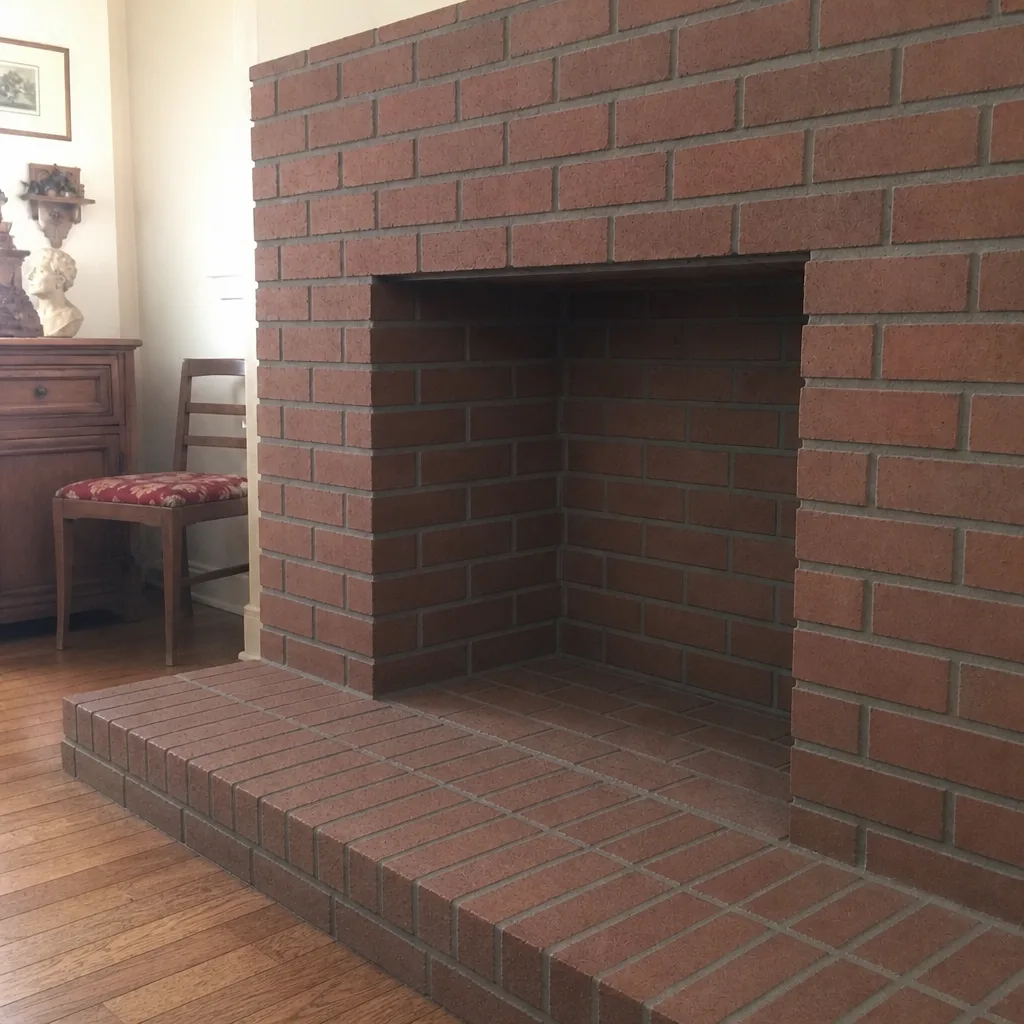
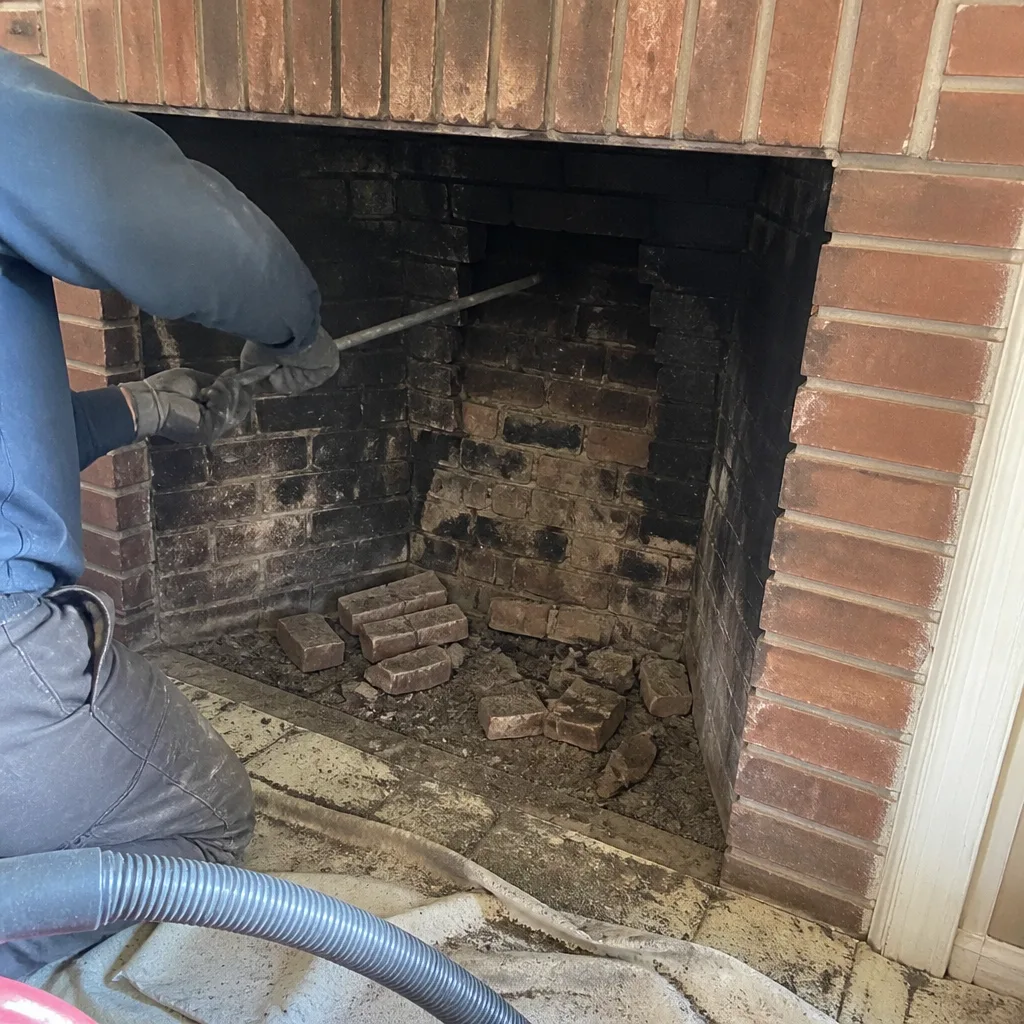
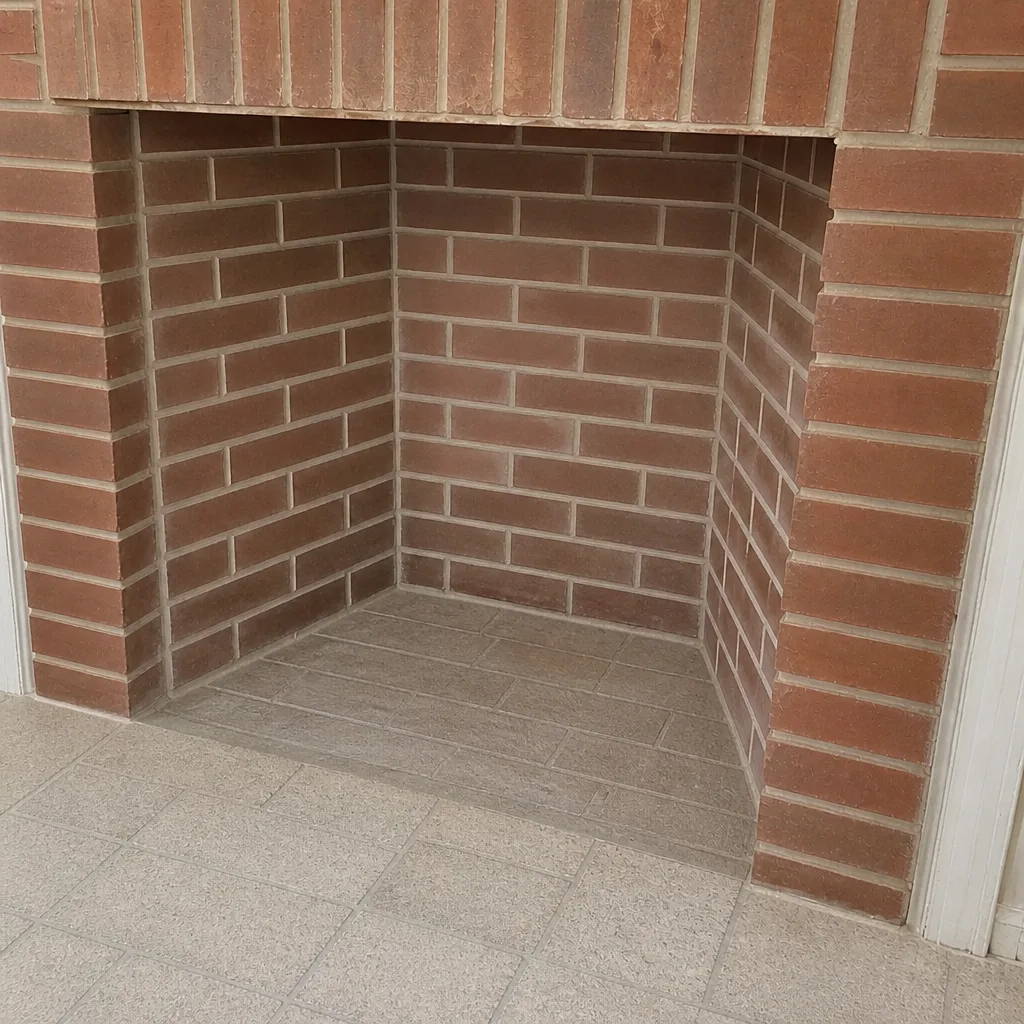
See the difference
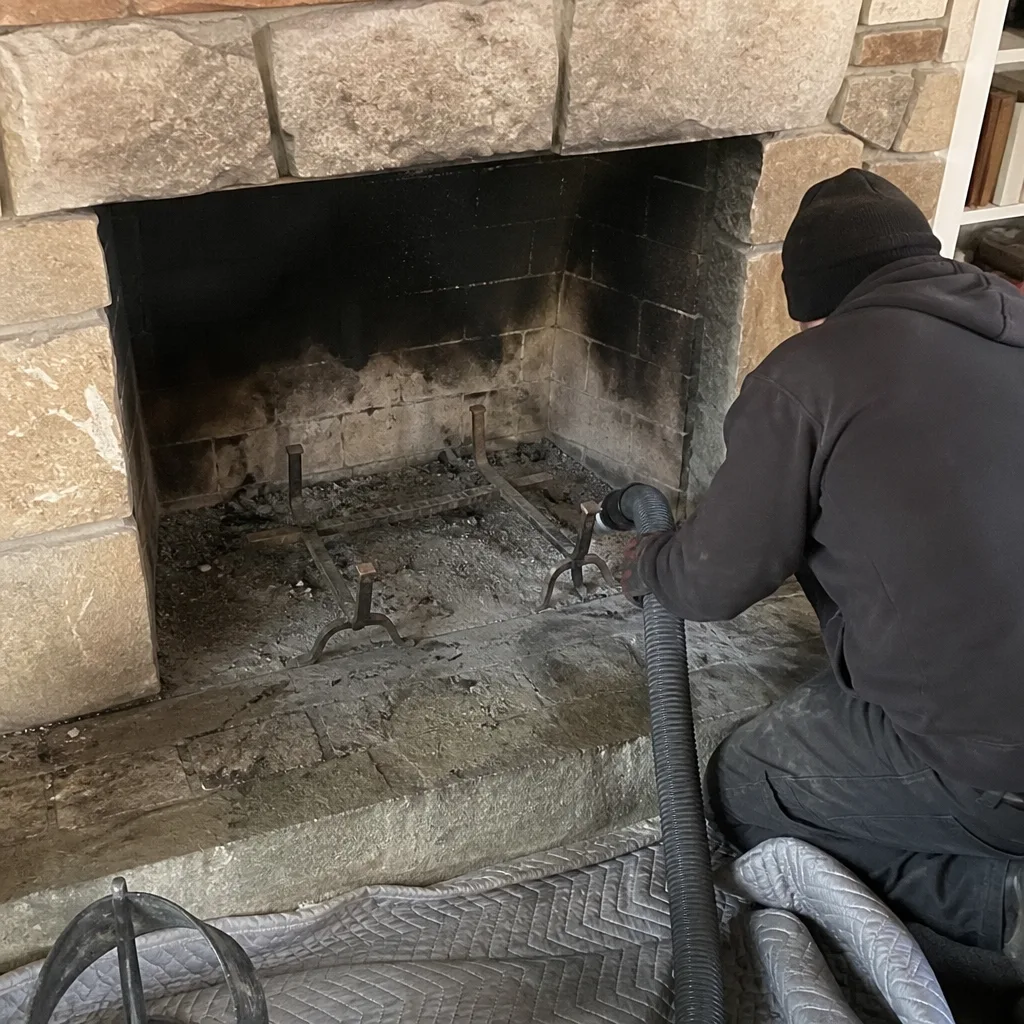 Before
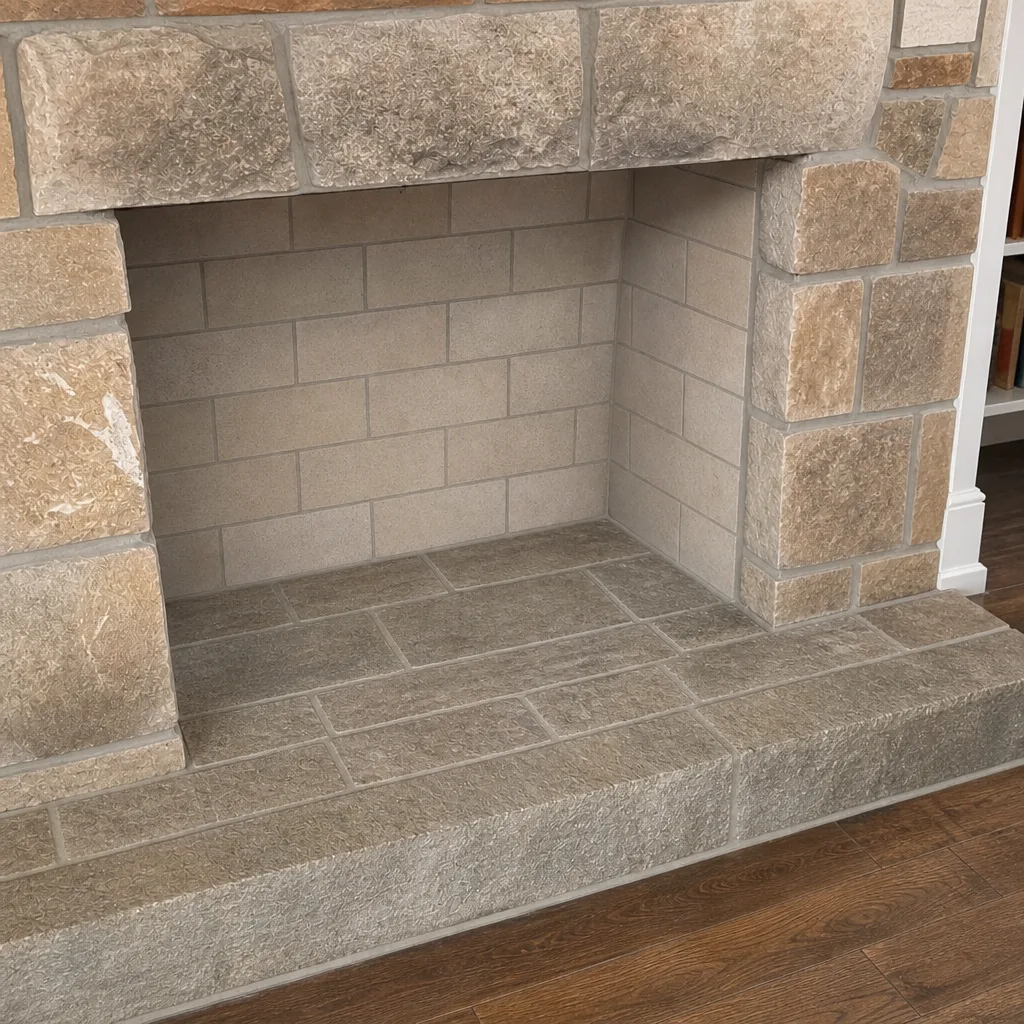 After
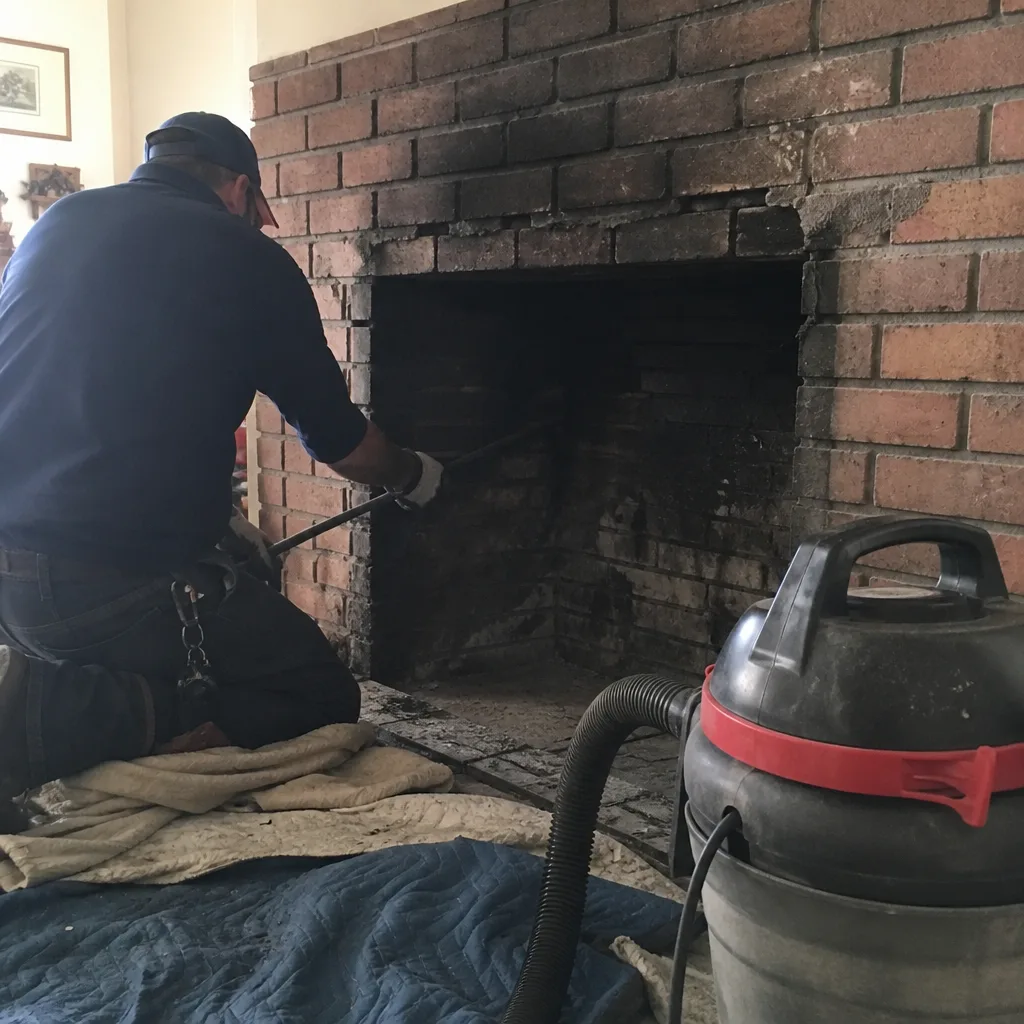 Before
 After
 Before
 After
When to Call a Professional
Some situations move straight past the DIY-versus-pro question and become a call-a-professional-now situation. If your chimney has never been swept, or it’s been more than a year of regular burning, that’s likely a professional sweep. If you smell a strong burnt, smoky, or chemical odor when the fireplace isn’t in use – that can be a sign of a draft problem or an undetected creosote accumulation and worth an inspection. If you see black staining at the top of the chimney, cracked or missing crown sections, a loose or missing cap, or glazed deposits visible from the firebox, don’t sweep it yourself. If any smoke enters the room when you light a fire, that’s a draft or blockage issue, not a cleaning issue. And if you’re hiring out, look at a chimney-only specialist rather than a general contractor who sweeps on the side.
Chimney Sweep Tottenville offers free estimates in Tottenville. We work with professional-grade products from DuraFlex, HeatShield, Gelco, Olympia Chimney, Famco, and Copperfield, and we pair every sweep with a documented inspection. Call (855) 507-5849. We answer 24/7. Fast dispatch from 7am to 7pm, Sunday through Friday.
Frequently Asked Questions
You can safely remove firebox ash, do a visual cap check from the ground, and spot-check exterior masonry between professional visits. You cannot safely sweep a chimney that has stage two or stage three creosote, inspect the liner, or assess structural condition without professional tools and training. Most Tottenville homeowners who try a full DIY sweep get a lightly-cleaned flue with the glazed creosote still in place. Call (855) 507-5849 for an exact quote – estimates are free.
A standard chimney sweep in the Tottenville market typically falls around $180 to $340, depending on flue accessibility, creosote accumulation, and whether the flue needs extra cleaning. Adding a full camera inspection moves the estimate up modestly and is worth doing. The written estimate sets the final price. Call (855) 507-5849 for an exact quote – estimates are free.
Most Tottenville homes burning regularly through the winter should be swept and inspected annually. Households that burn only occasionally can usually go slightly longer, but rarely more than two seasons without a professional look. The heating climate here means more burns per season than mild-climate homes, which speeds creosote accumulation. Annual sweep and inspection is the conservative cadence.
Creosote accumulates in stages and moves toward glazed stage three, which is highly combustible and the most common fuel for a chimney fire. Cracked liner tiles and joint gaps can also go unnoticed for years, letting water, heat, and exhaust into the masonry. Neither problem announces itself from the firebox. Call (855) 507-5849 for an exact quote – estimates are free.
Not necessarily. A liner recommendation should always be based on camera inspection evidence you’ve seen, and you should ask whether the repair can safely wait a season. Sometimes resurfacing with HeatShield is the right answer; sometimes a full relining with DuraFlex or Olympia Chimney is. Sometimes nothing is needed. Nothing should be recommended without evidence. Call (855) 507-5849 for an exact quote – estimates are free.
Insurance companies don’t automatically deny claims because a homeowner swept their own chimney, but the absence of documented professional maintenance makes the claim investigation harder. A written record of professional sweeps and inspections is what an adjuster asks for after a chimney fire. We can work with your insurer if that question comes up.
The Bottom Line
The line between DIY and professional chimney care is more specific than the general advice suggests. Ash removal, ground-level cap checks, and exterior spot-checks are safe and useful. Anything inside the flue, anything that touches creosote past stage one, anything involving the liner, the smoke chamber, the crown, or the firebox structure is professional territory. The cost of a professional sweep is modest compared to what a missed stage three creosote deposit or a failing liner costs years later. And if you do hire, ask for the camera evidence and the maintenance record – those two things do most of the work of protecting your home and your claim.
If you’re in Tottenville and you’re not sure which side of the line your chimney is on, that’s a conversation a specialist can settle quickly with a sweep and an inspection. Chimney Sweep Tottenville offers free estimates in Tottenville. Call (855) 507-5849. We answer 24/7. Fast dispatch from 7am to 7pm, Sunday through Friday.
Written by the team at Chimney Sweep Tottenville.