
Last updated November 25, 2026
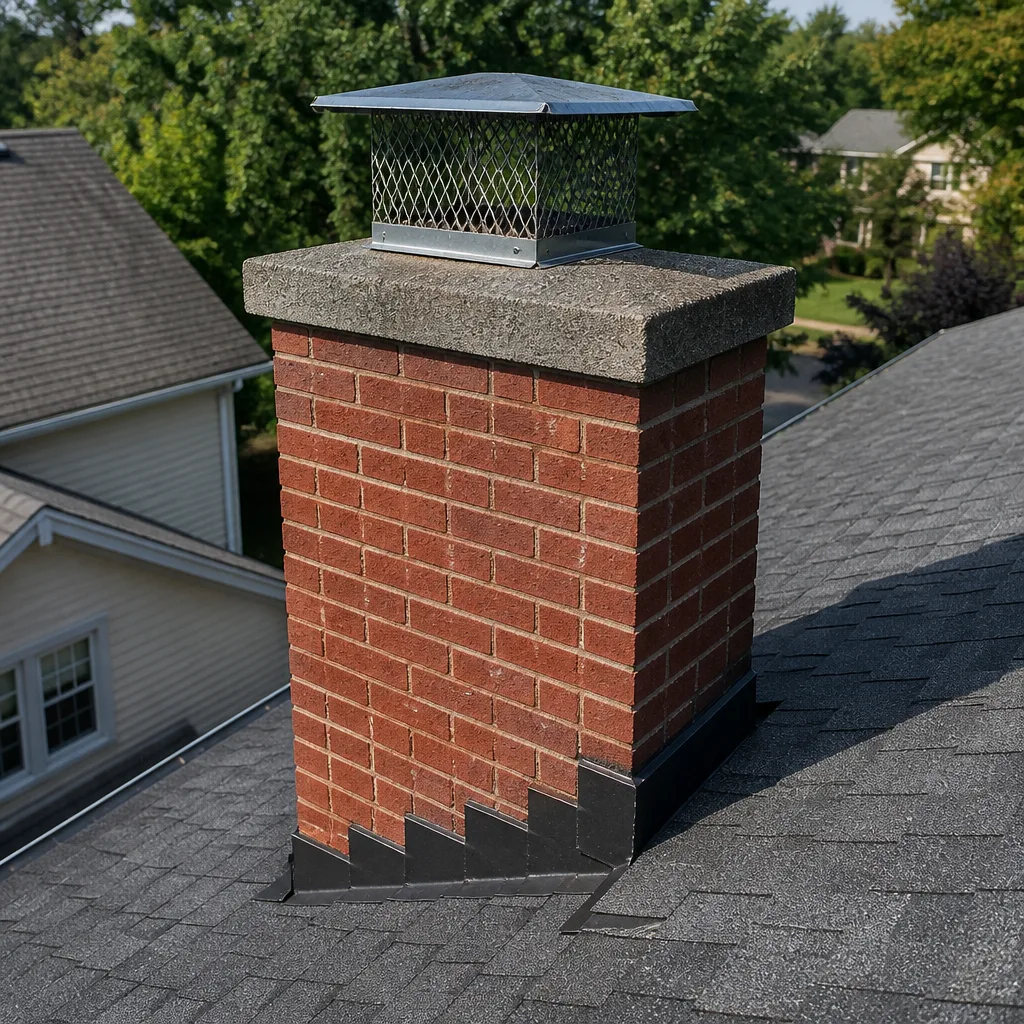 Sweep & inspection
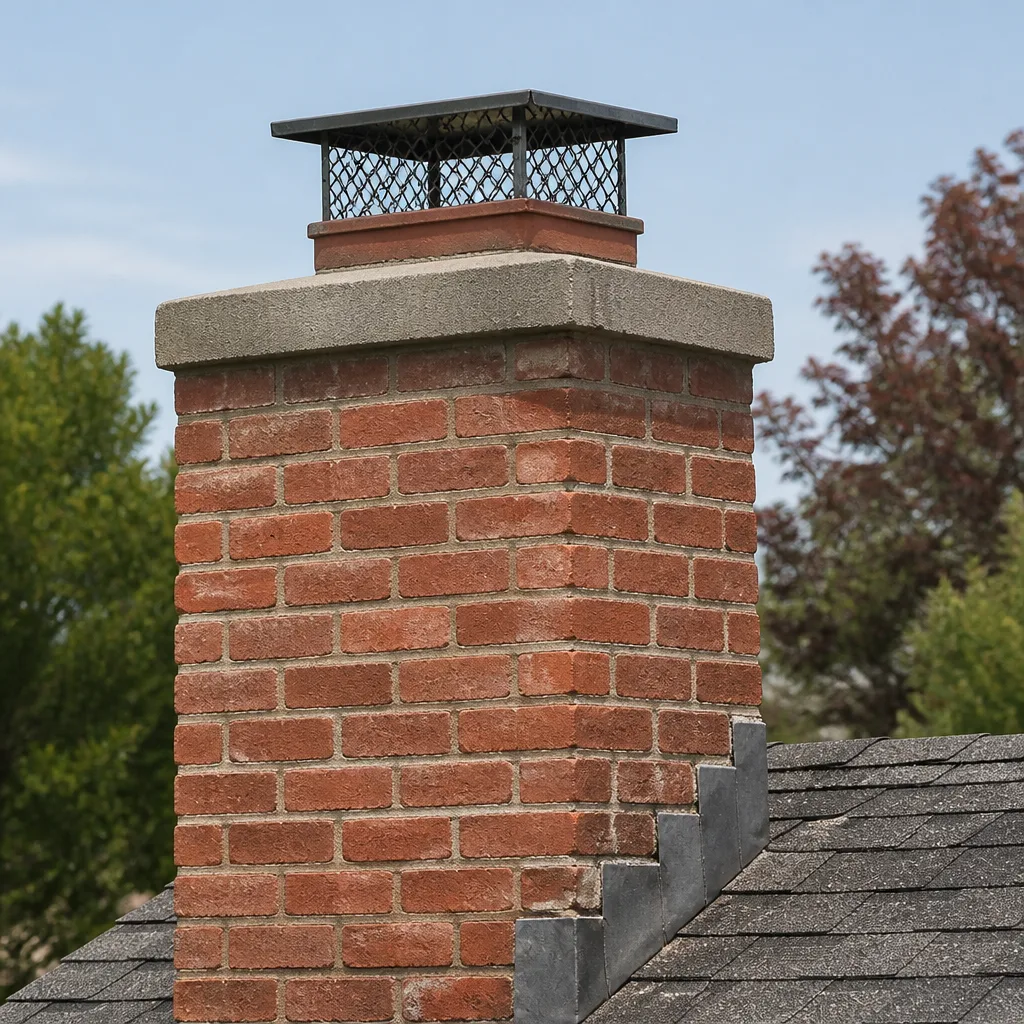 Caps & crowns
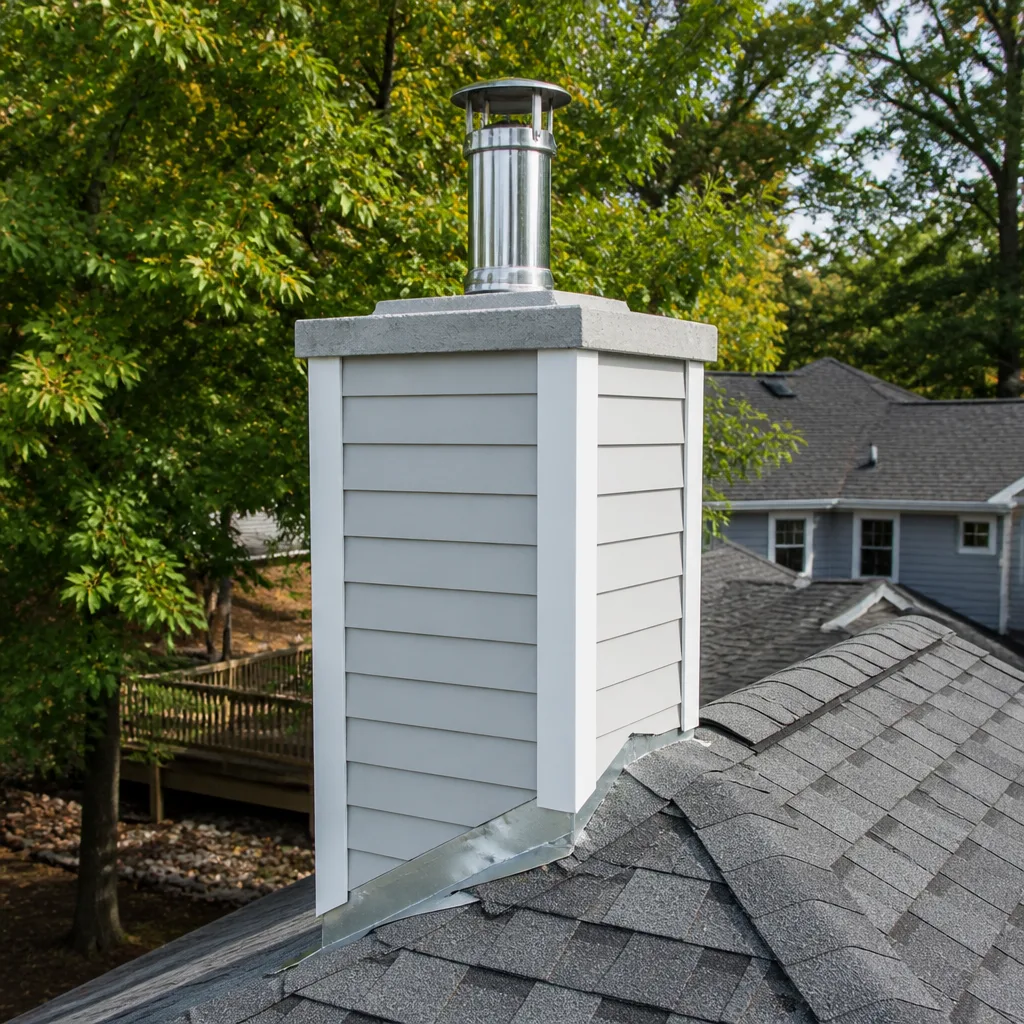 Flue relining
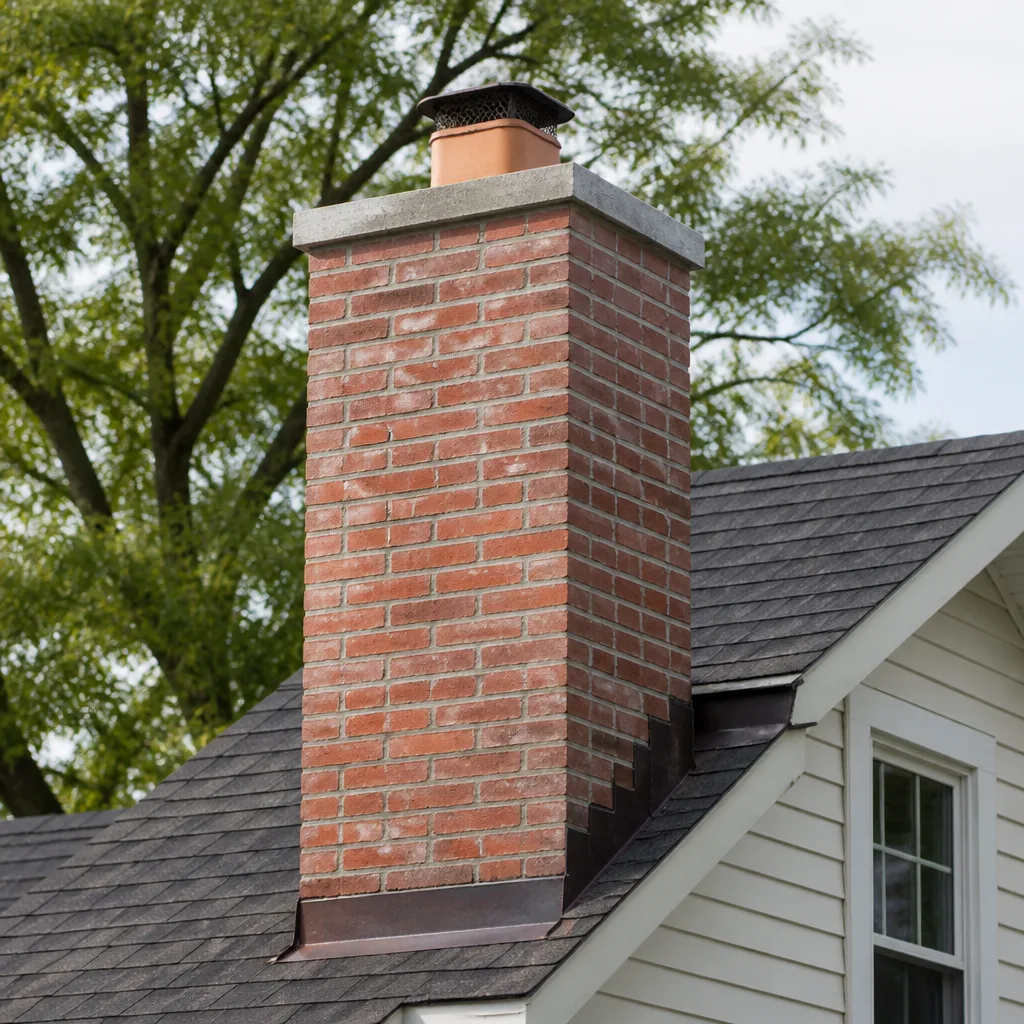 Masonry repair
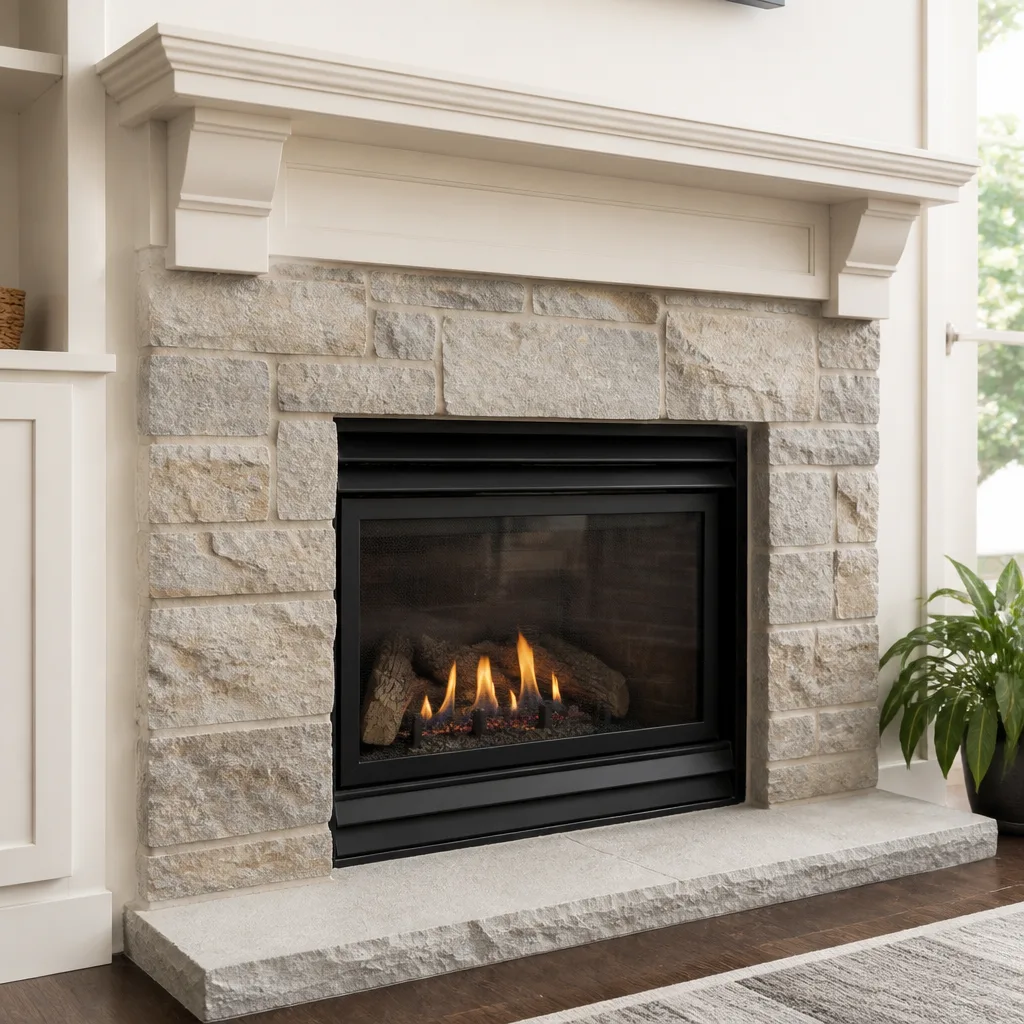 Gas fireplace service
Level 1 sweep and inspection to the NFPA 211 annual standard - flue, crown, cap, and flashing checked and photographed
Chimney sweep logs do not sweep chimneys. They loosen some creosote - which then falls where a brush and vacuum still have to collect it.
How to Hire a Chimney Cleaning Contractor in Tottenville: A Step-by-Step Guide
Here’s the part most homeowners never hear: a chimney sweep doesn’t need a New York State contractor license to knock on your door. Chimney work sits in a licensing gap, which means the person standing in your living room may have learned the trade from a video, or may have spent years earning certifications you’d never think to ask about. You’re the last line of defense between your family and the wrong hire, and the good news is that the right questions take about ten minutes to ask. This guide walks you through every step of hiring a chimney cleaning contractor in Tottenville, from the first phone call to reading the written report, so you know exactly what a good answer sounds like.
Quick Answer
To hire a chimney cleaning contractor in Tottenville, verify CSIA certification and active insurance before you book, ask five specific questions on the phone, and insist on an itemized written quote paired with a camera inspection report. A legitimate sweep will welcome every one of those checks, put findings in writing with photos, and never pressure you into work you can’t see evidence for.
Styles & brands we work with
- Sweep & inspection
- Caps & crowns
- Flue relining
- Masonry repair
- Gas fireplace service
Table of Contents
- Why Hiring the Right Contractor Matters in Tottenville
- Step 1: Understand What CSIA Certification Actually Means
- Step 2: Ask the Five Questions That Separate Specialists from Generalists
- Step 3: How to Read a Chimney Cleaning Quote
- Step 4: Why the Cheapest Bid Usually Costs the Most
- Step 5: Check for Active Insurance Coverage
- Step 6: Pair Every Sweep With an Inspection You Can See
- Step 7: Time the Work Around Tottenville’s Heating Season
Why Hiring the Right Contractor Matters in Tottenville
Tottenville sits at the southern tip of Staten Island, and the housing stock here tells a story. Many homes are older, built with masonry chimneys that have had decades of wood smoke pushed through them. Some have been converted from oil to gas. Others still burn wood as a backup heat source when the weather turns. Each of those scenarios creates a different set of problems, and a generalist handyman who “also does chimneys” won’t recognize the difference between them.
A chimney is a system, not a hole in the roof. It has a flue liner, a crown, a cap, a firebox, a smoke chamber, and a damper, and every one of those components interacts with the others. When a liner cracks, heat and carbon monoxide can migrate into the structure of the house. When a crown fails, water finds its way into the masonry and freeze-thaw cycles do the rest. When the smoke chamber is poorly shaped, creosote accumulates in places a brush can’t reach.
None of that is visible from the living room. It’s only visible with a camera, a flashlight, and someone who knows what they’re looking at. That’s why the hiring decision matters more for chimney work than almost any other trade in the house: the consequences of getting it wrong are hidden until they aren’t.
We’re a chimney specialist, which means our entire skill set is built around flue and fireplace systems. We’re not a general contractor with a brush in the truck. That focus is the difference between a sweep that finds a problem and a sweep that doesn’t know to look for it. If you want a sense of what full-spectrum chimney care looks like under one roof, you can start with Chimney Sweep Tottenville.
Step 1: Understand What CSIA Certification Actually Means
CSIA stands for Chimney Safety Institute of America, and its certification is the baseline credential in this trade. A CSIA-certified sweep has passed a written exam and agreed to a code of ethics. It’s not a license, and it’s not mandatory in New York, but it’s the closest thing the industry has to a standard. If a contractor can’t tell you they’re certified, that’s your first signal.
How to verify CSIA certification in under two minutes
- Ask the contractor for their CSIA certification number during the phone call.
- Go to the CSIA website and use their “Find a Professional” search.
- Enter the contractor’s name or your ZIP code and confirm the listing appears.
- Cross-check that the name on the CSIA listing matches the name on the quote.
That’s it. Two minutes. If the contractor hedges, says “we’re in the process,” or claims certification that doesn’t show up in the search, walk away. A legitimate company will give you the number without hesitation.
Why certification is the floor, not the ceiling
Certification proves a technician passed an exam and agreed to standards. It doesn’t prove they’ve worked on your type of chimney, that they carry current insurance, or that they know how to install a HeatShield lining system correctly. Those are separate qualifications, and they matter.
What certification does give you is a floor. Below it, you’re gambling. Above it, you still need to ask the next set of questions. Think of CSIA certification as the minimum you should accept, and everything else as the evidence that separates a competent sweep from an excellent one.
Our technicians have up to 10 years of experience, and every one of them works exclusively on flue and fireplace systems. That’s a different kind of qualification than a generalist who passed a test but spends most of their week on gutters.
Step 2: Ask the Five Questions That Separate Specialists from Generalists
The phone call is where most hiring decisions are actually made. Ask these five questions before you book, and listen carefully to how the answers are phrased. A specialist answers with specifics. A generalist answers with vague reassurances.
1. What percentage of your work is chimney-specific?
You want a number above 90 percent. A dedicated chimney contractor will say “all of it” or close to it. A handyman will say “we do a bit of everything.” Chimney-only specialization means every technician’s skill set is built entirely around flue and fireplace systems, not divided across unrelated trades.
2. What brands of liner and repair materials do you install?
This question separates the trade-level contractors from the ones who buy whatever’s on sale at the supply house. A specialist will name specific brands, like DuraFlex, HeatShield, Gelco, or Olympia Chimney, and explain why each one is appropriate for a particular job. HeatShield and DuraFlex familiarity signals liner restoration and relining capability, which is technically demanding work that sweep-only companies can’t offer.
3. Do you include a camera inspection with every sweep?
The answer should be yes, and the inspection should come with photos or video you can review. If the answer is “only if you ask” or “only for an extra fee,” keep calling.
4. Do you carry liability insurance and workers’ compensation?
The answer is yes, and the next sentence should be “we’ll send you a certificate.” More on that in Step 5. Anyone who hesitates on this question is a risk you don’t want to absorb.
5. What’s included in the flat price, and what would trigger an additional cost?
A specialist will itemize: sweep, inspection, photo report, cleanup. They’ll explain that a cap or crown repair is quoted separately and only if it’s needed. A generalist will say something like “it depends” without defining what it depends on.
When the phone answers warmly and the answers come back specific, you’re on the right track. From annual sweep to full structural repair, one call should reach one specialist. If you’re ready to test those questions, call (855) 507-5849. We answer 24/7. Fast dispatch from 7am to 7pm, Sunday through Friday.
Step 3: How to Read a Chimney Cleaning Quote
A chimney cleaning quote tells you almost everything you need to know about the contractor who wrote it. Vague quotes hide missing work. Itemized quotes invite you to compare. And a quote that’s dramatically lower than everyone else’s is usually missing the most important line item: the inspection.
What a proper quote should itemize
- Sweep scope: which flue or flues are being cleaned, and what method is used.
- Inspection level: Level 1, 2, or 3, with the camera equipment named.
- Photo or video report: included or extra, and how it’s delivered.
- Cleanup: drop cloths, HEPA vacuum, hauling away debris.
- Separately quoted items: cap, crown, liner, damper, or masonry repairs, each with its own line and price range.
- Total flat price: the number you’ll actually pay, agreed before the technician arrives.
What vague line items mean
If you see “chimney service – $X” with no breakdown, that’s not a quote, it’s a placeholder. It gives the contractor room to add findings on-site without your agreement. If you see “inspection available upon request,” it means the inspection isn’t built into the price, which means the sweep may finish before anyone looks up the flue.
What a “too low” price signals
A quote far below the local range usually means one of three things: no camera inspection, no insurance, or a sweep-and-upsell model where the low price is a door-opener for a high-pressure liner pitch. None of those are bargains. The written estimate should set the final price, and the final price should match the quote unless you approve additional work based on evidence you’ve seen.
Step 4: Why the Cheapest Bid Usually Costs the Most
Over three years, the cheapest bid in Tottenville tends to be the most expensive outcome. Not because of one dramatic failure, but because of three small ones stacking up.
First, the cheap sweep skips the camera inspection. A cracked liner or a failing crown goes undetected for another season, and what would’ve been a modest repair becomes a structural job. Second, the cheap sweep uses a drop cloth instead of a proper containment setup, and soot finds its way into places you’ll be cleaning for months. Third, the cheap sweep doesn’t document anything, so when you sell the house or your insurer asks, you have no record of what was done.
The math is different for a specialist. A properly documented sweep with a camera inspection produces a report you can act on. If the report is clean, you’re done for the year. If it flags something, you fix it while it’s small. From preventive maintenance through component replacement through full structural repair, the specialist covers the complete lifecycle of your chimney, which means you’re not calling three different contractors over three different seasons.
We work exclusively with professional-grade materials from brands like DuraFlex, HeatShield, and Copperfield, because the material choice is part of the warranty and part of the outcome. A cut-rate sweep installing a cut-rate liner gives you a cut-rate result, and the difference shows up three winters later.
When you’re comparing quotes, compare what’s included, not just the bottom number. A $200 sweep with no inspection is more expensive than a properly scoped job that catches a problem before it grows.
Step 5: Check for Active Insurance Coverage
A verbal assurance that a contractor is “fully insured” is worth nothing. You need a certificate of insurance, and you need to read the dates on it. Here’s why it matters more than any other step in this guide.
If a technician falls off your roof while sweeping your chimney, your homeowner’s policy can be on the hook if the contractor doesn’t carry workers’ compensation. If a technician cracks a flue tile and the damage isn’t discovered until months later, liability coverage is what makes the repair possible without a lawsuit. Insurance is the invisible part of the contract, and it’s the part most homeowners never check.
How to request and read a certificate of insurance
- Ask the contractor to email a current certificate of insurance before the appointment.
- Confirm the certificate shows general liability coverage and workers’ compensation coverage.
- Check that the policy effective dates cover the date of your scheduled work.
- Verify the certificate lists your contractor’s legal business name, not a trade name that differs from what’s on the quote.
- If anything is missing or the dates don’t cover the work, call and ask before you confirm the appointment.
The local pro we connect you with should be licensed and insured as their state requires. Requesting a certificate is standard practice in the trades, and a professional will send it without hesitation. If a contractor resists, treats the request as an insult, or says “we’ve never had a claim,” that’s the one to skip.
Step 6: Pair Every Sweep With an Inspection You Can See
Most chimney problems are caught during inspection, not after a fire. That’s why the sweep and the inspection should always travel together. A sweep without an inspection is a house cleaning without a light.
The three inspection levels are worth understanding because quotes usually conflate them.
Level 1 inspection
A visual check of all accessible parts of the chimney and flue, usually with a flashlight and basic tools. Appropriate when the appliance hasn’t changed and there’s no known problem. This should come with every routine sweep.
Level 2 inspection
A camera inspection of the flue interior, recording video or photos you can review. Required when the appliance changes, when a property is sold, after a chimney fire or seismic event, or when the homeowner wants to understand the full condition. This is the inspection level you should insist on if you haven’t had one recently.
Level 3 inspection
An inspection that requires access to concealed areas, sometimes with removal of parts of the chimney. Rare, and only warranted when a Level 2 finds something that needs direct confirmation.
For most Tottenville homeowners, a Level 2 inspection with a photo report is the standard, and it’s what a specialist will recommend if you haven’t had one in a few years. This is also where your chimney sweep earns its value: the report tells you what’s actually there, and it tells you in writing.
If the report shows a damaged flue liner, the fix might involve relining with DuraFlex or resurfacing with HeatShield. Both are trained applications, and both are the kind of work a sweep-only company can’t do. That’s why hiring a full-spectrum specialist matters: the answer comes from the same person who found the problem.
Step 7: Time the Work Around Tottenville’s Heating Season
Chimney work has a rhythm in Tottenville that follows the burning season. Late summer and early fall are the natural window: the weather is still workable, the roof is accessible, and the inspection happens before you need the fireplace, not after. Waiting until the first cold snap means booking into a crowded schedule and discovering problems when you can’t easily fix them.
There’s a second reason to time it this way. A sweep in the fall clears out a full season of accumulated creosote before the next fire. A sweep in the spring clears out a winter’s worth just before the chimney sits unused for months. Both work; the fall sweep is easier to remember because the fireplace is about to come back online.
If the inspection reveals a cap or crown problem, you want the repair done before freeze-thaw cycles arrive. Water is the main cause of masonry damage in this climate, and a failed crown is the most common path for water to enter. That’s why we treat chimney cap & crown work as part of inspection follow-up rather than a separate project.
What to book in order
- Book the sweep and Level 2 inspection together for late summer or early fall.
- Review the photo report within a day or two of the visit.
- Schedule any cap, crown, liner, or masonry repair before the first hard freeze.
- Book a light cleaning in spring if you burn wood heavily through the winter.
If the inspection also turns up firebox or damper issues, the fireplace repair work is usually straightforward and can be scheduled alongside the chimney repairs so you’re not making two separate sets of appointments.
Common Mistakes to Avoid
- Hiring a generalist “handyman with a brush.” Chimney work looks simple until a cracked liner is missed. A specialist’s whole week is chimney work; a handyman’s chimney job is a fraction of their month.
- Skipping the certificate of insurance. A verbal “we’re insured” is not coverage. Request the certificate in writing and check the dates before the appointment.
- Accepting a sweep without a camera inspection. The sweep clears what’s reachable. The camera sees what isn’t. You want both, every visit.
- Choosing the lowest bid without reading the scope. The low number usually drops the inspection or the cleanup. Compare line items, not totals.
- Approving relining work with no photos to support it. A liner replacement is a significant repair. Ask to see the footage before you authorize it, and be suspicious of a contractor who resists.
- Ignoring the crown. A failed crown lets water into the masonry, and water damage in Tottenville winters is expensive to reverse. Fix it while it’s a crown, not while it’s a chimney rebuild.
- Cancelling the next sweep because “it looked fine last year.” Chimneys don’t announce their problems. The annual inspection is how you find them.
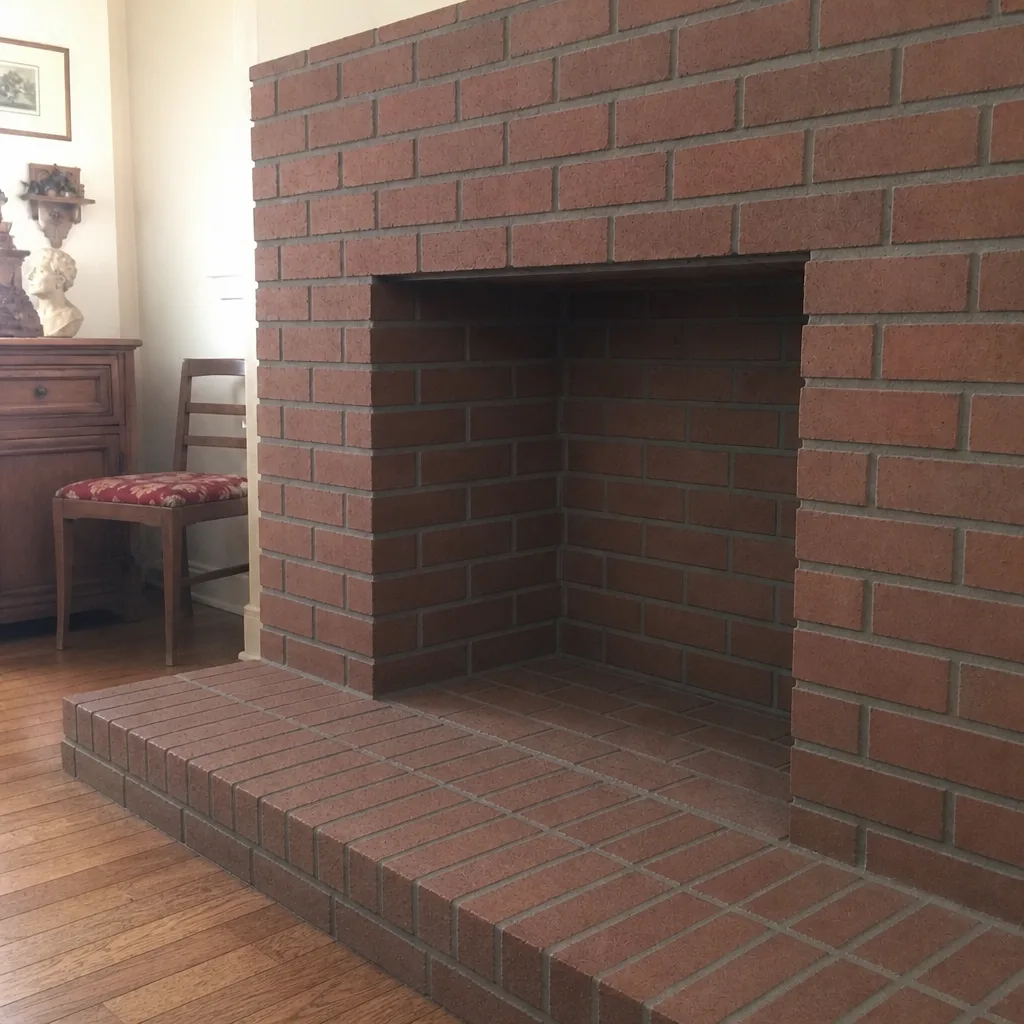
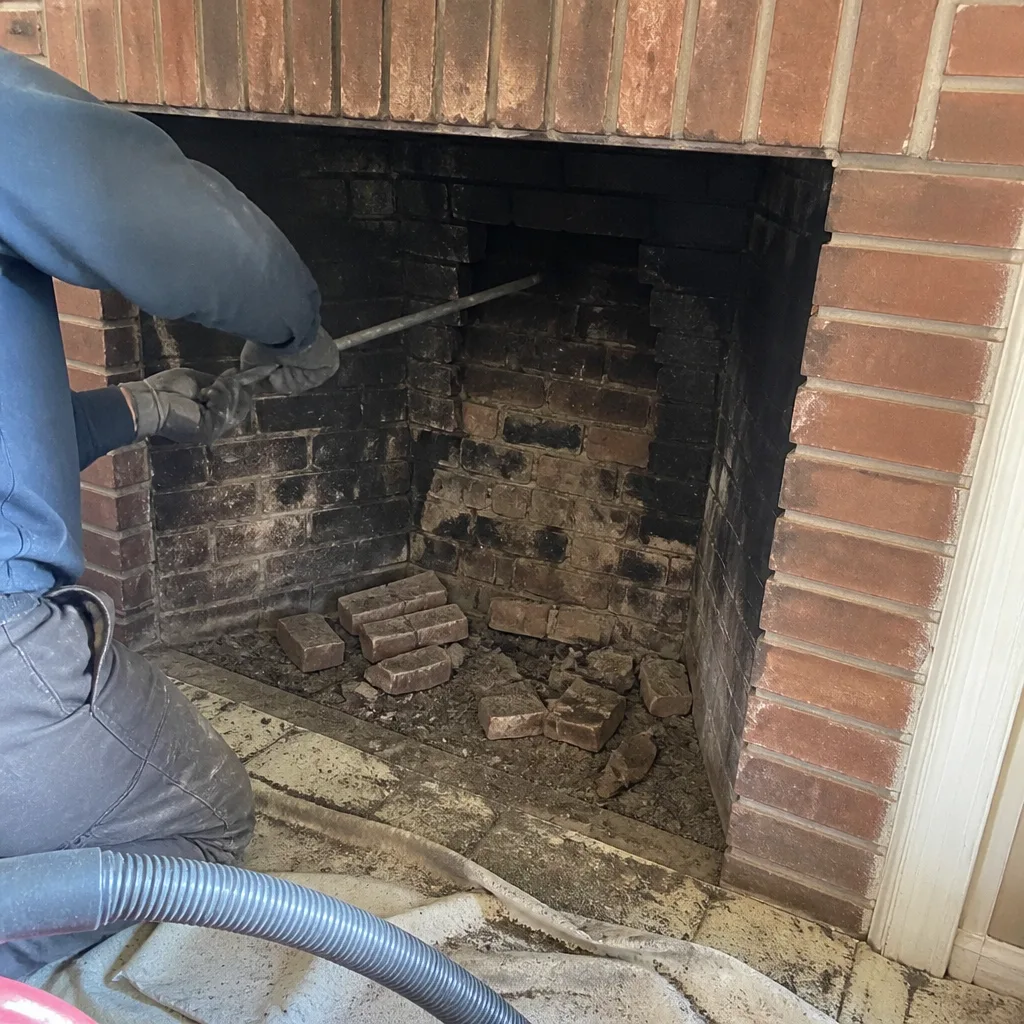
See the difference
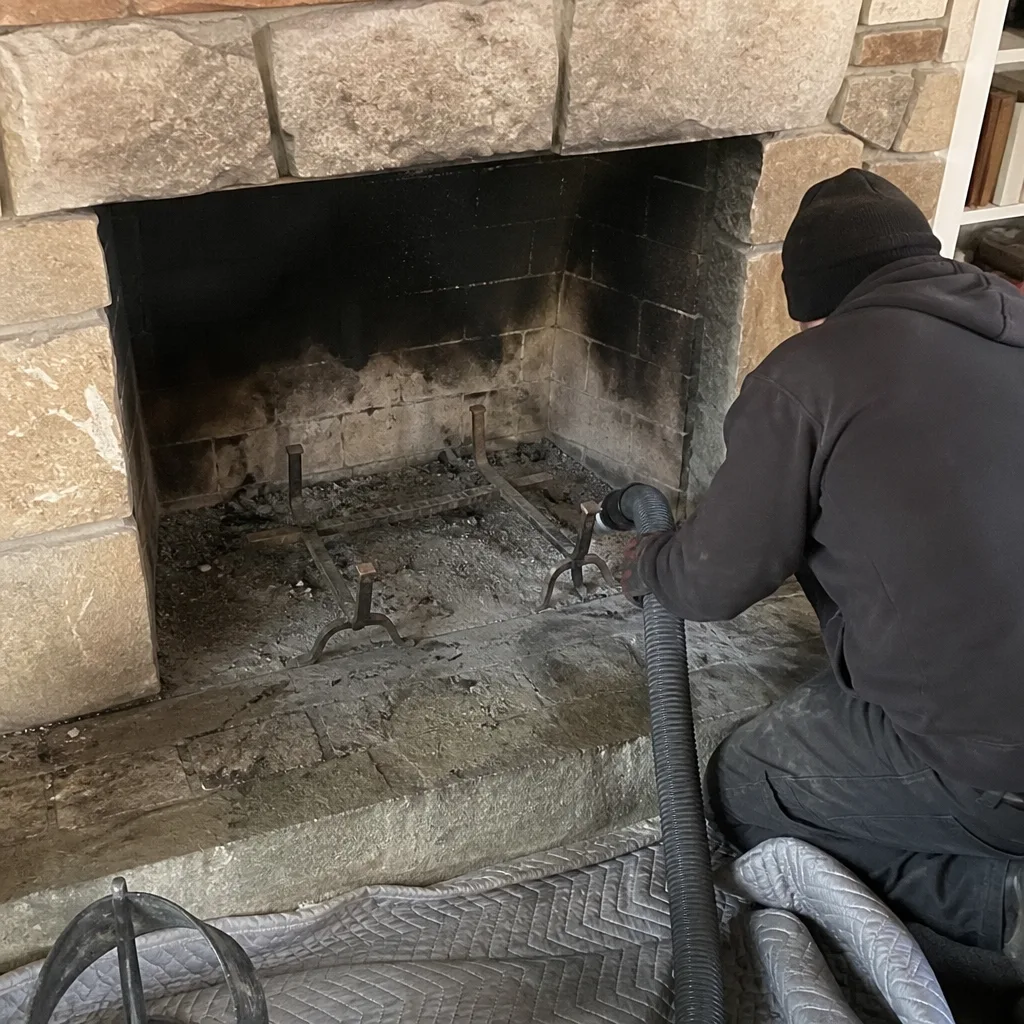 Before
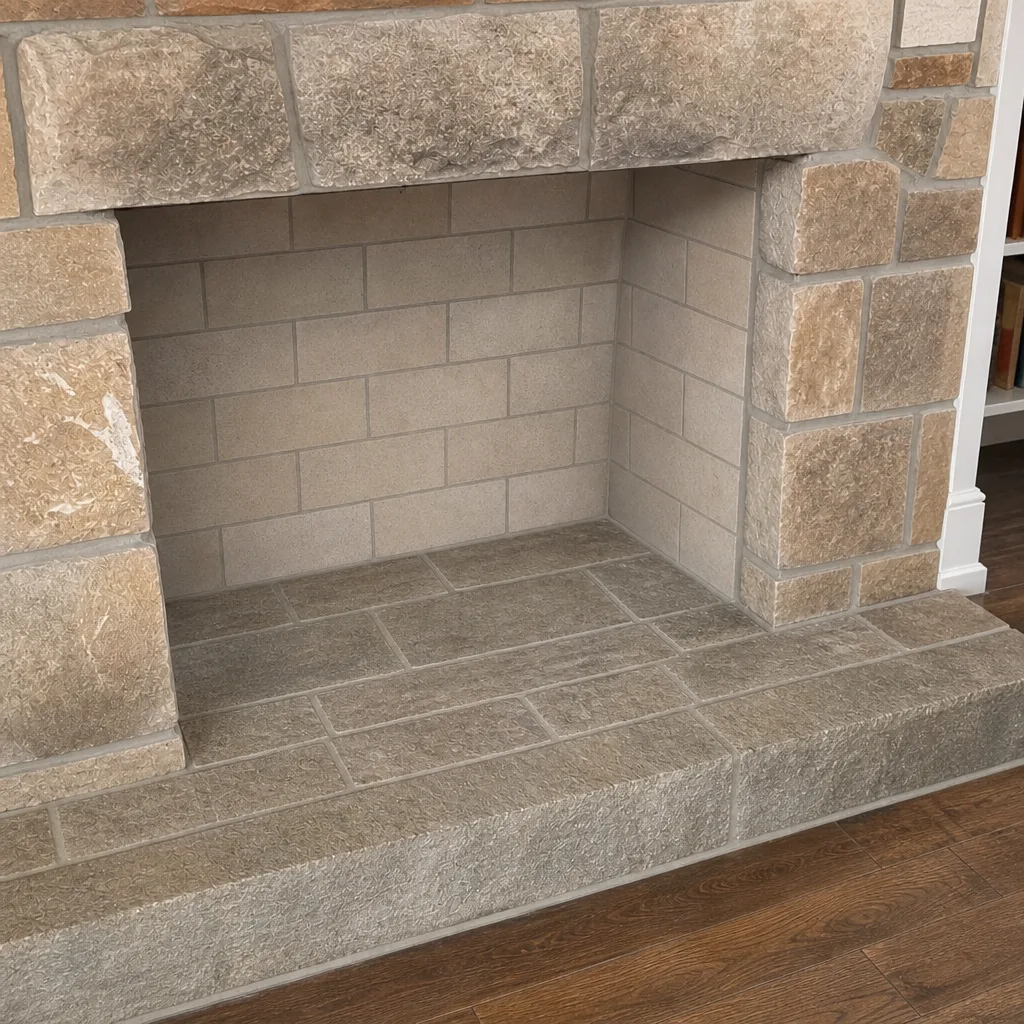 After
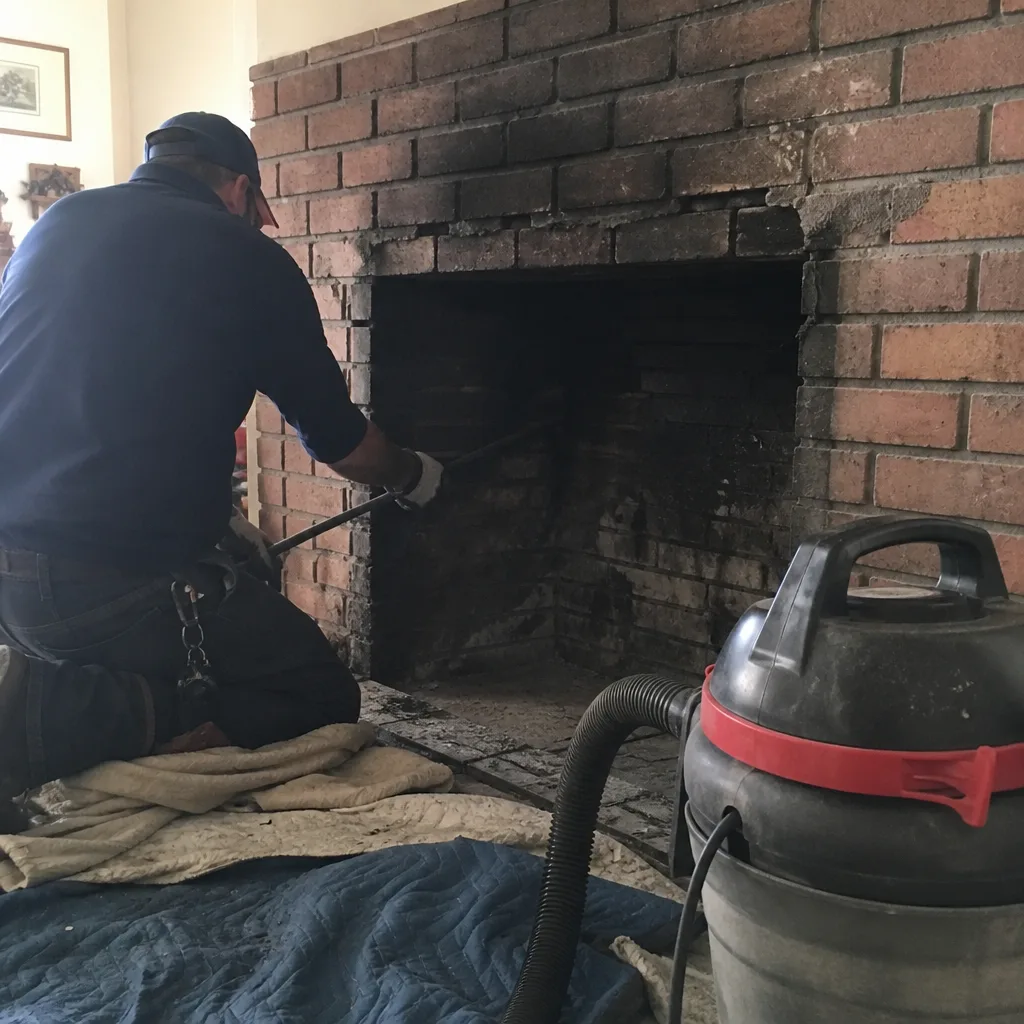 Before
 After
 Before
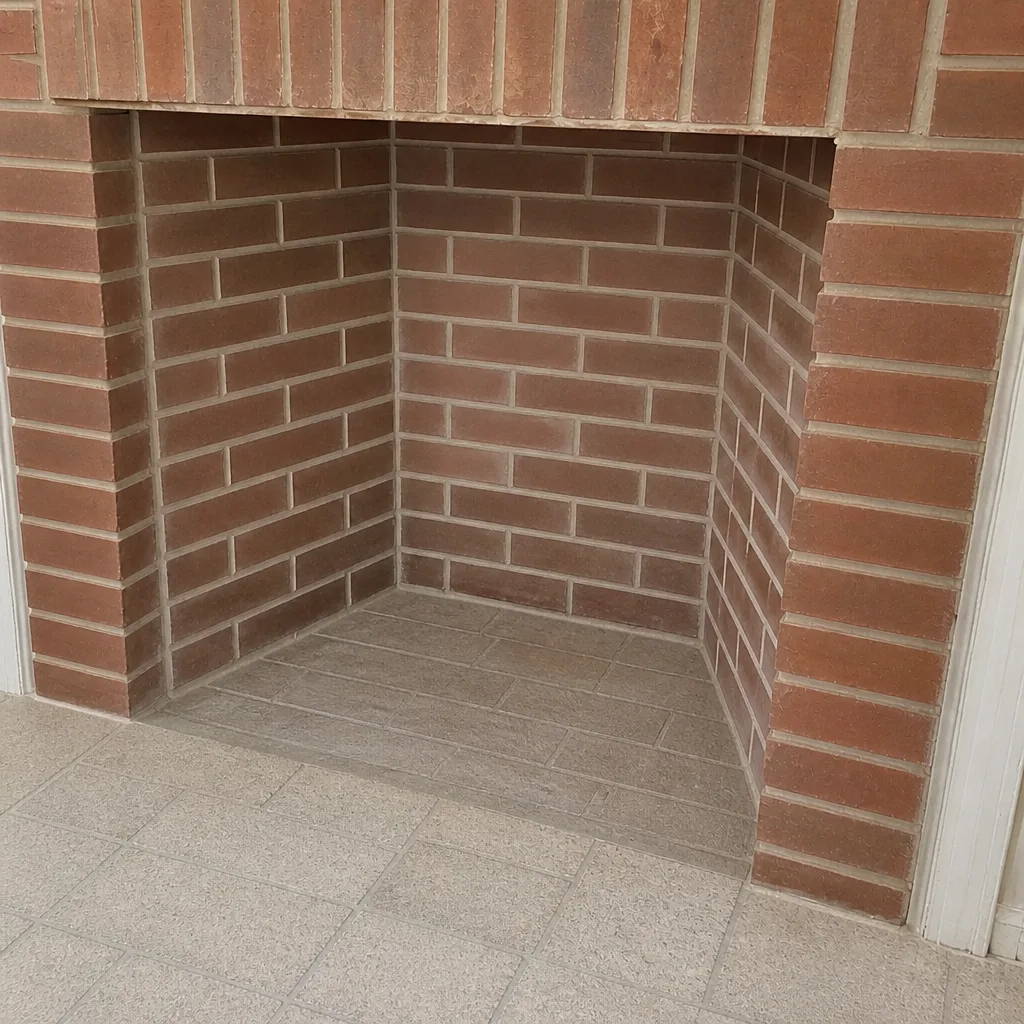 After
When to Call a Professional
Some chimney issues are obviously urgent: a strong creosote smell in the house, visible smoke escaping into a room rather than up the flue, cracked or missing masonry on the exterior, or a chimney that hasn’t been inspected in years. Those all warrant a call before the next fire. Others are quieter: a slight draft problem, a damper that sticks, a cap that’s bent after a wind storm. Those can wait a week or two, but not a season.
The one thing never worth deferring is an uninspected chimney in a home you’ve recently purchased. The previous owner’s habits are unknown, and a Level 2 inspection is the only way to know what condition the flue is actually in.
Chimney Sweep Tottenville offers free estimates in Tottenville. Call (855) 507-5849. We answer 24/7. Fast dispatch from 7am to 7pm, Sunday through Friday.
Frequently Asked Questions
A routine chimney sweep in Tottenville typically falls in the low-to-mid hundreds, and a sweep paired with a Level 2 camera inspection runs higher because of the equipment and time involved. Exact pricing depends on the flue configuration and the number of flues, so ask for a flat quote before the technician arrives. The written estimate should set the final price, and estimates are free. Call (855) 507-5849 for an exact quote.
You need a new liner if the camera shows cracks, gaps, or deterioration that allow heat or gases to escape the flue. You don’t need one based on a verbal claim alone. Ask to see the video footage before approving a liner replacement, and be suspicious of any contractor who resists showing it. Nothing should be recommended without camera evidence you can see for yourself, and a good contractor will say plainly when a repair can safely wait. Call (855) 507-5849 to schedule an inspection with a photo report.
A chimney should be swept once a year if you burn wood regularly, and inspected at the same time. If you burn occasionally, the annual inspection still applies, and the sweep can be scheduled based on what the inspection shows. Gas fireplaces need an inspection too, though less frequent sweeping. The one rule that doesn’t bend is the yearly inspection. Call (855) 507-5849 to book both in one visit.
Skipping the annual sweep and inspection lets creosote build up inside the flue and lets cracks, crown failures, and liner damage go undetected. Creosote is what fuels chimney fires, and a compromised liner is what lets carbon monoxide reach living spaces. The risk isn’t theoretical: those two failure modes are the ones a yearly inspection exists to prevent. Call (855) 507-5849 for a free estimate.
New York does not require a state contractor license specifically for chimney sweeping, which is why CSIA certification and insurance verification matter so much here. The homeowner has to check credentials that a licensing board would otherwise enforce. Ask for the CSIA number and the certificate of insurance before you book, and verify both. Call (855) 507-5849 and we’ll walk you through what we provide.
Same-day repair is sometimes possible, and we’ll tell you honestly whether a job can be completed on the day you call or needs a scheduled visit. Most sweeps and inspections are straightforward, and structural repairs get scheduled once the scope is clear. We answer 24/7; a call outside dispatch hours is booked into the next opening, Sunday through Friday, 7am to 7pm. Call (855) 507-5849 to talk through what your chimney needs.
The Bottom Line
Hiring a chimney contractor in Tottenville is a verification process, not a popularity contest. Check CSIA certification on the CSIA website, ask the five phone questions, insist on a camera inspection with photos, request the certificate of insurance, and compare quotes by scope rather than total. A specialist welcomes all of it. A generalist resists. The one thing worth remembering above everything else: a clean chimney is a safe chimney, and a documented inspection is the proof. Chimney work is all we do, which means it’s all we’re good at. Call (855) 507-5849 for a free estimate.
Written by the team at Chimney Sweep Tottenville.