
Last updated November 25, 2026
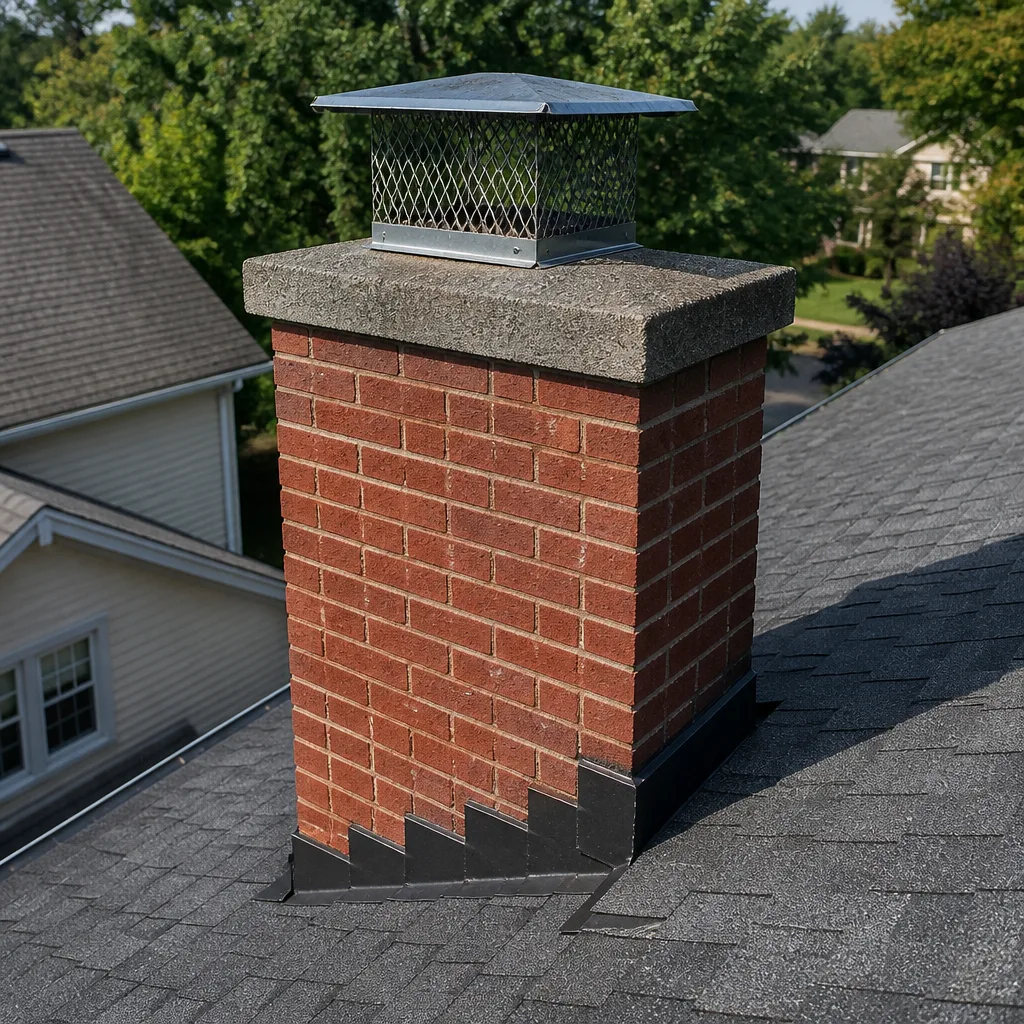 Sweep & inspection
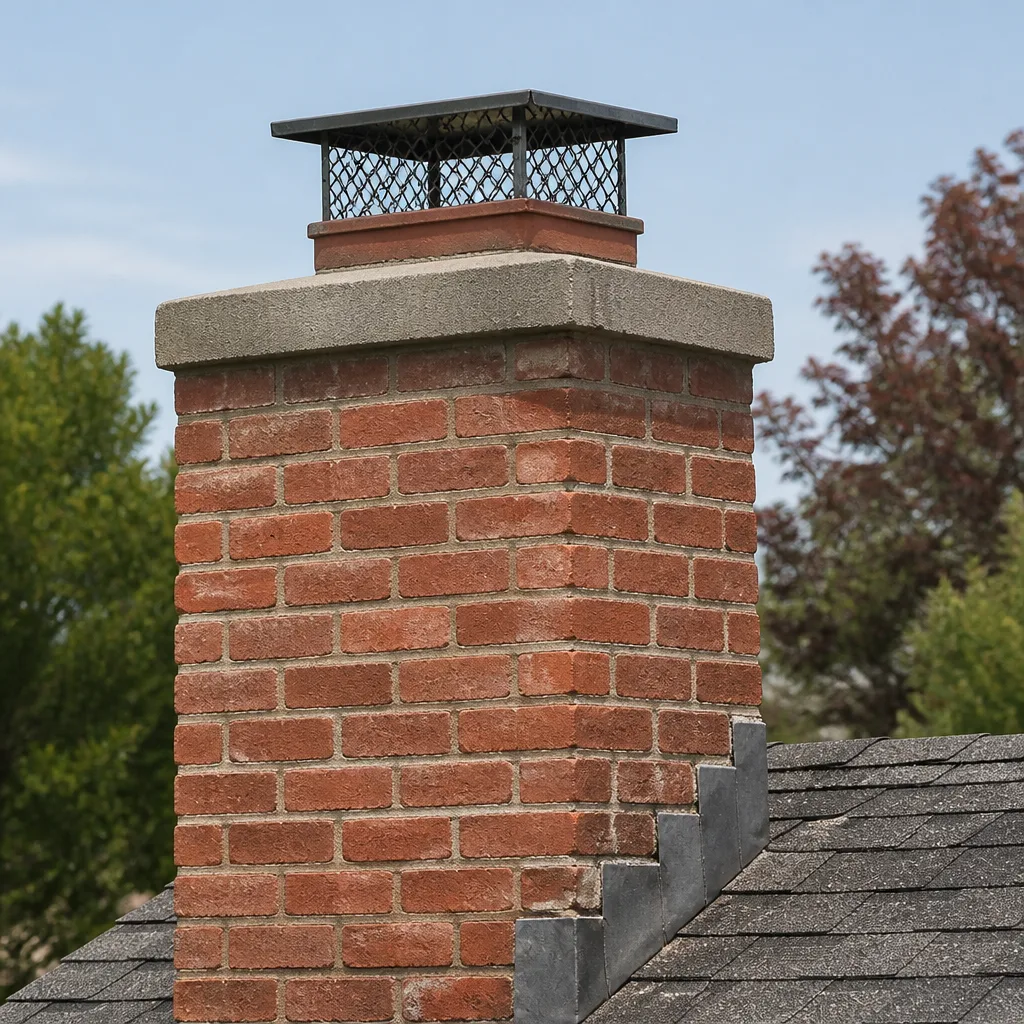 Caps & crowns
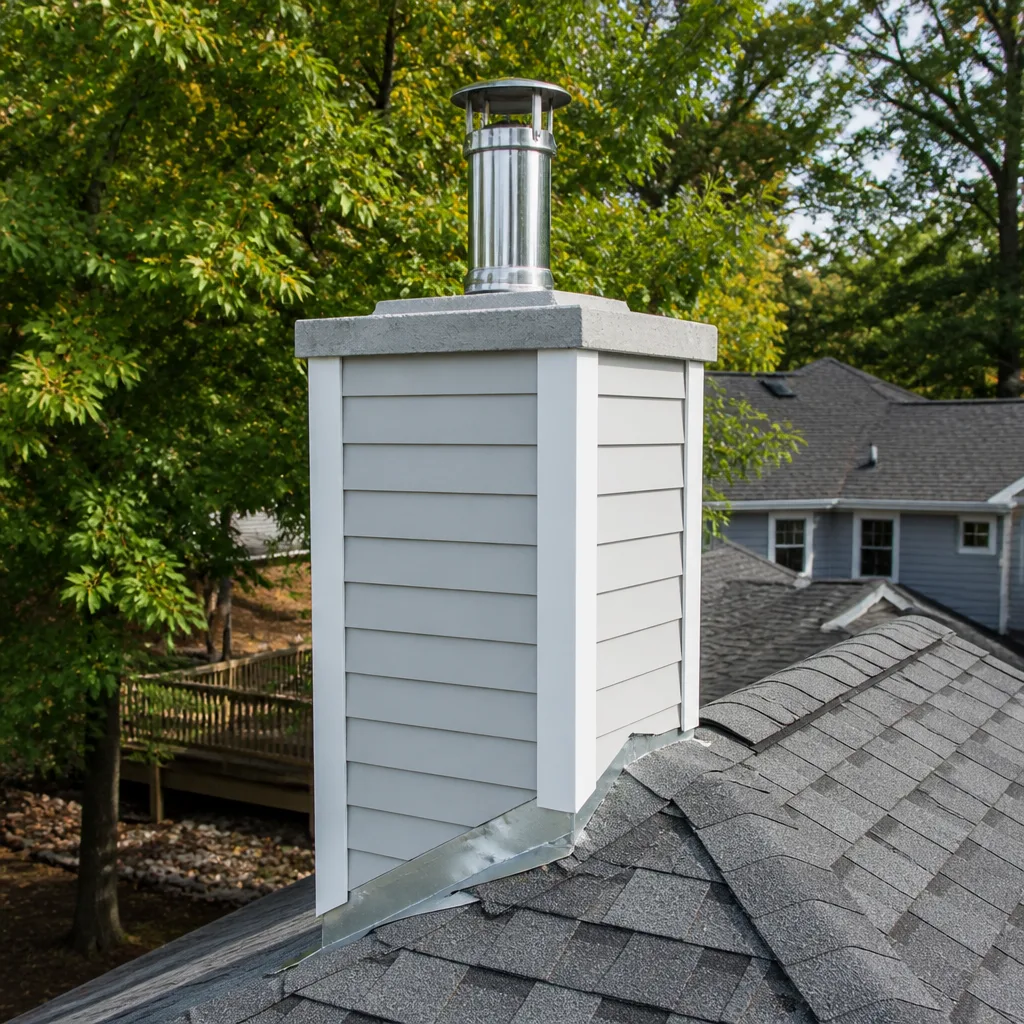 Flue relining
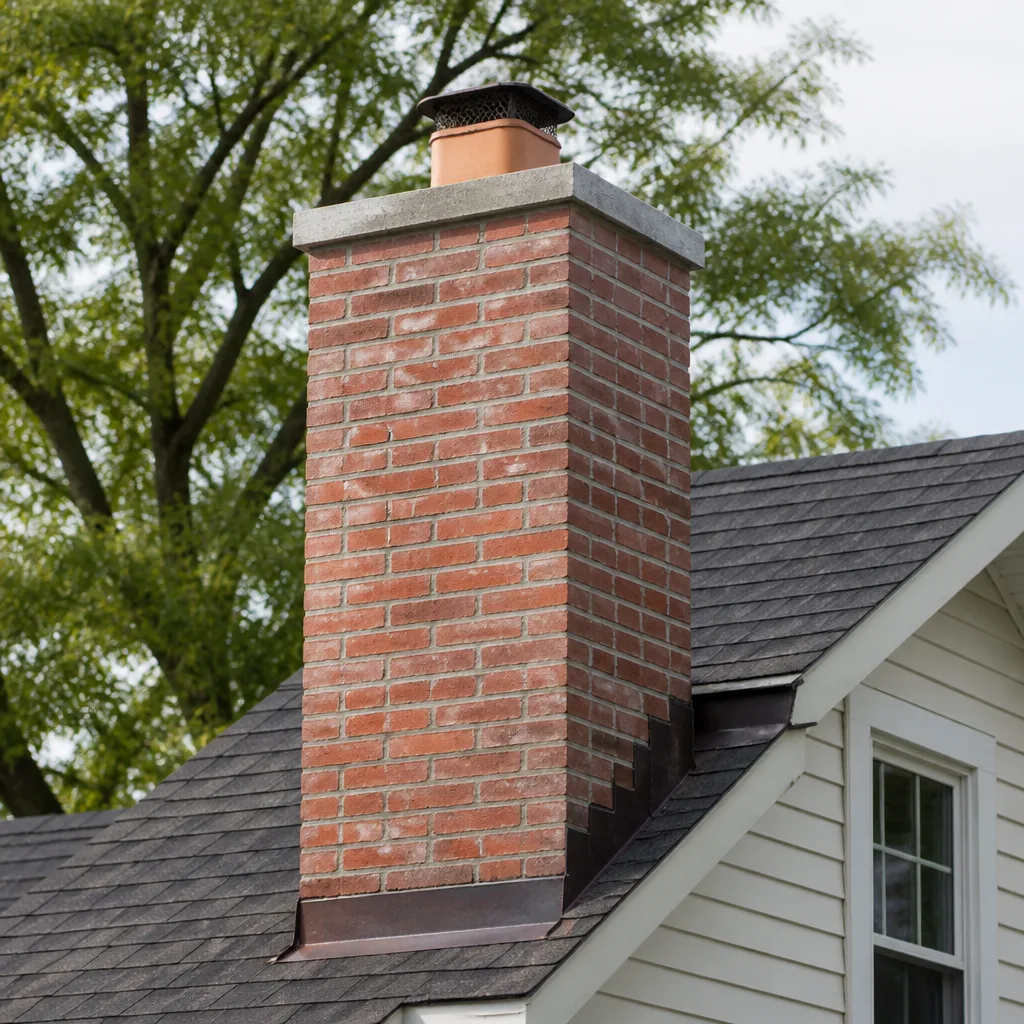 Masonry repair
 Gas fireplace service
Level 1 sweep and inspection to the NFPA 211 annual standard - flue, crown, cap, and flashing checked and photographed
Chimney sweep logs do not sweep chimneys. They loosen some creosote - which then falls where a brush and vacuum still have to collect it.
Chimney Cleaning Permits, Codes & Inspections in Tottenville, NY: What You Need to Know
Most Tottenville homeowners assume that a chimney sweep is a routine service like having a furnace filter changed – no paperwork, no permits, nobody to notify. For routine cleaning, that assumption mostly holds up. Here’s the part that catches people off guard: the moment work moves from sweeping into liner replacement, firebox repair, or cap and crown installation, New York City’s building code kicks in, and the homeowner – not the contractor – carries the legal exposure if the paperwork isn’t right. In Tottenville, where many homes sit on large lots with original masonry chimneys built decades ago, this distinction matters more than most people realize. This guide walks through where the permit line falls, what a code-compliant inspection report should document, and how to protect yourself during a home sale.
Quick Answer
In Tottenville, routine chimney cleaning does not require a permit from the NYC Department of Buildings. Any work that changes the structure or function of the chimney – liner replacement, firebox reconstruction, cap and crown installation, or masonry repair – generally does require a DOB permit pulled by a licensed contractor. A proper inspection report documents the flue condition, the firebox, the damper, and the visible exterior, in writing.
Styles & brands we work with
- Sweep & inspection
- Caps & crowns
- Flue relining
- Masonry repair
- Gas fireplace service
Table of Contents
- Where the Permit Line Falls: Cleaning vs. Construction
- The NYC DOB Categories That Separate Sweeping From Construction Work
- How Local Law 11 Intersects With Chimney Condition
- What a Code-Compliant Inspection Report Should Document
- The Home Sale Scenario: Unpermitted Work and NYC Title Searches
- How to Verify Your Contractor Is Pulling the Right Permits
- When to Schedule Around Tottenville’s Seasons
- Common Mistakes to Avoid
Where the Permit Line Falls: Cleaning vs. Construction
The cleanest way to think about chimney permits is that cleaning is maintenance and everything structural is construction. Sweeping removes creosote and soot from a flue that’s already built. Nothing about the chimney changes; you’re removing a byproduct of use. Structural work changes the chimney itself – the flue, the firebox, the crown, the cap, the masonry envelope – and that’s where the NYC Department of Buildings gets involved.
Here’s how the two sides of that line look in practice:
- Permit-exempt (maintenance): annual sweeping, creosote removal, visual inspection, basic damper adjustment, cleaning of the smoke chamber and smoke shelf.
- Permit-required (construction): relining a flue with a new stainless liner (DuraFlex, for instance), resurfacing a damaged flue with a cast-in-place product like HeatShield, rebuilding a firebox, replacing a damaged crown, installing a new cap on a chimney that doesn’t have an existing one at the proper height, and any masonry repair that affects the structural integrity of the chimney.
That’s a useful baseline, but it’s not a substitute for a conversation with the DOB. Codes get amended, and local plan examiners sometimes interpret a job differently than the contractor does. The safest approach for a Tottenville homeowner is: ask the contractor, in writing, what permit they’re pulling and under what DOB category. If they say “no permit needed,” ask them to put that in writing too. Any chimney specialist worth working with will be comfortable with that.
One more wrinkle worth flagging: the presence of an existing permit history on a Tottenville property doesn’t guarantee the next job is permit-exempt. A reline of a flue that was already relined still needs a permit for the reline.
We work with a curated roster of professional-grade materials because the permit itself is only half the story – the other half is that the installation matches the code the permit was issued under. A chimney sweep is the front door to that process, because the inspection that comes with a sweep is what reveals whether a permit is needed at all.
The NYC DOB Categories That Separate Sweeping From Construction Work
The DOB doesn’t publish a single “chimney permit.” Chimney work typically falls under construction permits tied to the building code and, in some cases, the fuel gas code if a gas appliance is involved. The categories homeowners in Tottenville should know about:
- Alteration permits for work that changes the structure or function of a chimney – relining, firebox reconstruction, crown work. These are pulled by the licensed contractor of record, not the homeowner.
- New construction permits when a chimney is being added, extended, or rebuilt from the ground up after structural failure.
- Fuel gas permits when a gas-burning appliance is being connected, replaced, or its venting is being modified – a gas fireplace insert is the classic case here.
- Demolition permits for removing a chimney entirely, which comes up sometimes in Tottenville when a homeowner consolidates to a direct-vent appliance and wants the old masonry chimney taken down.
Routine cleaning and inspection fall outside all four. That’s the practical simplification most homeowners need: if the work you’re booking touches the flue as a system – the liner, the firebox, the crown, the cap mount – assume a permit is required and ask the contractor to confirm. If it’s a sweep and an inspection only, you’re almost certainly fine.
Local Law 11, discussed further below, is a facade law rather than a chimney law, but the two intersect on taller buildings and multi-story homes where the chimney stack is part of the visible exterior envelope. In Tottenville, that’s a smaller share of the housing stock than it is in the North Shore, but the intersection still catches some homeowners off guard during a sale or a facade cycle.
If you’re being told the answer is different for a one-family detached house on a big Tottenville lot than it is for a row house in Brooklyn, the honest answer is: the code is the same, the enforcement history is lighter, and the buyer’s attorney is just as thorough. Don’t count on the second point.
How Local Law 11 Intersects With Chimney Condition
Local Law 11 is the NYC facade inspection law: buildings above a certain height must have their exterior walls and their appurtenances – which includes a chimney stack projecting from the facade or roof line – inspected on a periodic cycle. For a typical single-family Tottenville home, it’s often not the governing rule. For multi-story buildings in the broader Tottenville area, it can be.
Here’s how it bites in practice:
- Chimney stack condition becomes part of the facade report. A damaged crown, a spalling brick face, or a cracked mortar joint on the visible portion of the stack is a facade observation, not just a chimney issue.
- Repairs identified during a facade cycle need permits. Pulling a crown replacement as part of a Local Law 11 correction isn’t a permit-free sweep – it’s a construction job with a DOB filing attached.
- Unpermitted chimney work can surface during a facade cycle. A compliance review may notice a chimney that has been relined or rebuilt without a permit check, which brings us to the sale scenario further down.
If you’re in a multi-story building and you haven’t had the chimney looked at recently, a chimney cap & crown appointment is a sensible place to start – the visible crown and cap are the pieces a facade cycle is most likely to flag, and the appointment gives you a written record either way.
The takeaway for Tottenville homeowners: Local Law 11 isn’t why you need to clean your chimney, but it is one more reason the condition of the visible exterior of the chimney deserves a written record. A sweep and inspection creates that record cleanly.
What a Code-Compliant Inspection Report Should Document
An inspection report is only useful if a buyer’s attorney, an insurance adjuster, or a DOB inspector can read it and get what they need. Vague one-line reports (“chimney appears serviceable”) don’t hold up to scrutiny. A report that supports a code-compliance conversation should cover, in writing:
- Identification: the property address, the inspection date, the inspector’s credential reference, and the appliance being served (wood-burning fireplace, gas insert, wood stove).
- Flue condition: the internal flue condition observed on camera, with photos included. Creosote level, glaze presence or absence, evidence of previous relining, and any spalling or joint damage.
- Firebox: the condition of firebrick, mortar joints, and the damper assembly, with a note on whether the firebox remains serviceable or is showing signs of a repair requirement.
- Smoke chamber and smoke shelf: whether both are clear and properly shaped.
- Crown and cap: crown condition (intact, cracked, spalling) and cap presence, condition, and height relative to the flue opening.
- Exterior masonry: visible brick and mortar conditions, flashing at the roofline, and any evidence of water intrusion.
- Overall assessment: whether the system is safe to use, what if anything is deficient, and whether any identified issue triggers a permit requirement.
To request that report in writing, ask for two things up front: the report delivered as a document (not a verbal walkthrough), and the photos attached to the report itself rather than sent separately. A chimney specialist who is doing regular inspection work delivers that as standard practice. A sweep-only operation sometimes doesn’t.
We pair the sweep and the inspection for exactly this reason – most chimney problems are caught during inspection, not after a fire. The written report is also your leverage if a home inspector flags the chimney later. If a buyer’s inspector says “chimney needs relining,” you want a dated, photo-documented inspection from a few years back showing the condition at the time, with a clear scope for any work that was done.
We work with professional-grade systems including DuraFlex liners and HeatShield cast-in-place resurfacing because the report and the material are part of the same conversation. A report that recommends a liner system without naming what’s going in is only half a report.
The Home Sale Scenario: Unpermitted Work and NYC Title Searches
This is where unpermitted chimney work gets expensive, and it’s the part of the process most Tottenville homeowners don’t think about until they’re mid-sale. New York City’s title records and DOB records are cross-referenced during a real estate transaction in a way they aren’t during a routine refinance. A chimney reline that was done without a permit in 2015 can still show as an open item in 2026.
Here’s how it typically plays out:
- The buyer’s attorney pulls DOB records. Any filed permits, open applications, and violations are disclosed. A reline or structural repair with no permit on file isn’t itself a violation, but it stands out because the work type normally requires one.
- The buyer’s inspector sees the reline. Modern stainless liners and cast-in-place resurfacing are visible. An inspector who knows what they’re looking at will note the presence of a liner system, and the attorney will ask for the permit.
- The gap creates negotiating leverage. Unpermitted work isn’t automatically grounds to void a sale, but it becomes a title concern, an insurance concern, or a price concern. In practice, the seller often ends up either pulling a late permit (with the accompanying filing and inspection cost) or crediting the buyer.
- Insurance becomes part of the picture. A homeowner’s policy may have language about unpermitted work. If a chimney-related loss occurs and the insurer discovers the work was never permitted, coverage questions arise.
Remediation is straightforward if it’s caught early: the current contractor files the permit retroactively as an existing-work filing, the work is inspected, and the record gets closed. It’s not free, and it requires a contractor willing to own the process. It’s a lot less painful than the negotiation hit at sale.
The honest takeaway: permit records are cheap protection. If you’re considering a fireplace repair that goes beyond cosmetic, ask whether that repair requires a permit before it’s started, not after.
How to Verify Your Contractor Is Pulling the Right Permits
Contractors say “we’ll handle it.” Some do, some don’t. Verification is a series of simple, non-confrontational steps that any reputable chimney specialist will welcome.
- Ask for the permit number before work begins. A contractor pulling a permit knows the DOB job number early in the process. If they can’t tell you, they haven’t filed the application yet.
- Look up the permit on the DOB’s online records. The DOB NOW portal lets you search by property address. You should be able to see the permit filed against your address, with the contractor name matching the one you hired.
- Confirm the scope matches. A permit pulled for “minor masonry repair” when the actual work is a full reline is worth a phone call. Ask the contractor to confirm what they filed.
- Ask who will meet the DOB inspector. The contractor of record is generally present for the inspection. On a chimney job, that means the chimney contractor, not the homeowner.
- Get a copy of the signed and approved permit before the work closes out. The homeowner should have a copy of the permit and the inspection sign-off in the property file.
- If the contractor is not licensed to pull permits, walk away. Pulling a DOB permit on a chimney reline requires the appropriate license class. If the answer to “what license are you using to file this?” is vague, that’s the whole conversation.
This is where chimney-only specialization earns its keep. A generalist contractor who does chimneys as an occasional add-on may be excellent at drywall and still not be able to explain which DOB category fits a HeatShield flue resurfacing job. A chimney specialist whose entire skill set is built around flue and fireplace systems will know which permit class applies because they do the work every week. That’s why the chimney specialization matters for permit compliance, not just craftsmanship.
When a contractor’s answer to “what’s the permit plan?” is a confident, specific one – with a job number you can look up – you’re in the right hands. When it’s a shrug, you’ve learned everything you need to know.
When to Schedule Around Tottenville’s Seasons
Tottenville sees real winters and humid summers, and both affect the chimney in different ways. The high season for sweeps is late summer into early fall – that’s when the coming burning season is on everyone’s mind and the schedule is tightest. Spring and early summer are quieter and often the easier window for the inspection that pairs with the sweep. Neither season changes the permit rules, but the timing of inspection matters more than most homeowners realize.
Here’s the scheduling shape that works:
- Late spring to early summer: best window for the annual sweep and inspection, before the first burn of the fall. Any permit-required work identified gets a full season to be filed and completed before burning.
- Late summer to early fall: the busy season. Worth booking early if you’re set on a specific week.
- Mid-winter: if you notice smoke backing up or a strong smell, get an inspection before the next burn. Cold weather doesn’t change the permit picture, but a mid-season chimney problem is a sign something has changed.
- Any time a property transaction is on the horizon: get the inspection in the file early. A written report from 2-3 years ago is worth having if a buyer’s inspector finds something later.
The seasonal urgency around a sweep in Tottenville is real – a chimney that hasn’t been checked since last fall is a known quantity worth knowing before the first fire of the year. We book sweeps, and the pair of sweep and inspection is the visit worth putting on the calendar.
We answer 24/7. Fast dispatch from 7am to 7pm, Sunday through Friday. If you’re in the middle of a burning season problem, call and we’ll book you into the next opening rather than leaving it to the following week.
Common Mistakes to Avoid
- Assuming all chimney work is permit-free because a sweep isn’t. The break point is at the flue as a system, not at the tools on the truck. A reline, firebox rebuild, or new cap sits on the permit-required side of the line almost every time.
- Accepting a verbal inspection report. A verbal walkthrough disappears. A written report with photos survives a home inspection, a title search, and an insurance claim. Ask for it in writing and confirm the photos are attached.
- Hiring a contractor who files the permit “later.” Permits get filed before the work, not after, except in an existing-work filing after the fact. A “we’ll file next week” arrangement rarely goes the way homeowners expect.
- Skipping the DOB lookup. A permit number that isn’t searchable on the DOB portal by your address is a warning sign. Two minutes on the portal tells you whether the paperwork is real.
- Treating the crown as decoration. In Tottenville’s humid summers and freeze-thaw winters, a cracked crown lets water into the masonry. That’s the entry point for a repair that later needs a permit – catching the crown while it’s a chip is worth far more than catching it after water damage.
- Not counting structural work toward a building record. A reline that was never permitted is the single most common thing that surfaces in a Tottenville chimney transaction. Remediation is possible but easier before the sale than during it.
- Using a general handyman for chimney work. The category is narrow enough that most handymen are working outside their depth on flues. Permit compliance is one of the telltales.
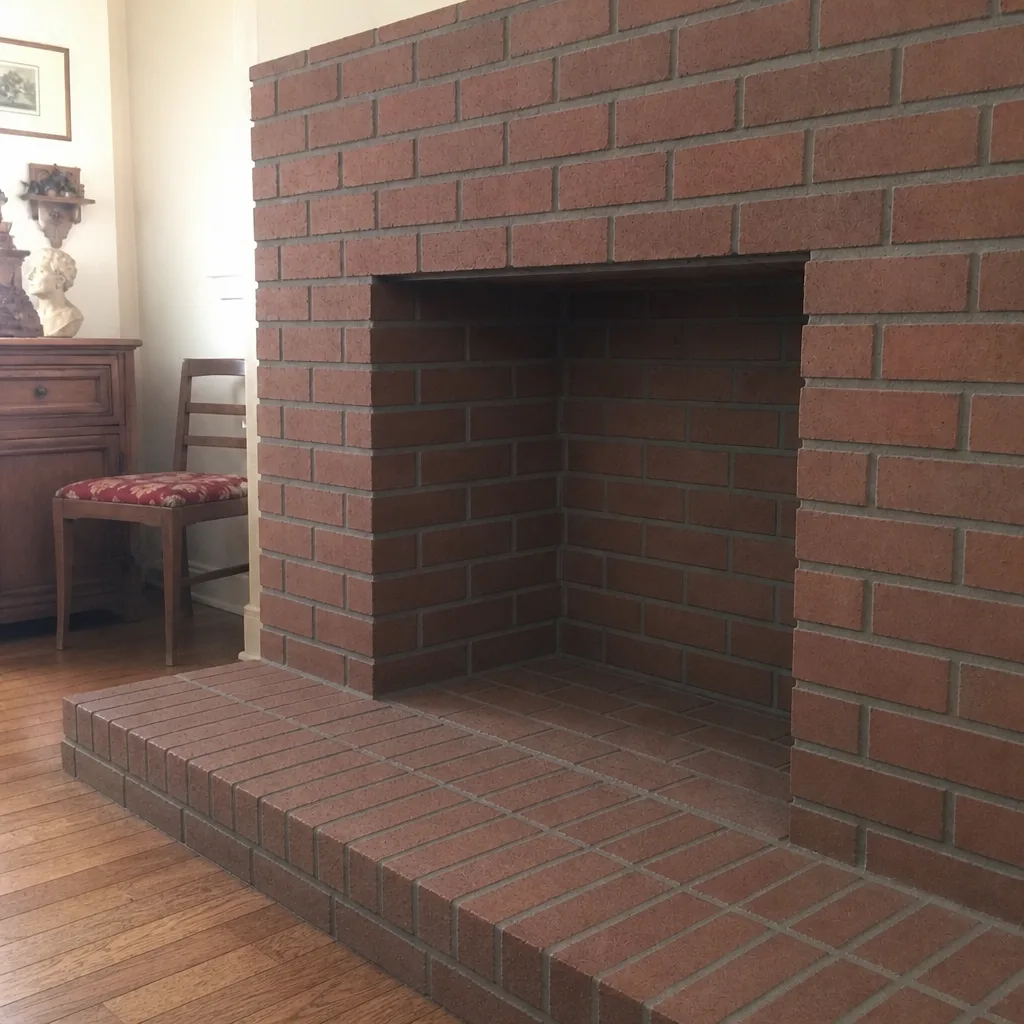
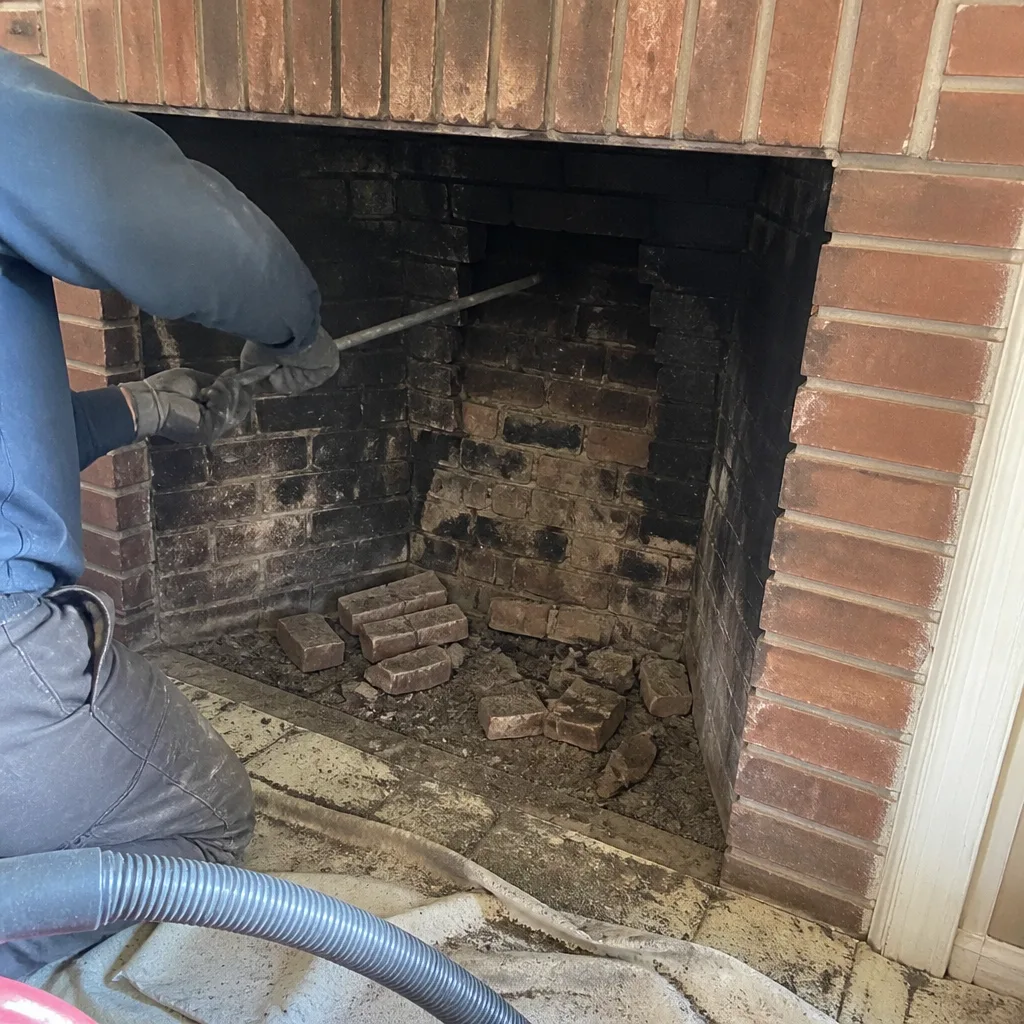
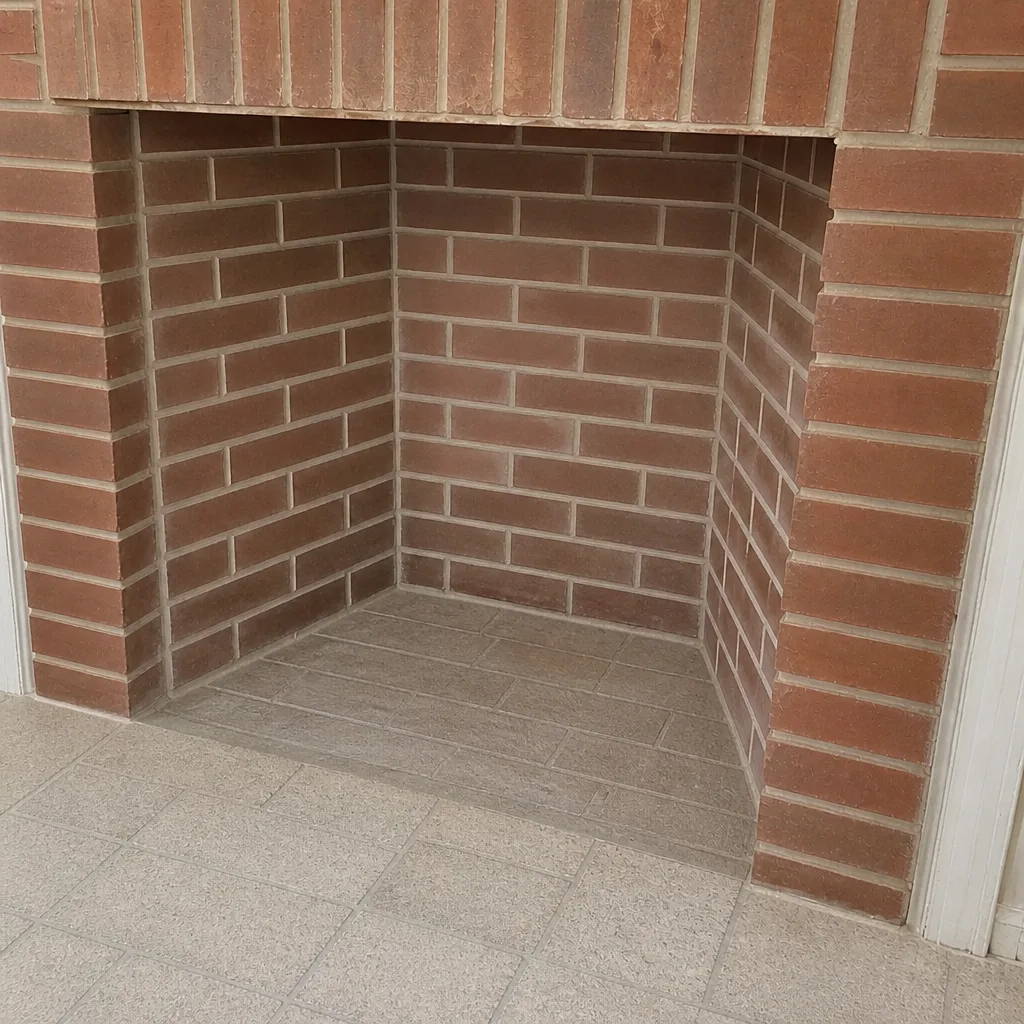
See the difference
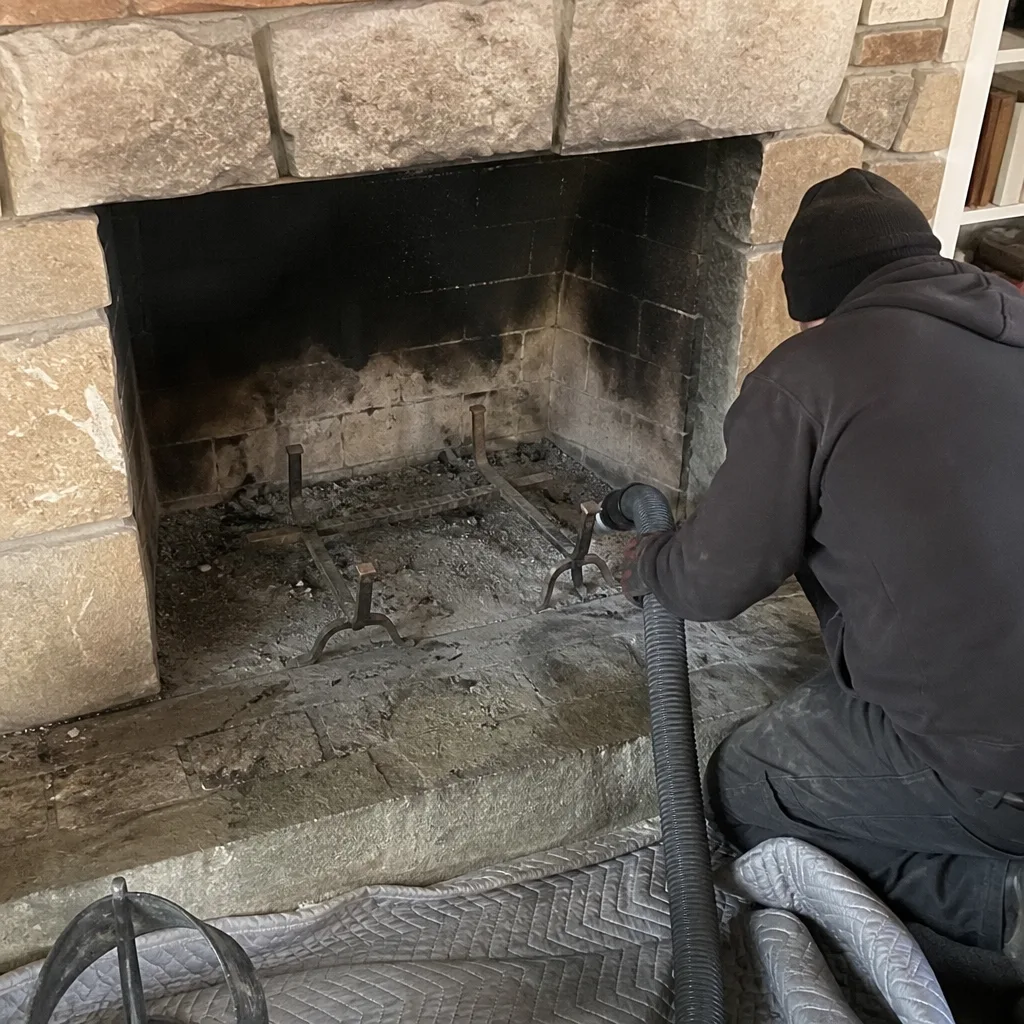 Before
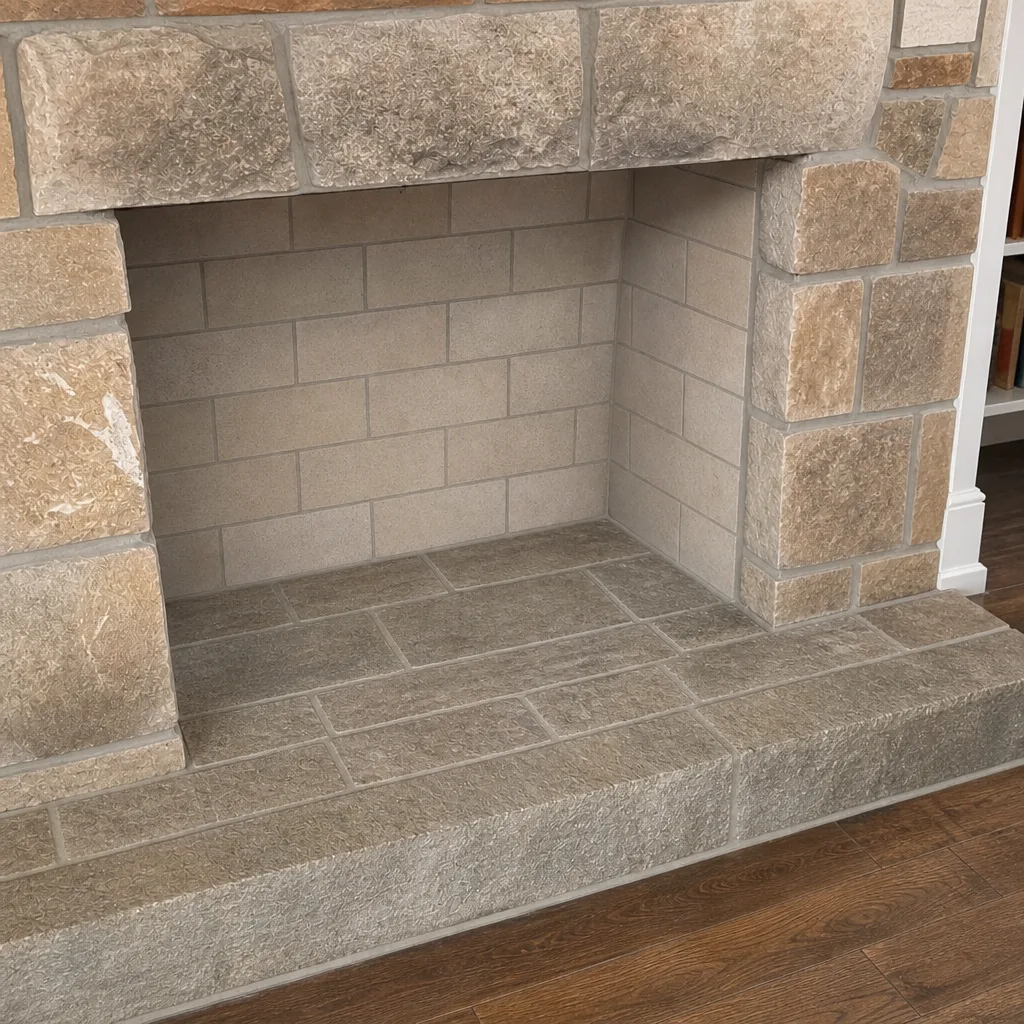 After
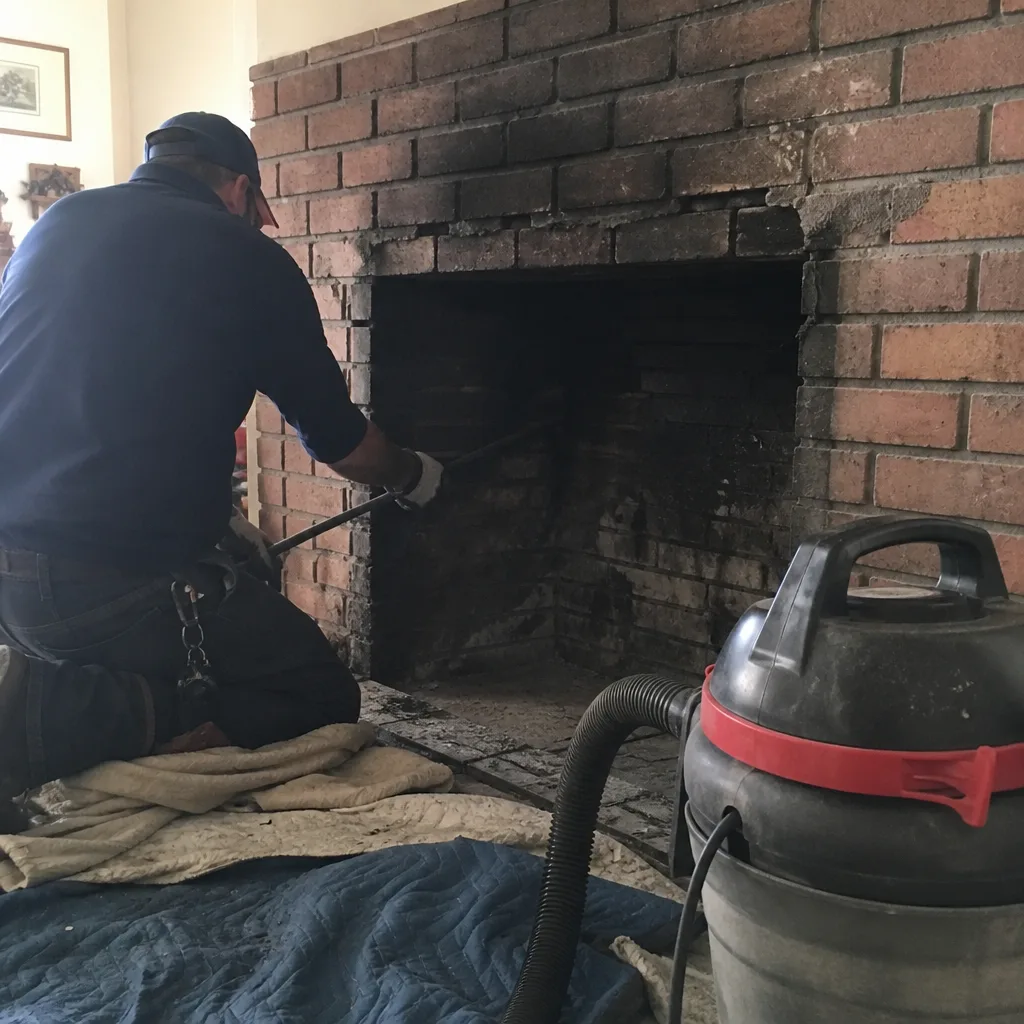 Before
 After
 Before
 After
When to Call a Professional
Call for a professional sweep and inspection if you haven’t had the chimney looked at since last heating season, if you notice any change in how smoke draws, if you’ve seen visible spalling or a cracked crown, or if a real estate transaction is anywhere on the horizon. Call before starting a repair that touches the flue, firebox, crown, or cap, so the permit plan is settled before work begins. If you’re being told by another contractor that “no permit is needed” for structural chimney work, call us for a second opinion. Chimney Sweep Tottenville offers free estimates in Tottenville – call (855) 507-5849. We answer 24/7. Fast dispatch from 7am to 7pm, Sunday through Friday.
Frequently Asked Questions
No. Routine chimney cleaning – sweeping creosote and soot out of an existing flue – is maintenance and does not require a permit from the NYC Department of Buildings. The permit line is triggered by structural work, not by cleaning. Call (855) 507-5849 for an exact quote on a sweep – estimates are free.
In most cases, yes. Installing a new stainless liner (DuraFlex, for example) or resurfacing a flue with a cast-in-place product like HeatShield changes the flue as a system, which puts it in permit-required territory under NYC’s building code. Ask the contractor for the permit number before work begins, and confirm it’s searchable by your Tottenville address on the DOB’s online records.
It becomes a negotiating item. The buyer’s attorney will see the work in DOB records as an unfiled change, the buyer’s inspector will note a modern liner or recent structural repair, and the seller typically ends up either pulling a late permit as an existing-work filing or crediting the buyer. Coverage under the homeowner’s policy can also be reviewed, which is never a comfortable conversation. Remediation is possible, but it’s cheaper before the sale than during it.
A code-supporting inspection report should identify the property, the appliance, and the date; document flue condition with photos; note firebox, damper, smoke chamber, crown, and cap conditions; and assess visible exterior masonry and flashing. Most importantly, it should state in writing whether any identified deficiency triggers a permit requirement. Ask for the report and the photos as a single document, delivered before the technician leaves.
For a typical single-family Tottenville home, Local Law 11 is often not the governing rule since the law applies to buildings above a certain height. For multi-story buildings in the area, the chimney stack is part of the visible facade envelope and its condition becomes part of the periodic facade inspection. A damaged crown or spalling brick on a visible stack can show up as a facade observation, which is one more reason to keep a written inspection record on the chimney.
Once a year for a wood-burning fireplace that sees regular use is the working rule, with an inspection paired at the same visit. A gas appliance still benefits from an annual inspection even though the creosote load is lighter. The yearly visit is your best insurance against a problem being discovered mid-winter or mid-sale. Call (855) 507-5849 for an exact quote – estimates are free.
The Bottom Line
Chimney cleaning in Tottenville is permit-free. Chimney construction work – relining, firebox repair, cap and crown installation, and structural masonry work – is not, and the homeowner carries the exposure if the paperwork is skipped. The safe pattern is: sweep and inspection annually, in writing, with photos; confirm the permit plan before any structural work begins; and verify the permit on the DOB portal by address once it’s filed. From annual sweep to full structural repair, one call, one specialist – and a written record that holds up during a sale, an insurance claim, or a facade cycle. Call (855) 507-5849 for a free estimate. We answer 24/7. Fast dispatch from 7am to 7pm, Sunday through Friday.
Written by the team at Chimney Sweep Tottenville.