
Last updated November 25, 2026
 Sweep & inspection
 Caps & crowns
 Flue relining
 Masonry repair
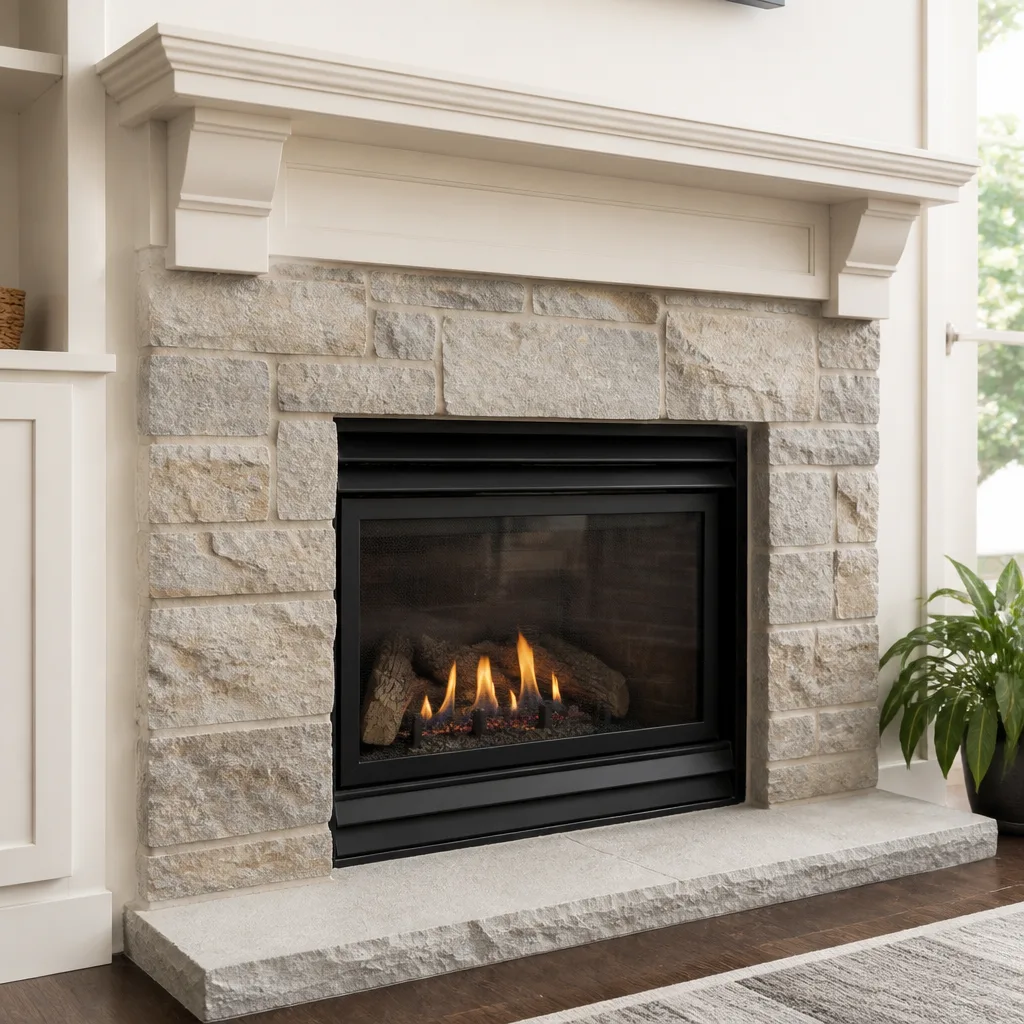 Gas fireplace service
Level 1 sweep and inspection to the NFPA 211 annual standard - flue, crown, cap, and flashing checked and photographed
Chimney sweep logs do not sweep chimneys. They loosen some creosote - which then falls where a brush and vacuum still have to collect it.
Chimney Cleaning Warning Signs: A Tottenville Homeowner’s Reference Guide
A white stain on the exterior of your chimney isn’t a cosmetic issue. It’s your chimney telling you water has already breached the masonry and is migrating through the brick. By the time that stain is visible, freeze-thaw damage has usually already begun, and the repair that follows is rarely a small one. That’s the strange thing about chimney problems: they never arrive as obvious emergencies. They show up as small, easy-to-rationalize details you dismiss until the detail becomes a bill. This guide teaches you to read your chimney the way a specialist does, systematically from the crown down to the firebox floor. It’s written for Tottenville homeowners preparing to light a fire this season and wanting to know what they’re actually looking at.
Styles & brands we work with
- Sweep & inspection
- Caps & crowns
- Flue relining
- Masonry repair
- Gas fireplace service
Quick Answer
The most important chimney cleaning warning signs are efflorescence (white staining on the exterior), spalling brick, rust on the firebox or damper, a smoky smell that changes with the season, and visible soot or creosote buildup you can see past the damper. Any one of these means the chimney is overdue for a sweep and inspection. Two or more together usually point to a problem larger than cleaning alone will solve.
Table of Contents
- How to Read a Chimney Like a Specialist
- Exterior Warning Signs: What Efflorescence, Spalling, and Staining Actually Look Like
- Indoor Warning Signs Homeowners Overlook
- Odor Types by Season and What Each One Means
- The Difference Between “Watch It” Warnings and “Stop Using the Fireplace” Warnings
- How Warning Signs Stack: Why Two Minor Signs Matter More Than Either Alone
- What to Tell a Chimney Sweep When You Call
- Common Mistakes to Avoid
- When to Call a Professional
- Frequently Asked Questions
- The Bottom Line
How to Read a Chimney Like a Specialist
A chimney specialist doesn’t start by looking down the flue. They start outside, at the top, and work down in a fixed order so nothing gets skipped. That order exists because chimney problems reveal themselves in sequence. The crown fails first, water gets in, the masonry stains, the firebox rusts, and the flue finally carries the evidence inside. Reading it backward, from the firebox up, is what causes homeowners to fix a symptom instead of the cause.
The specialist’s sequence looks like this:
- Crown and cap. The concrete top and the cap at the flue opening. Cracks, gaps, and missing screens all show here first.
- Exterior masonry. Brick faces, mortar joints, and any staining, which tells you how long water has been entering.
- Attic and ceiling line near the chimney. Where a roof leak or failing flashing leaves its first mark.
- Firebox and damper. Rust, cracked brick, and gaps in the firebox floor.
- The flue itself. Soot depth, creosote type, and whether the liner is intact.
In Tottenville, most homes we see have a masonry chimney with a clay tile liner, often on a house that’s been through many heating seasons. That combination makes the sequence matter even more. A cracked crown on a Tottenville roofline lets in water that has nowhere to go but into the brick and mortar, and a clay tile liner doesn’t forgive that over time. Reading the chimney in order catches the problem while it’s still cheap to fix.
You can walk the same sequence yourself, from the ground, without climbing anything. What you can’t do is open the flue and look. That step needs a trained eye and a light aimed where you can’t aim one. If you find anything at the exterior or interior stages, book a Chimney Sweep Tottenville visit before you light the first fire of the season.
Exterior Warning Signs: What Efflorescence, Spalling, and Staining Actually Look Like
Efflorescence looks like a chalky white, powdery stain on the brick surface, most often clustered near the top third of the chimney. It’s not paint, and it isn’t mold. It’s mineral salt pushed to the surface by water moving through the masonry from the inside out. If you can brush some of it off with your hand and it comes back after a rain, you’re seeing active water intrusion, not an old mark.
Spalling looks different and is a step further along. The face of a brick flakes, peels, or pops off in thin sheets, leaving a rough, pitted, or crumbly surface. On Tottenville’s older brick chimneys, spalling shows up first on the sunward and weather-facing sides, where water enters and freezes inside the brick. When water freezes, it expands, and the freeze-thaw cycle over a winter will push the face of the brick right off. Spalling brick cannot be cleaned back to look new. The brick is gone. What matters is stopping the water source so the neighboring bricks don’t follow.
The third exterior sign is staining, and it comes in three useful colors:
- White and powdery: efflorescence from water moving through the masonry.
- Dark brown or rust-colored streaks: water carrying iron or rust from the cap, flashing, or firebox down the exterior face.
- Black or gray sooty streaks: smoke escaping where it shouldn’t, usually around the cap or a joint that’s opened up.
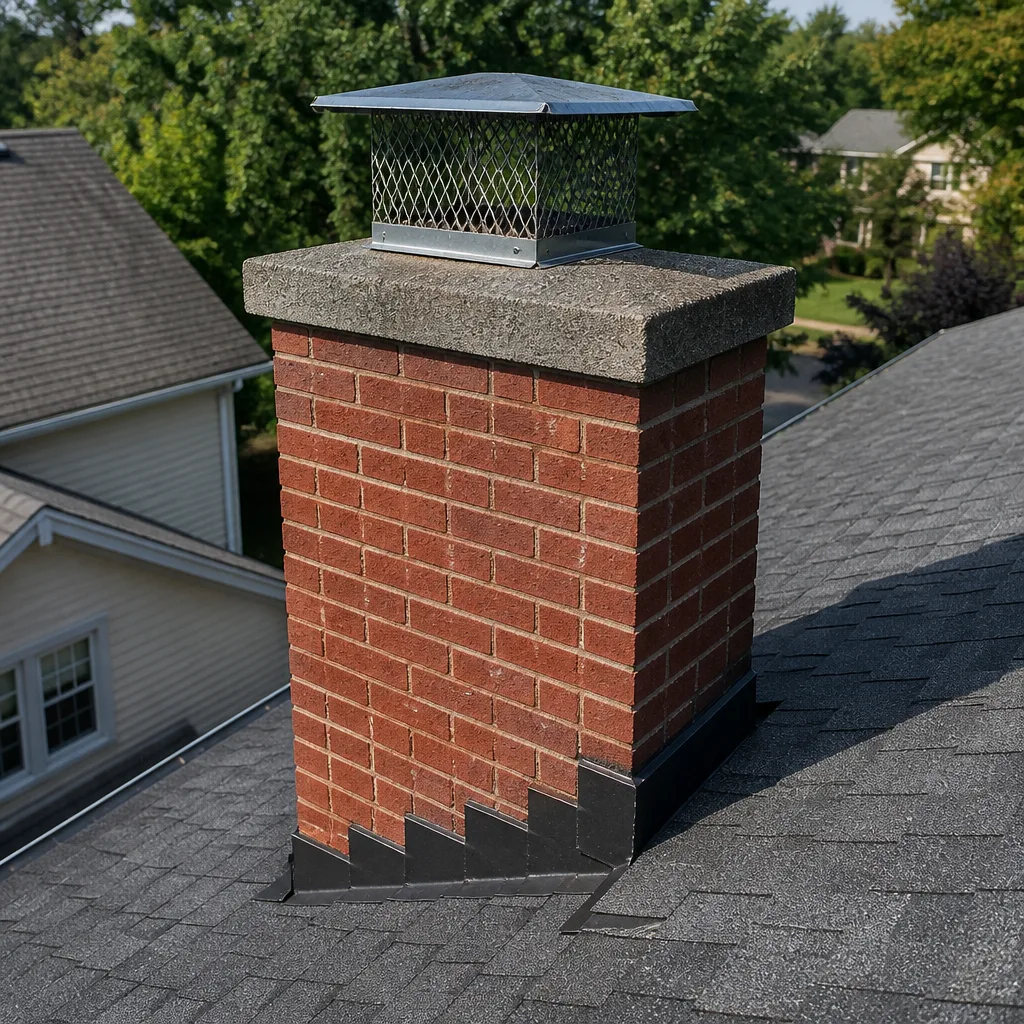
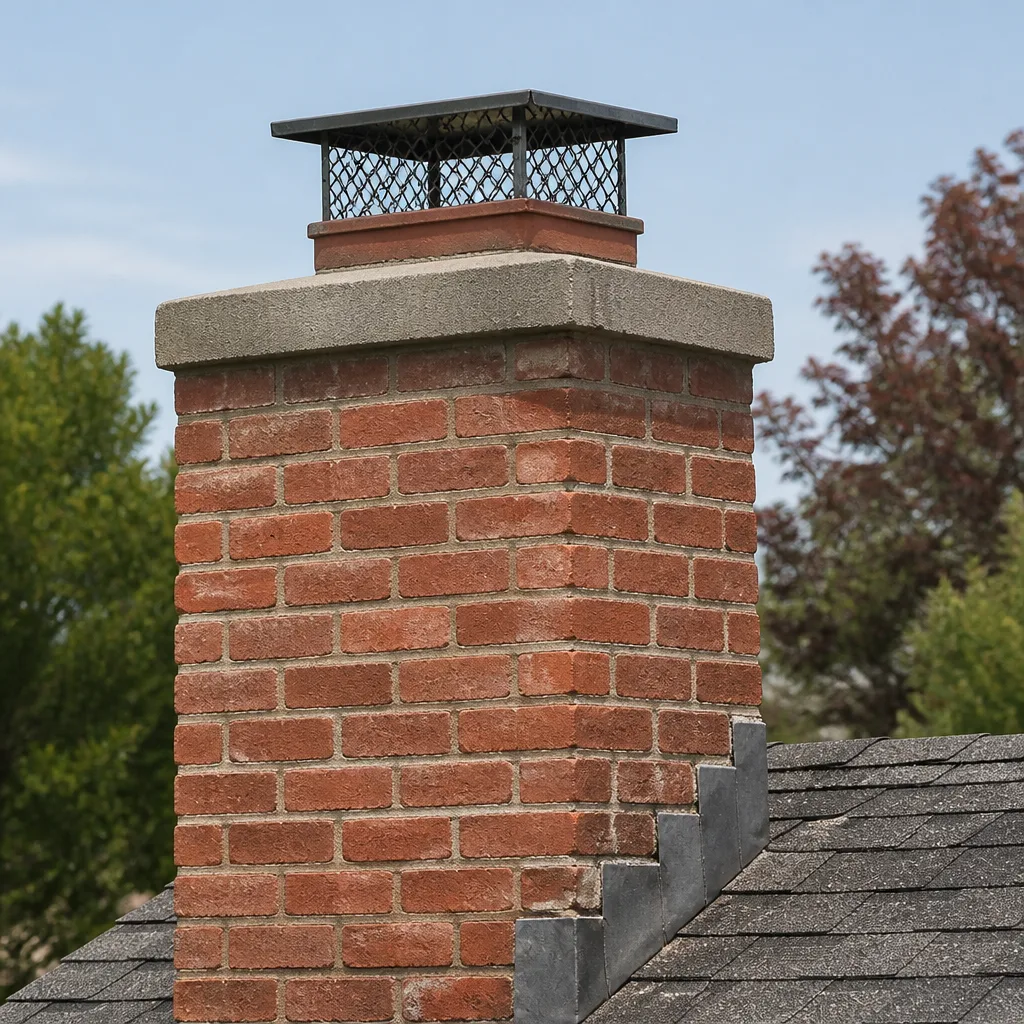
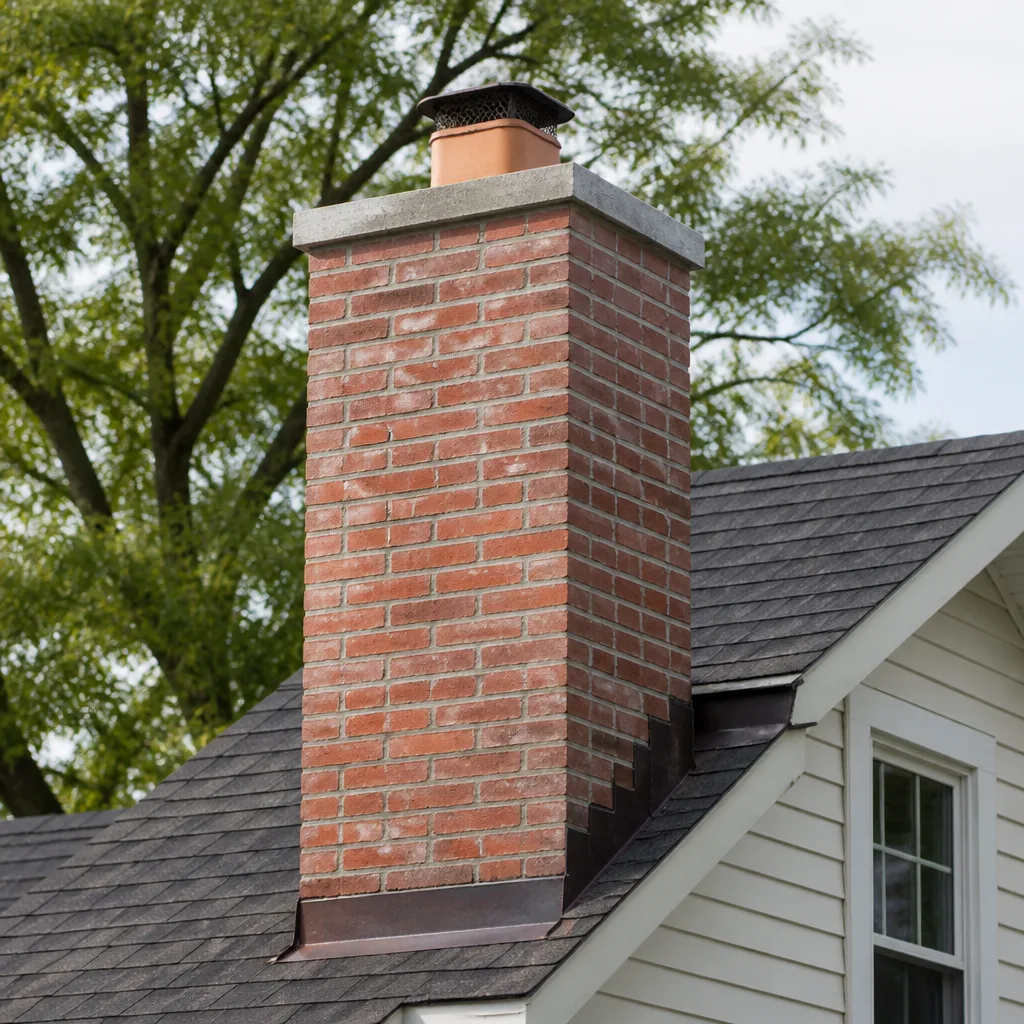
While you’re looking, check three more items around the top. The crown should be a solid, sloped concrete cap with no visible cracks or missing chunks. The cap over the flue opening should be intact, screened, and clear of debris. The flashing where the chimney meets the roof should sit flush, with no lifted edges or gaps. Any failure at those three points is where most exterior water damage starts. Fixing a crown or cap now is a chimney cap & crown job today. Waiting a few more winters often turns it into masonry work.
Indoor Warning Signs Homeowners Overlook
The inside of the chimney carries the same story told from the other end, and homeowners walk right past most of it. Inside the firebox, rust on the damper, on the firebox grate, or on a metal liner is a direct indication of moisture. Metal doesn’t rust in a dry chimney. When you see rust indoors, look for the water source outdoors first, usually a failed crown, cap, or flashing.
Cracked firebox brick, or gaps in the mortar joints between firebox bricks, is another one people dismiss as “old.” A firebox is built to contain a fire, and once the brick and mortar have cracked, hot gases can reach the surrounding structure. That’s not something to paint over. A fireplace repair visit is the only way to know how far the cracks run.
Soot or creosote visible above the damper is the signal most homeowners miss. Open the damper, shine a strong flashlight up and look for a black, glossy, or crusted layer. If it’s more than a thin dusting, the chimney is overdue. Glossy, tar-like creosote is the dangerous kind, because it ignites at a lower temperature than the sooty variety.
Three more indoor signs worth acting on:
- Smoke rolling into the room when the fireplace is lit. This suggests a flue blockage, a partial collapse, or a pressure problem, not just a cold flue.
- A draft that reverses on windy days is more than the usual downdraft, and it can point to a blocked or undersized flue.
- Visible cracks in the chimney breast or the masonry near the ceiling deserve an inspection for structural causes, not just cosmetic ones.
None of these require you to open a wall or climb a ladder. You’re just finding the sign. Diagnosis belongs to a trained technician, and a chimney sweep visit with an inspection is how you confirm what you’re seeing.
Odor Types by Season and What Each One Means
A chimney smell is easy to dismiss and rarely means one thing. The season helps you narrow it down. Each odor type points to a specific cause, and knowing which one you’re dealing with lets you describe it clearly to a technician.
- Summer, a strong smoky, campfire smell: This is creosote in the flue, activated by heat and humidity. Warm weather draws chimney odors into the house. It’s the classic “why does my fireplace smell in the summer” problem, and the cause is unburned creosote sitting on the flue walls.
- Early fall, a musty or earthy smell: That’s moisture in the masonry or soot that’s been wetted. It points to a water entry problem, usually the crown, cap, or flashing.
- Winter, a strong smoke smell lingering after a fire is out: The flue isn’t drawing the way it should, or the flue is blocked. That means smoke is finding a path it shouldn’t.
- Year-round, a dead-animal or rotting smell: That’s usually an animal nest, a dead bird, or decaying debris in the flue. It’s a common sign in Tottenville after a season or two of an unprotected flue.
- Whenever the furnace runs, a burnt, gassy, or oily smell: This can be a cracked flue or a backdraft condition and needs a technician, not a plug-in air freshener.
Don’t spray deodorizer into a chimney to make a smell go away. A smell is data. Masking it hides the exact sign a technician uses to diagnose the problem on the first visit. If you notice a recurring odor, describe it and note when it shows up before you call.
The Difference Between “Watch It” Warnings and “Stop Using the Fireplace” Warnings
Not every sign means the same thing. Some say “book a sweep soon,” and some say “stop burning, now.” Learning to tell them apart without a professional in the room is one of the most useful things you can do, because it protects your home while you wait for the appointment.
These are watch-it signs. Schedule a visit before the next fire and don’t lose sleep tonight:
- A thin layer of soot visible in the flue.
- Mild efflorescence that brushes off but returns after rain.
- A single cracked firebox brick with no gap behind it.
- A smoky smell in the summer with no active burning.
- One small chunk of mortar missing from a joint on the exterior.
These are stop-using signs. Put the fire out and keep it out until a technician has inspected the chimney:
- Smoke backing into the room while a fire is lit.
- Any visible gap or hole through the firebox wall or the flue.
- Rust on the damper with the firebox lining visibly cracked or crumbled.
- Heavy, glossy, tar-like creosote on the flue walls.
- A smell of burning or gas when the furnace runs, especially with a carbon monoxide alarm sounding.
There’s a reason the second list is short. None of those signs can be cleared by cleaning alone, and a fire in a chimney with a structural failure is the exact scenario the fire service warns against. When in doubt, treat it as a stop sign. Call (855) 507-5849. We answer 24/7, with fast dispatch from 7am to 7pm, Sunday through Friday. A technician can tell you on-site which category you’re in.
How Warning Signs Stack: Why Two Minor Signs Matter More Than Either Alone
Individually, a cracked crown and mild interior staining aren’t emergencies. Together, they tell a story that neither one can on its own. Warning signs stack, and the stack is often more useful than any single sign. A cracked crown lets water in. Water travels through the masonry. The plaster or paint on the chimney breast inside starts to bubble. A sweep sees the cracked crown, and a homeowner sees the bubbling paint, and the connection is the diagnosis. Two “minor” signs together means the problem has been active long enough to show at more than one point in the system.
Here’s the pattern we’ve seen in Tottenville. Stacked signs tend to come in three common combinations:
- Exterior water signs + interior rust. This combination points to a persistent water source, usually the crown or the flashing. Left alone, it’s the path to a failing liner.
- Smoky smell in summer + visible creosote buildup. Creosote is present and active. This is a sweeping job, but it’s also a prompt to look at what kind of wood you’re burning and how hot your fires run.
- Smoke rolling into the room + a visible flue crack. This is a stop-using scenario, and it needs a flue inspection before any more burning.
The reason stacking matters is economic. Each sign on its own tends to get a small fix. The stack points to a single root cause, and fixing the root cause is far cheaper than fixing three symptoms at three visits. That’s the specialist’s approach, and it’s what separates a sweep from a handyman with a brush: a specialist reads the whole chimney, top to bottom, and finds the one problem the stack is pointing to. When the diagnosis lands on a damaged liner, bringing in a system like HeatShield for flue resurfacing, or a DuraFlex stainless liner for a full reline, is how a specialist repairs instead of patches.
What to Tell a Chimney Sweep When You Call
You’ll get a better first visit and a faster diagnosis if you describe what you’re seeing instead of saying “the chimney’s acting up.” Technicians build a mental picture before they arrive, and a clear description tells them what tools and what kind of visit to prepare for. Keep it concrete.
Here’s a short framework to follow on the call:
- What you see, where. “White powder on the brick above the roofline” or “a crack in the crown” or “rust on the damper” is far better than “the chimney looks bad.”
- When it started. “Every summer for two years” or “since the cold snap in January” tells them whether it’s seasonal or sudden.
- What you smell, and when. Smoky, musty, dead-animal, or gas. Note whether it happens during burning, after rain, or year-round.
- How your last fire behaved. Did smoke come into the room? Did it draw slowly? Did you smell anything odd after it went out?
- The building context. Masonry chimney or prefab, wood-burning or gas, and whether the chimney is on a house, an addition, or a shared wall.
A photo helps enormously. If you can safely take a photo from the ground of the exterior crown and cap, or of the firebox with a flashlight, bring it to the call. Our technicians have up to 10 years of experience and they’ll use that description to arrive prepared with the right gear, whether that’s a standard sweep or a repair visit that involves HeatShield or Olympia Chimney components.
Common Mistakes to Avoid
- Treating efflorescence as a cosmetic stain. It’s the visible sign that water has already moved through the masonry. Painting over it traps the moisture inside and speeds up the spalling. Fix the crown and cap, not the appearance.
- Waiting out a cracked crown through one more winter. In Tottenville, a single winter’s freeze-thaw cycle can turn one small crack into a much larger masonry repair. Crown work done early is cheap. Masonry restoration done later isn’t.
- Burning unseasoned or softwood and calling it swept. Green wood and pine-heavy fires leave more creosote than dry hardwood. If you’re seeing a rapid buildup, the wood choice is part of the problem.
- Running a gas fireplace and skipping the inspection. Gas fireplaces still need their flue inspected. A clogged or disconnected vent is a carbon monoxide risk, and it shows up on an inspection, not on the surface.
- Booking a sweep in late fall. Everyone in Tottenville wants a sweep the week before the first cold snap, and schedules fill up. Book early so any repair has time to happen before you need the fireplace.
- Assuming one clean fixes everything. A sweep removes what’s in the flue. It doesn’t fix a failed crown, a rusty damper, or a cracked firebox. Those need a repair plan, not another brush pass.
- Hiring a general handyman for chimney work. A generalist with a brush can’t diagnose a flue crack or a failing liner because that’s not what they do every day. Use a chimney specialist, even when the generalist seems cheaper up front.
When to Call a Professional
Call a professional when you see any “stop-using” sign, or when two or more “watch-it” signs appear together. Call also if the chimney hasn’t been swept in a year of regular burning, or if a flue has been out of use for more than a season. Tottenville’s older masonry chimneys and clay tile liners take a slow toll from freeze-thaw, and the earlier a sweep catches a problem, the smaller the repair. A trained technician can see what a homeowner can’t, and a specialist’s report gives you a written record of the chimney’s condition you can keep and reference. Chimney Sweep Tottenville offers free estimates in Tottenville. Call (855) 507-5849.
Frequently Asked Questions
Most chimney sweeps in Tottenville run in the low-to-mid hundreds of dollars for a standard cleaning with a visual inspection, and the exact price depends on the flue’s condition and whether a repair is needed. The written estimate sets the final price, and the estimate visit is free. Call (855) 507-5849 for an exact quote.
Only if the flue inspection shows that the existing liner has failed. A cracked clay tile liner, gaps, or heavy deterioration is a real problem, but nothing is recommended without camera evidence you can see yourself. Some liners can be resurfaced rather than fully replaced, and a specialist will tell you which applies.
A wood-burning chimney in Tottenville should be swept at least once a year, and more often if you burn heavily or notice a rapid creosote buildup. A gas fireplace still needs an annual inspection even though it needs less sweeping. Book before the season rather than after.
Creosote builds up in the flue, and once it’s thick or glossy, it can ignite and start a chimney fire. A failing crown or cap lets water in, and the masonry spalls and cracks over freeze-thaw cycles. Skipping one year is usually recoverable. Skipping several is how a small fix becomes a structural repair.
You can inspect the exterior and the firebox yourself, but leave the flue cleaning and diagnosis to a trained technician. A flue brush doesn’t catch a cracked liner or a failed crown, and it doesn’t give you the evidence you need to know whether a repair is required. The sweep and the inspection belong together.
Not serious on its own. A summer smoky smell almost always means creosote or soot in the flue reacting to warm, humid air, and it clears with a sweep. If the smell also happens after a fire during the heating season, describe it to a technician on the call. Call (855) 507-5849 for a free estimate.
The Bottom Line
Chimney warning signs are quiet, and they come in order. Read your chimney from the crown down to the firebox, and you’ll catch most problems long before they’re expensive. White staining, spalling brick, rust indoors, a smell that changes by season, and visible creosote all mean the same thing in different words: it’s time for a sweep and an inspection. Two signs together matter more than either alone, because they point to a root cause. The specialist’s job is to find that root cause and fix it, from maintenance through chimney repair. Our technicians work exclusively with professional-grade materials from brands like DuraFlex, HeatShield, and Copperfield because the repair has to last. If you see any of these signs in Tottenville, don’t wait for a bigger one.
Call (855) 507-5849 for a free estimate. We answer 24/7. Fast dispatch, 7am-7pm, Sunday through Friday. One call, one specialist, from first sweep to final repair.
Written by the team at Chimney Sweep Tottenville.
See the difference
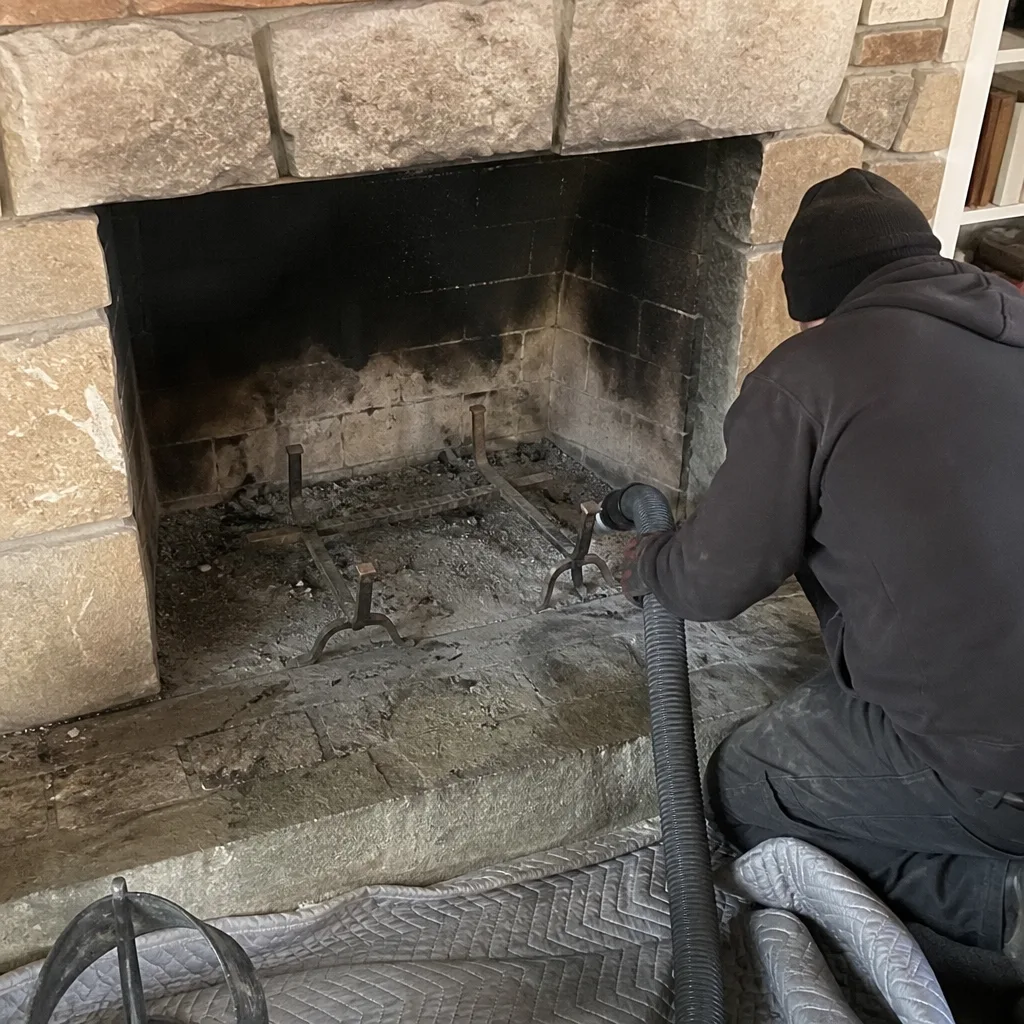 Before
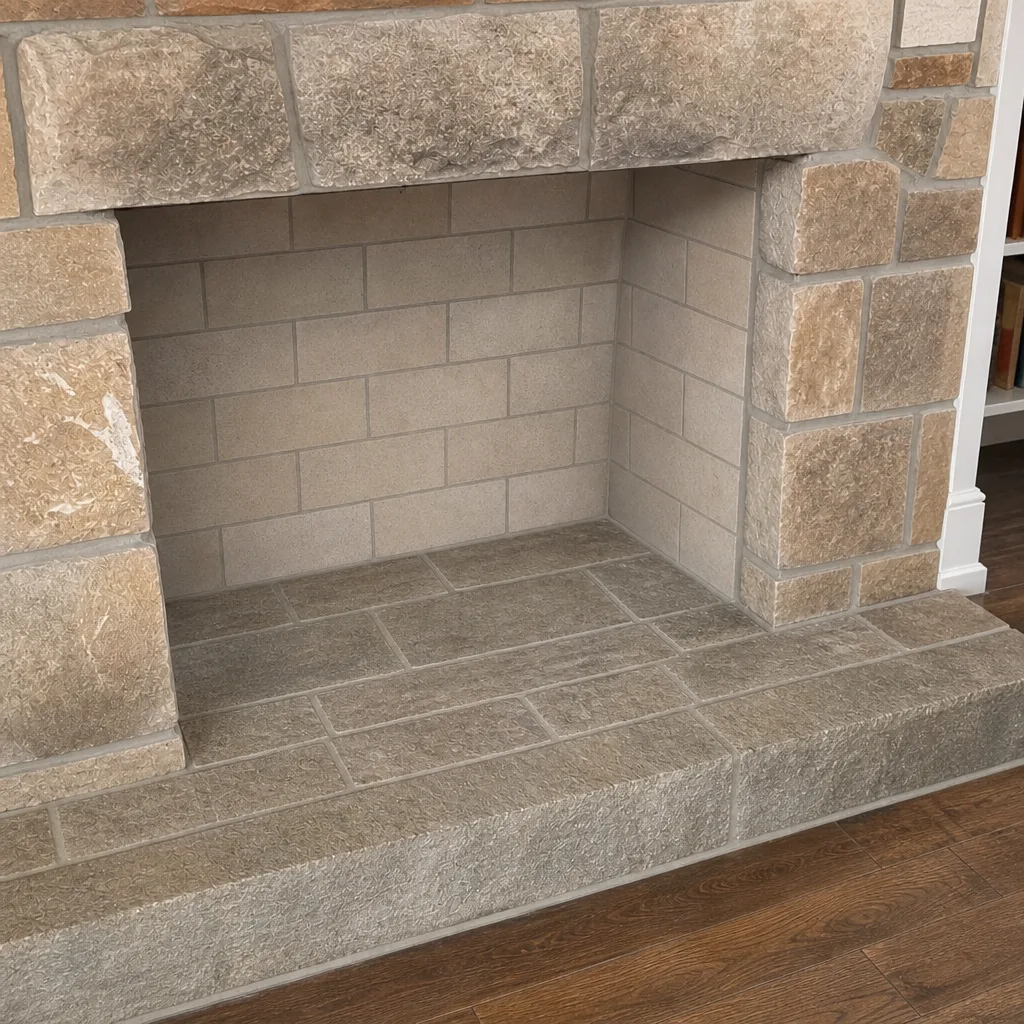 After
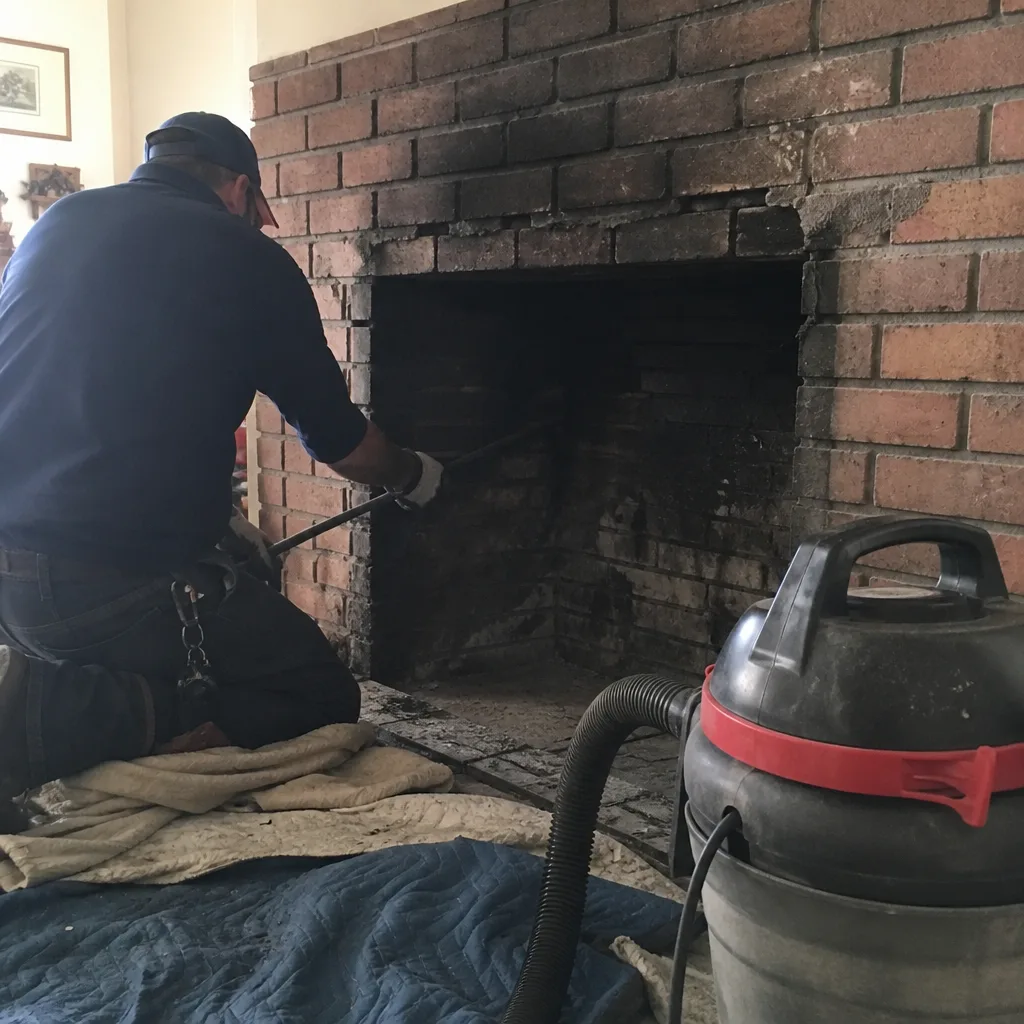 Before
 After
 Before
 After