
Last updated November 25, 2026
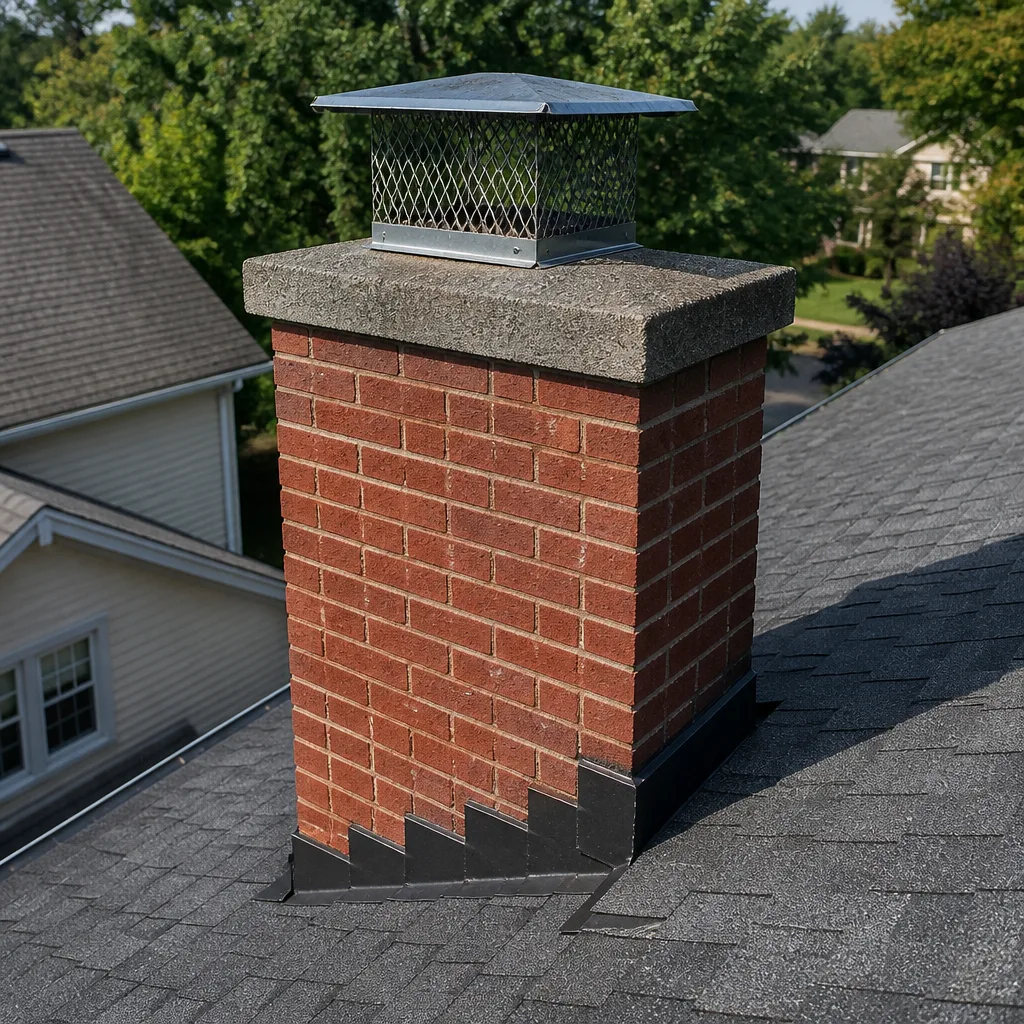 Sweep & inspection
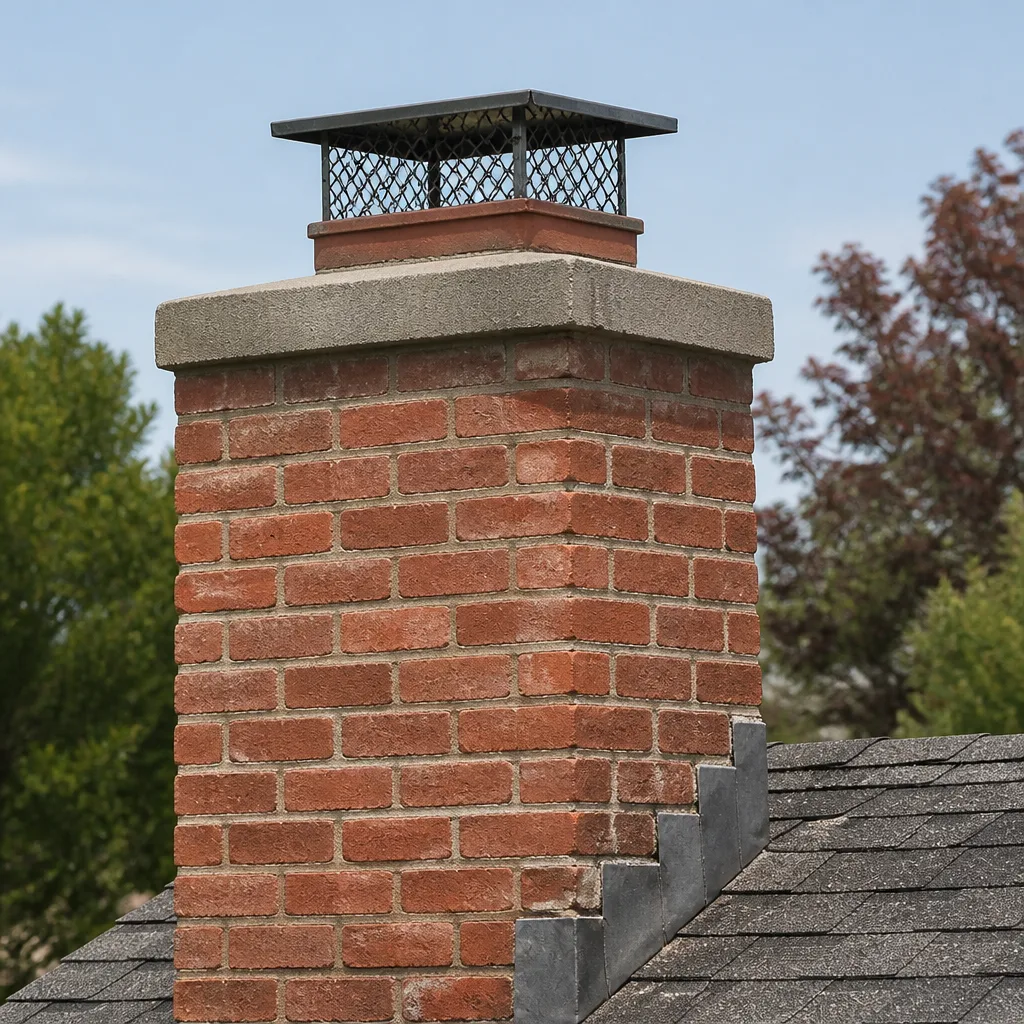 Caps & crowns
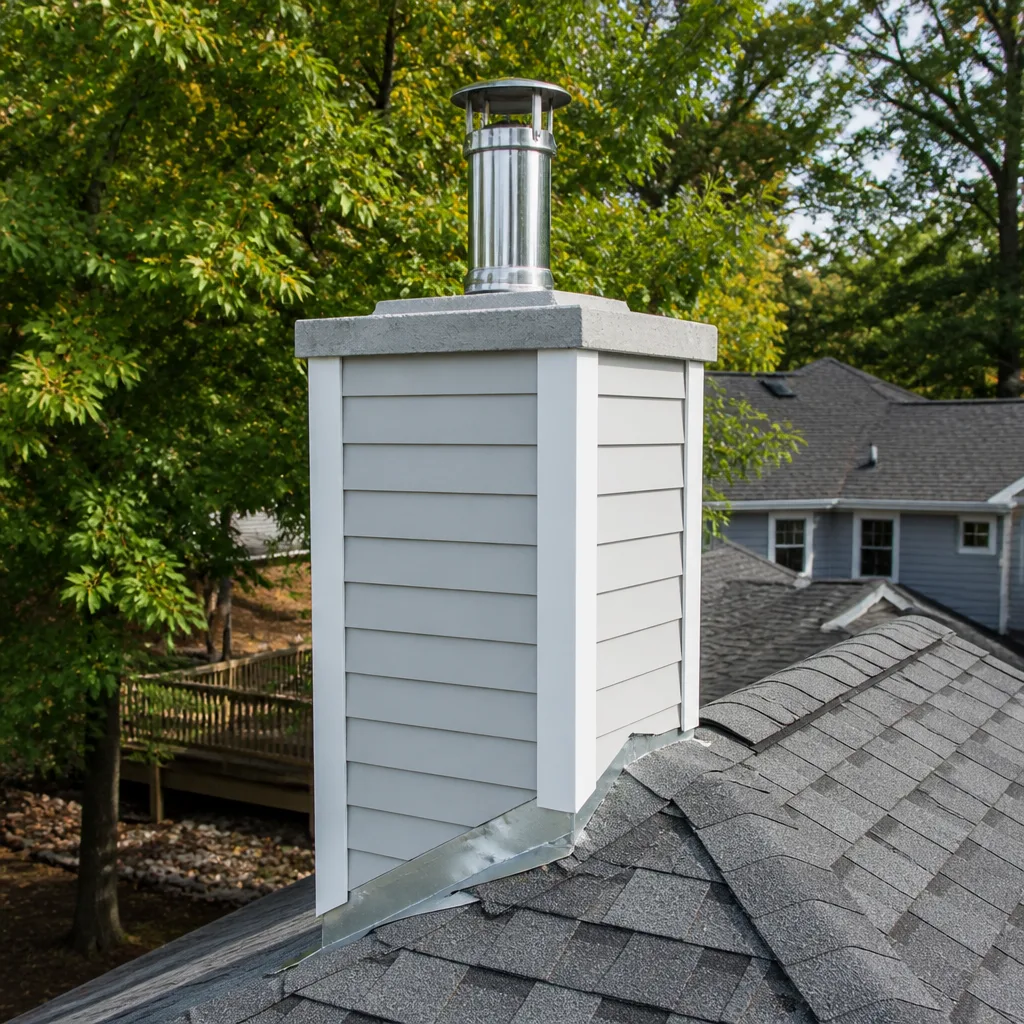 Flue relining
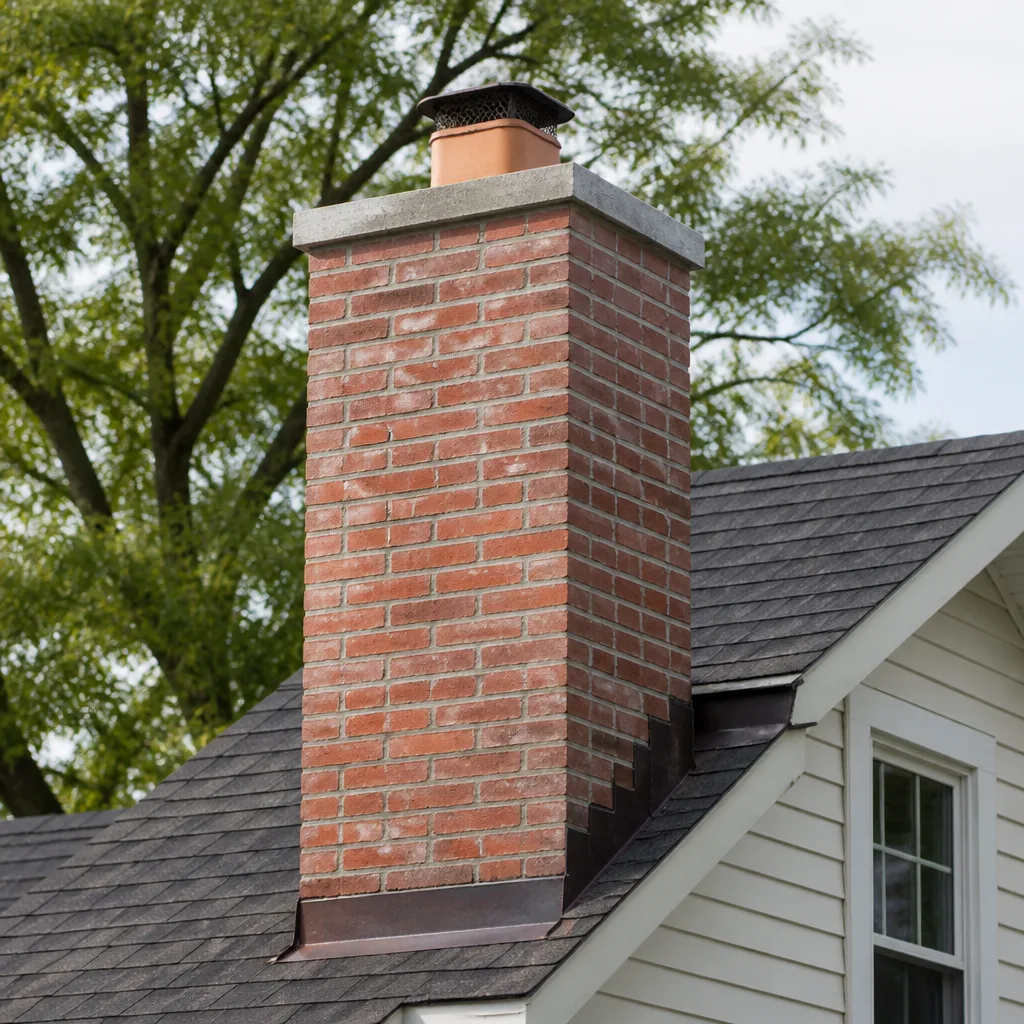 Masonry repair
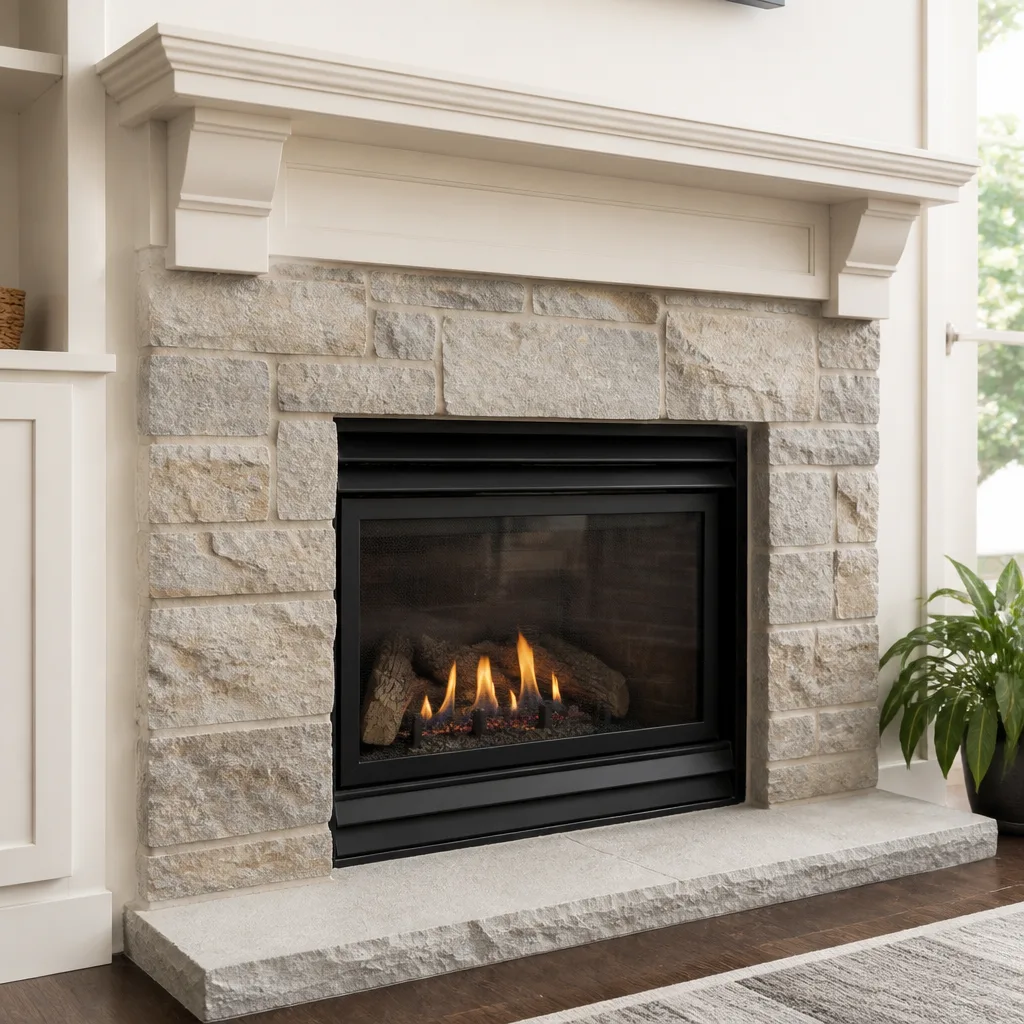 Gas fireplace service
Level 1 sweep and inspection to the NFPA 211 annual standard - flue, crown, cap, and flashing checked and photographed
Chimney sweep logs do not sweep chimneys. They loosen some creosote - which then falls where a brush and vacuum still have to collect it.
The Complete Guide to Chimney Cleaning in Tottenville
Most chimney guides are written for landlocked suburbs. We’ve had homeowners in Tottenville ask why their fireplaces seem to wear faster than a cousin’s house upstate, and there’s a real answer: moisture. Tottenville sits at the southern tip of Staten Island, where humid summer air and airborne salt work on brick, mortar, and metal flue components year after year. That pushes creosote staging and mortar erosion along faster than a dry inland climate does. This guide covers what cleaning actually means in Tottenville, why the standard once-a-year rule isn’t the whole story, what the neighborhood’s older housing stock demands, and what a complete visit should include beyond brushing.
Quick Answer
Chimney cleaning in Tottenville means removing creosote, soot, and blockages from the flue, then inspecting the full system – firebox, smoke chamber, damper, cap, and crown – to confirm everything is sound before the heating season. Most wood-burning fireplaces here need a sweep once a year or roughly every cord of wood burned, whichever comes first, and gas appliances still need an annual inspection even though they produce little solid soot. A thorough visit pairs cleaning with at least a Level 1 inspection, and often a Level 2 for older Tottenville homes with unlined flues.
Styles & brands we work with
- Sweep & inspection
- Caps & crowns
- Flue relining
- Masonry repair
- Gas fireplace service
Table of Contents
- Why Chimney Care in Tottenville Is Different
- The Chimney Types You’ll Find in Tottenville’s Older Homes
- How Often Should You Clean a Chimney in Tottenville?
- What a Complete Cleaning Visit Should Include
- Why a Level 2 Inspection Often Makes Sense Here
- Understanding Creosote and Why Staging Matters
- What You Can Check Yourself – and What You Shouldn’t
- When to Call a Professional
Why Chimney Care in Tottenville Is Different
Chimneys fail from the outside in as often as they fail from the inside. In a humid, salt-exposed environment like Tottenville’s, masonry mortar absorbs moisture from the surrounding air and from driving rain. That moisture expands when it freezes and contracts again as it thaws, and over enough cycles the joints between brick start to soften and crumble. Once mortar erodes, water has a direct path into the flue structure.
That moisture load changes how creosote behaves, too. Creosote forms in three recognizable stages as it builds:
- Stage 1 – soot and flaky dust: Light and brushable. This is what a routine sweep removes easily.
- Stage 2 – crusty, brittle deposits: Harder to dislodge. Needs proper brushing with the right tools.
- Stage 3 – glazed, glassy creosote: Baked onto the flue wall. This is the genuinely hazardous stage and usually requires specific removal methods, sometimes chemical treatment before brushing.
In a wetter local climate, deposits sitting on a damp flue wall have more opportunity to move toward the glazed stage before your next scheduled sweep. That’s one reason we push for cleaning tied to actual burn amount rather than a calendar date alone. Homes in Tottenville with heavy masonry and a working wood fireplace earn their attention this way.
If you’ve never had a professional look at your system, the place to start is a Chimney Sweep Tottenville – a full visit that checks the parts of the flue you can’t see from the hearth.
The Chimney Types You’ll Find in Tottenville’s Older Homes
Tottenville has a deep stock of homes built before 1970, and many of those chimneys were constructed before modern liner requirements were standard. That means the cleaning method, inspection level, and expectations change depending on what’s actually behind the brick.
Pre-1970s brick chimneys with no liner
An unlined brick flue is not a cleaning problem by itself – it’s an inspection problem. Creosote can seep into porous brick and mortar joints in ways a brushed flue would never show. Cleaning an unlined flue is straightforward brushing, but the inspection has to look harder at the mortar joints and the interior face for spalling and gaps. If we find deterioration, repair options range from a resurfacing product like chimney repair work using a specialized lining compound to a full relining with a system like those from Olympia Chimney.
Chimneys with a clay tile liner
Clay tile is common in mid-century Tottenville homes. It cleans well, but the tiles crack and the joints between them can open with age. A camera inspection is the only way to see that from the bottom. A cracked tile is a real concern because heat and gases can reach the surrounding structure.
Metal and prefab flues
Some Tottenville homes have factory-built metal fireplaces and inserts. These are generally easier to clean but must be swept with the manufacturer’s specified method – wire brushes on some metal flues can damage the surface. The cap and top plate should be checked closely because a prefab system is only as good as the closure at the top.
Masonry fireplaces with a smoke chamber
The smoke chamber – the sloped area just above the damper – is the part of a classic masonry fireplace most often ignored during a quick brush-and-go. It collects soot in the corbelled corners and needs hand-scraping to be genuinely clean.
How Often Should You Clean a Chimney in Tottenville?
Once a year is a reasonable baseline for a wood-burning fireplace in regular use, but the rule-of-thumb most trade professionals follow is closer to this: sweep after every cord of wood burned, and no less than once per year. If you burn more than a cord in a season, you may need two cleanings. If you rarely light a fire, annual inspection still matters even when the flue isn’t due for a full brush.
Think about your actual usage, not just the calendar:
- Count your cords. Hardwood delivered by the cord is a useful gauge. One cord per season typically means one sweep.
- Note your fuel type. Seasoned hardwood produces less creosote than green or unseasoned wood. Softwoods and scrap lumber produce more.
- Watch your burn habits. Smoldering, low-air fires deposit more creosote than hot, efficient fires. If you close the damper down to stretch a burn, plan for more frequent cleaning.
- Gas appliances: Little solid soot, but the flue still needs an annual inspection for venting, condensation, and debris from birds or squirrels.
- After any chimney fire, blockage, or structural event: immediate inspection, full stop.
For a Tottenville homeowner burning a cord or two each winter, one sweep and one inspection before the season is the correct baseline. Two sweeps is common for households that heat with wood as a supplementary source through the cold months.
What a Complete Cleaning Visit Should Include
A proper sweep is more than a brush down the flue. Here’s what a complete visit should walk through, in order:
- Set up and protect the room. Drop cloths, a sealed vacuum system, and containment at the firebox opening so soot stays in the flue.
- Clear the firebox and damper area. Remove ash, check the damper for operation and fit.
- Brush the flue. Correct brush for the flue type and size. Metal flues get a non-abrasive brush; masonry gets the standard poly or wire as appropriate.
- Camera inspection of the flue. Video scan of the interior walls, joints, and any offsets or bends.
- Smoke chamber evaluation. Hand-scrape the corbelled area and check for gaps at the damper frame.
- Cap and crown check. Look for a cracked crown, a missing or loose cap, and any gaps where water can enter.
- Photo report. Document what was found and hand the photos over to the homeowner.
That last step matters because it means nothing is recommended that you can’t verify yourself. We include a camera inspection and photo report with a cleaning visit for exactly that reason. If the crown is cracked or the cap is missing, a chimney cap & crown replacement is a small job compared to the masonry repair a leaky top can cause down the road.
Why a Level 2 Inspection Often Makes Sense Here
The trade recognizes three levels of chimney inspection:
- Level 1: Visual check of readily accessible parts – firebox, damper, flue from the bottom, cap and crown from the ground or roof edge. Standard with a routine cleaning.
- Level 2: Adds video camera scanning of the full flue interior, and access to attics, crawl spaces, and other areas that hide the chimney’s exterior. Required whenever the system changes use, changes fuel type, or after a chimney fire or earthquake. Also recommended when a property changes hands.
- Level 3: Involves opening up concealed parts – wall or masonry removal – when a Level 2 finds a hidden problem.
In Tottenville, a Level 2 is a sensible default for older homes during a routine cleaning, not just after something goes wrong. The reason is the housing stock: unlined or clay-tile flues from before 1970 hide joint failures that a Level 1 can’t see. If you’ve just bought the house, this is the moment to have the camera run. If you’ve switched from oil to gas, or added a wood insert, the venting assumptions changed and the inspection should catch up. Many of the conditions that lead to structural repairs – cracked tile, degraded mortar, a smoke chamber that no longer flows – are visible only from the inside of the flue.
When the camera does find deterioration, the repair path usually involves a HeatShield flue resurfacing or a DuraFlex liner system, depending on the condition. Both are code-critical repairs and both are better caught early.
Understanding Creosote and Why Staging Matters
Creosote is the residue that condenses on the flue wall when wood smoke cools before it exits the chimney. It’s the primary reason chimney cleaning exists at all – it’s flammable, and the higher its stage at the moment of ignition, the more intense the chimney fire it can feed.
The three stages again, with practical meaning:
- Stage 1: Sooty dust and flakes. Removed with a standard brush pass. No special treatment needed.
- Stage 2: Hard, crusty, sometimes tar-like. Needs firmer brushing and sometimes a chemical sweep treatment. This is where most Tottenville wood-burners sit if they’ve gone a season or two between cleanings.
- Stage 3: Glazed, glassy, and genuinely difficult to remove. This is where the risk is real and where a professional assessment is non-negotiable. Do not try to burn it off. The heat needed can crack a flue.
Inland chimneys dry out between burns. In a more humid environment, that moisture lingers, and the deposits on the flue wall stay tacky longer, which is one factor that nudges a Stage 2 deposit toward Stage 3 more quickly. If your home in Tottenville has a masonry chimney that hasn’t been cleaned in several seasons, plan on the sweep treating it as a possibly-glazed flue rather than a quick brush.
What You Can Check Yourself – and What You Shouldn’t
There’s real value in a homeowner knowing their own system, and there’s a line not worth crossing. Here’s the split.
Reasonable homeowner checks
- Look up the flue with a flashlight from the firebox. Note soot buildup, visible cracks, or a shiny glazed surface – don’t touch the surface, just note it.
- Test the damper. Open and close it. It should move freely and seat fully closed.
- Look at the cap from the ground. Is it present? Is it intact?
- Check the firebox brick and the mortar joints for cracks or crumbling.
- Confirm a carbon monoxide detector works and is placed on the living level, not just the basement.
Leave these to a professional
- Climbing onto a steep roof to service the cap or crown. Falls are a serious injury risk, and this kind of work calls for a trained technician with the right access.
- Anything inside the flue itself. Brushing from the top or the bottom requires correct tooling and containment; a poorly managed brush can dislodge a tile or break a joint.
- Removing glazed creosote. Chemical treatment plus brushing is the standard method, and misapplied chemistry can damage the flue.
- Any relining or resurfacing work. HeatShield application and liner installation are skilled trade work. Get a trained technician.
- Gas appliance venting. Never open a gas flue for inspection without a qualified professional. The venting is tied to combustion safety and carbon monoxide risk.
A sweep and inspection is the low-cost way to move all of this into the hands of someone who has the tools and the training. Our technicians have up to 10 years of experience with flue and fireplace systems.
Common Mistakes to Avoid
- Treating once-a-year as a fixed rule regardless of burn volume. Someone burning three cords a season in Tottenville needs more visits than someone lighting a fire on holidays. Count cords, not calendars.
- Skipping the camera inspection to save money. A brush-only visit can miss a cracked tile or a separated joint. The inspection is where the real value sits.
- Burning unseasoned wood because it’s cheaper. Green wood deposits far more creosote and shortens the interval between cleanings. Seasoned hardwood costs more up front and less in chimney care.
- Ignoring the cap because “it’s only a little rain.” A missing cap lets water into the flue, and water is what dissolves mortar and rusts dampers. A cap is a small part with a large effect.
- Hiring a general handyman for a chimney problem. Flue work is a specialized trade. A handyman doesn’t have the camera, the brushes, or the lining familiarity to make a safe call on a Tottenville pre-1970s chimney.
- Burning off creosote with a hot fire. This is a common and dangerous DIY approach. The heat needed to burn off glazed creosote can crack the flue and create the exact conditions for a chimney fire.
- Not asking for photos of what was found. Any responsible sweep should document the condition. If you don’t get photos, ask for them.
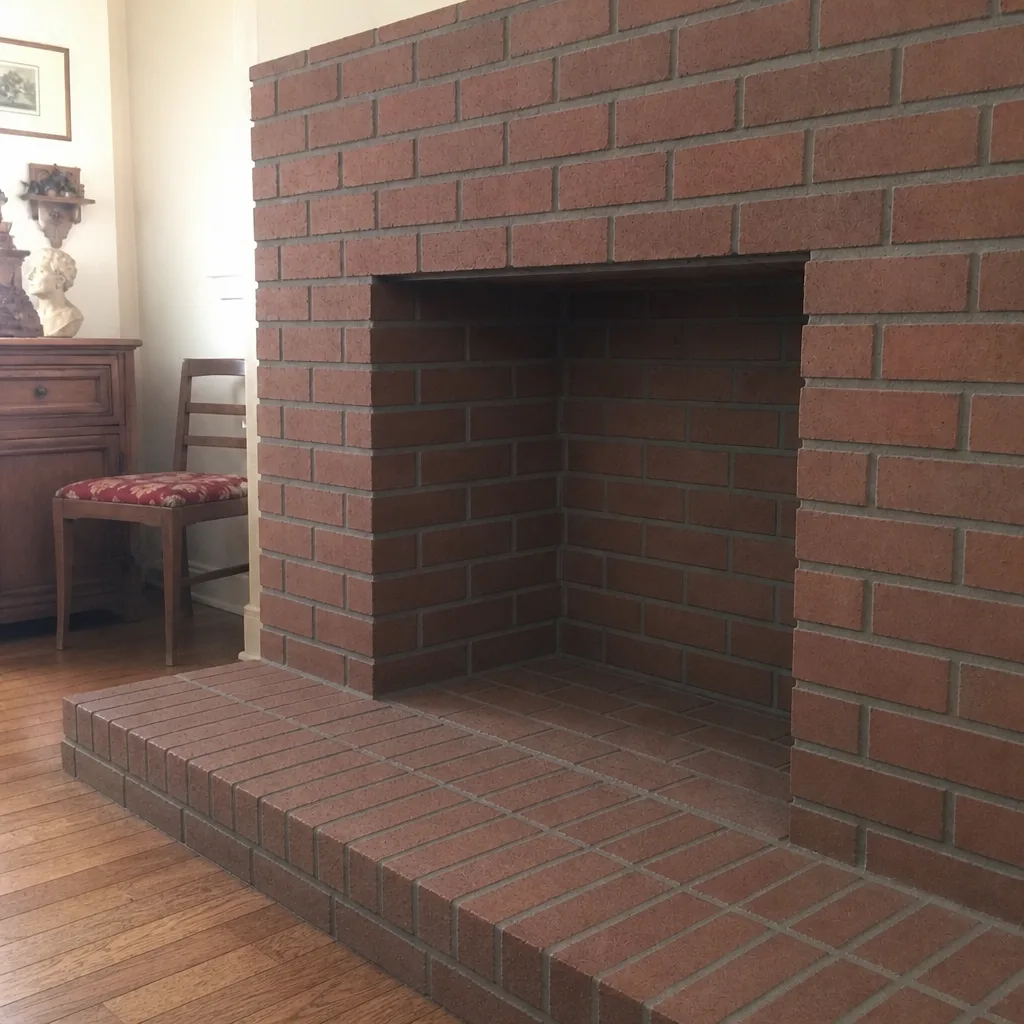
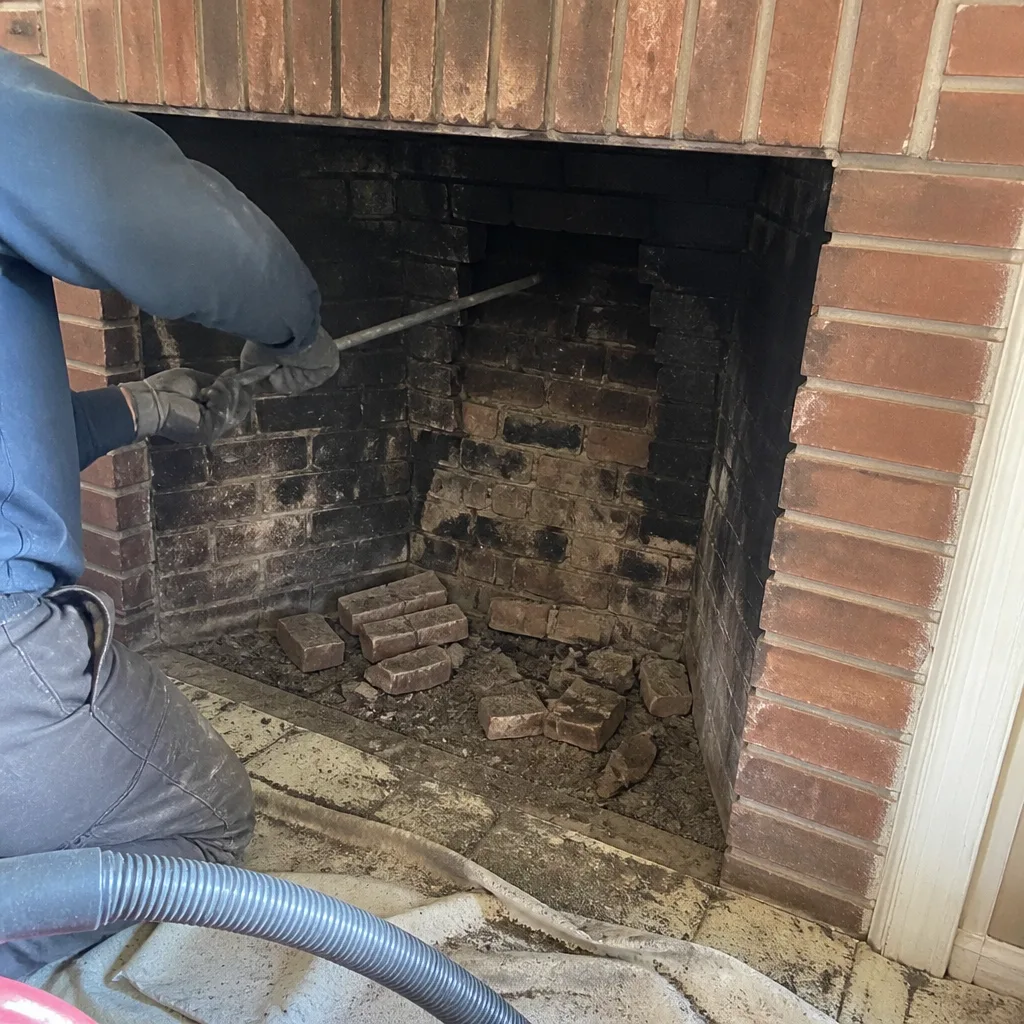
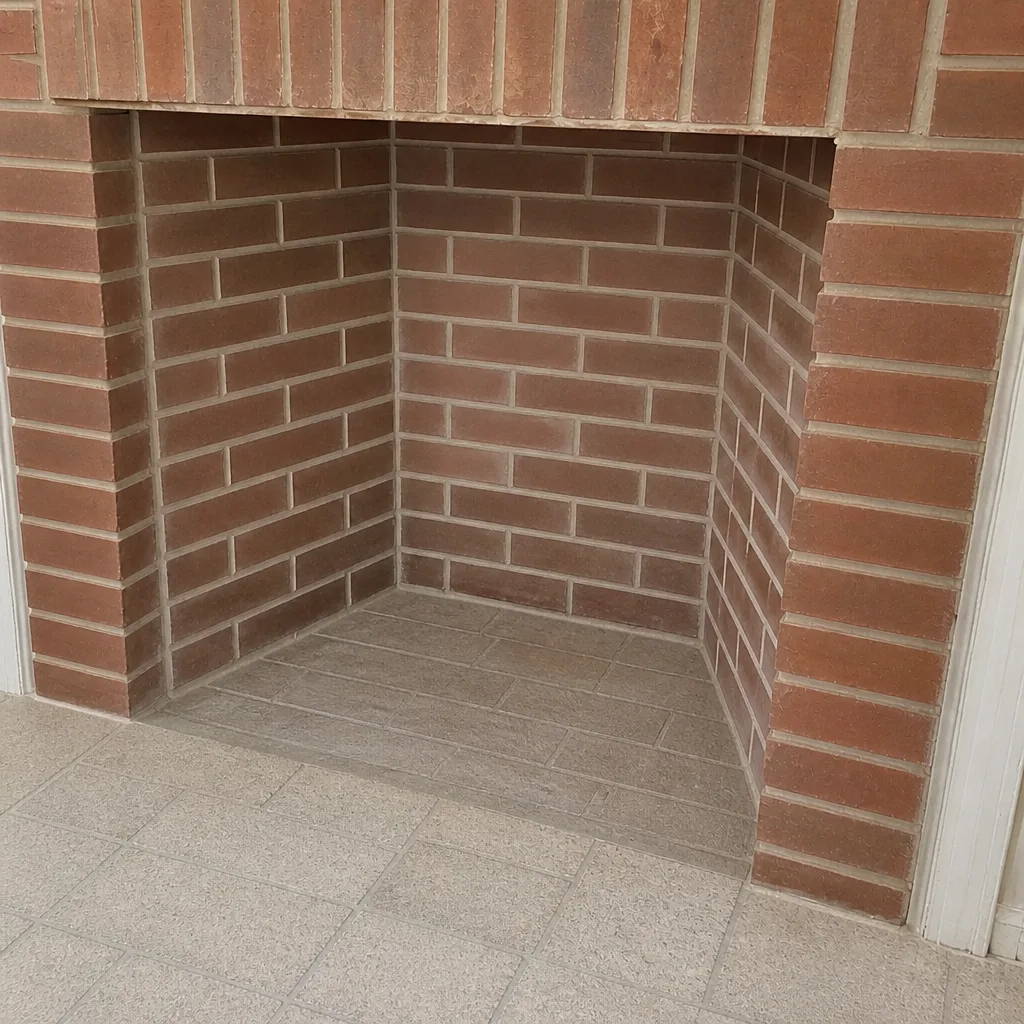
See the difference
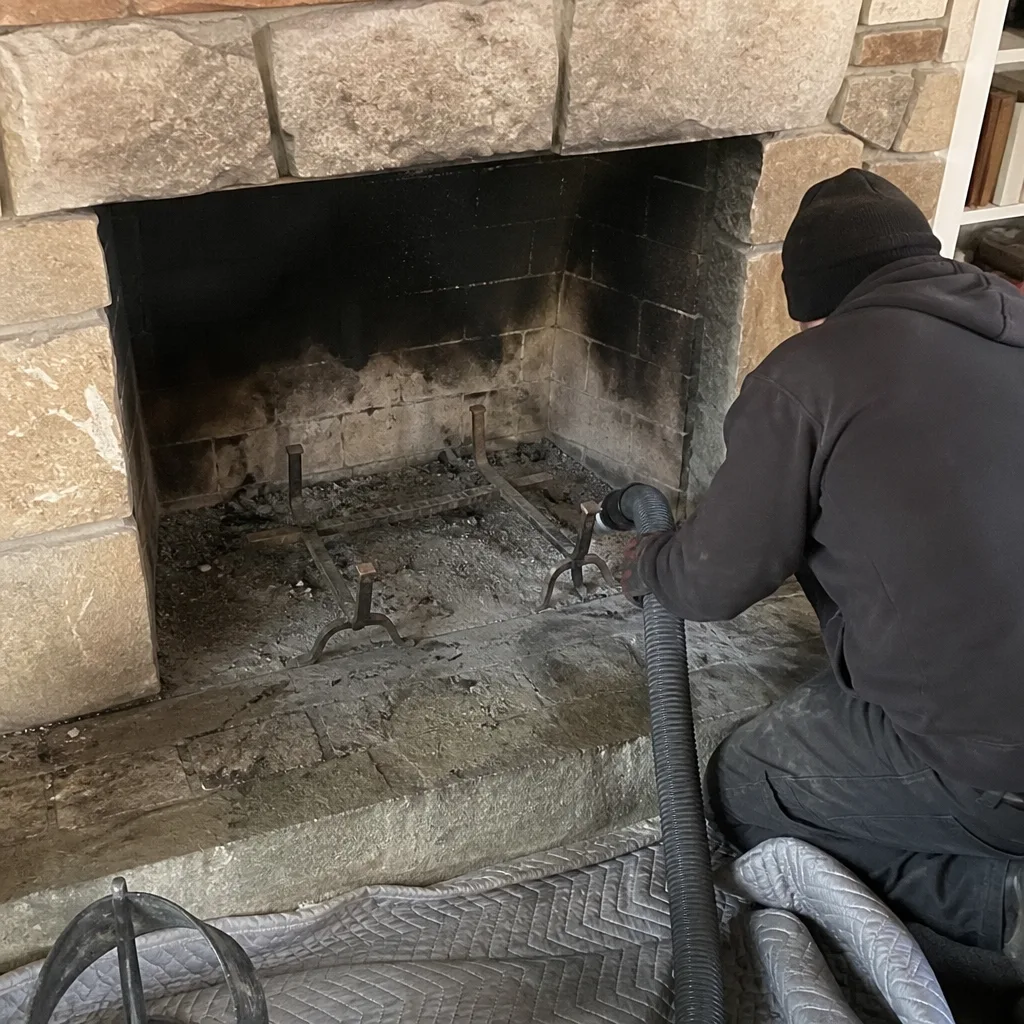 Before
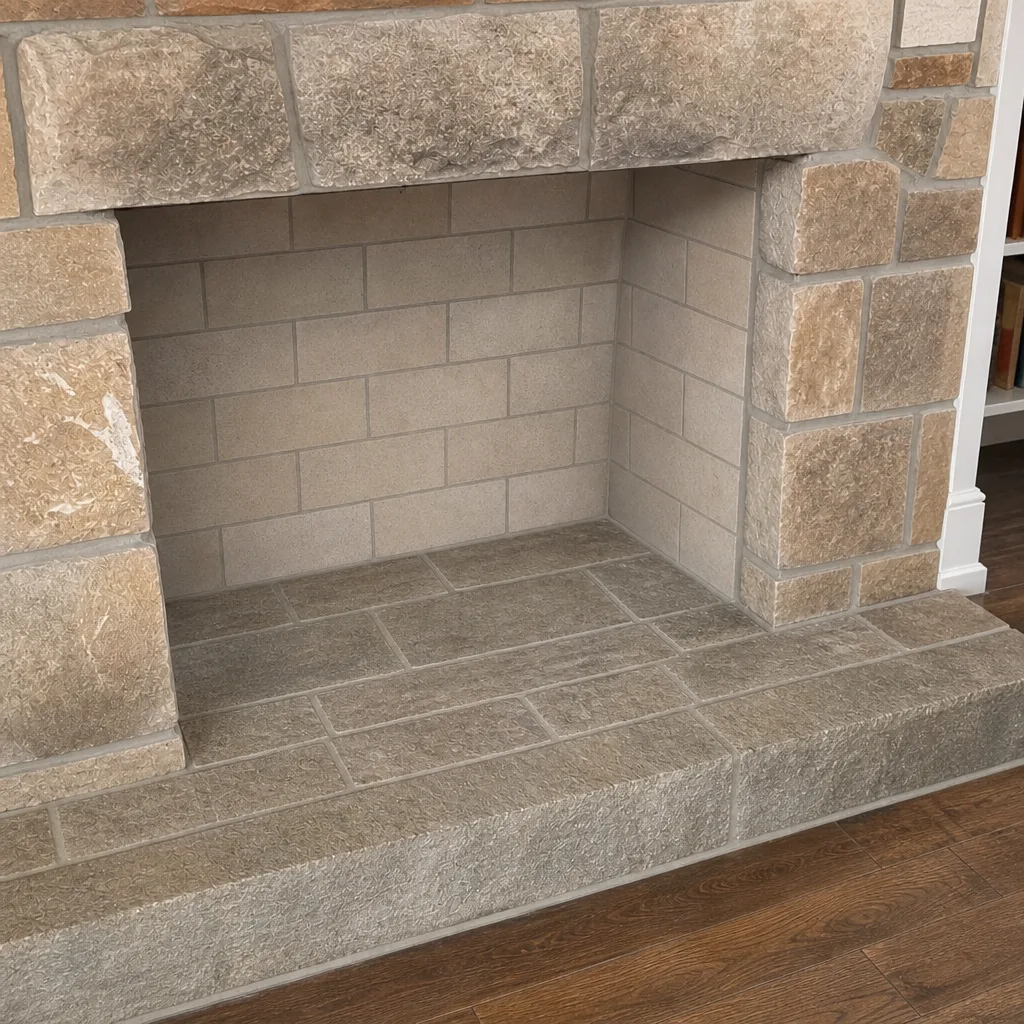 After
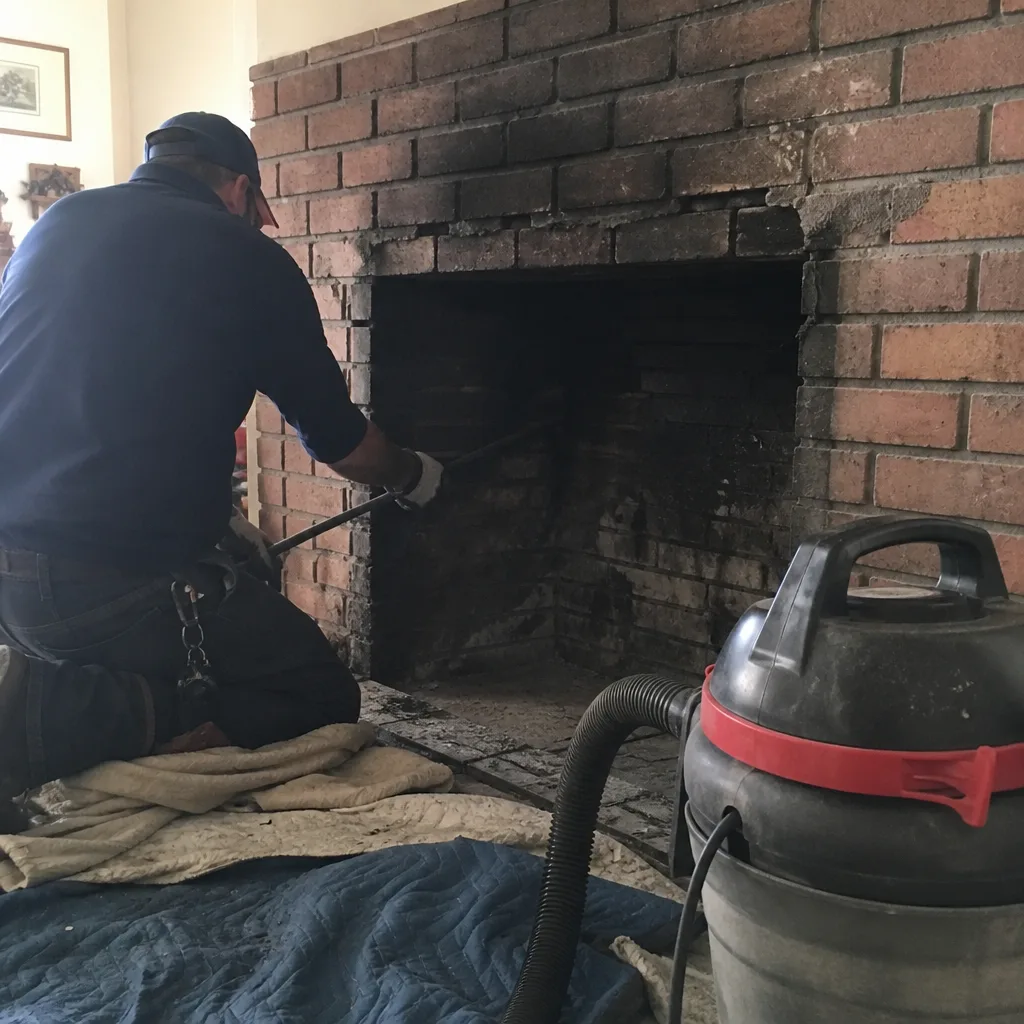 Before
 After
 Before
 After
When to Call a Professional
Call a professional when you’re overdue for a cleaning, when you’ve bought a home with an older chimney and no recent inspection, or when you see any sign of trouble – a shiny glazed surface inside the flue, crumbling mortar in the firebox, a chimney that smokes back into the room, a cap that’s damaged or missing, or any sign of water staining on the masonry. Gas appliance venting always belongs in professional hands. And if you’ve had a chimney fire, even a small one, call for a Level 2 inspection before you light another fire.
For a chimney that’s been neglected for a few seasons, the honest order of operations is a cleaning, then a camera inspection, then a written estimate for any repair. Nothing gets recommended without photos you can see.
For the routine version of this visit, book a chimney sweep and inspection together. Chimney Sweep Tottenville offers free estimates in Tottenville – call (855) 507-5849.
Frequently Asked Questions
We don’t publish a fixed price because every Tottenville chimney is different. The written estimate you receive after an on-site assessment is what sets the cost, and the estimate itself is free. That’s the honest answer – a sweep visit on an unlined pre-1970s flue with a camera inspection is a different job than a routine cleanup on a clay-lined chimney. Call (855) 507-5849 for an exact quote – estimates are free.
Only if the camera inspection shows that the existing flue isn’t doing its job – cracked tiles, missing liner where one should exist, spalling mortar, or a fuel-type change that the current liner doesn’t support. A HeatShield resurfacing can sometimes restore an unlined brick flue without a full reline, and a DuraFlex liner solves the cases that resurfacing can’t. We recommend neither without showing you the photos first. If your flue is sound, we tell you so. Call (855) 507-5849 and we’ll walk through what a Level 2 inspection would show.
Once a year for a wood-burning fireplace in normal use, and after every cord of wood burned. If you burn more than a cord a season, plan on two sweeps. Gas appliances need an annual inspection even though they produce little solid soot. Homes in Tottenville carrying a wood fireplace as a supplementary heat source over the colder months most often fall in the once-to-twice-a-year range. Call (855) 507-5849 for an exact schedule based on your usage.
Creosote builds up. In the early stages it’s just soot, and a routine sweep clears it. Left long enough, it stages up into crusty or glazed deposits, and that’s when a chimney fire becomes a real risk rather than a distant one. Separately, moisture has all that time to work on the mortar and the crown. By the time you notice a problem, the repair is structural rather than a cleaning. Call (855) 507-5849 before a cleaning turns into a repair – estimates are free.
You can inspect the firebox and the damper from inside the house, and note what you see. What you shouldn’t do is brush the flue yourself, climb onto a steep roof to service the cap, or try to burn off glazed creosote. Those tasks need proper tools and training, and a botched attempt can cause real damage or injury. A trained technician has the brushes, the containment setup, and the camera to see what a DIY pass would miss. Call (855) 507-5849 to book a proper sweep.
Pre-1970s homes in Tottenville are likely to have an unlined brick flue or a clay tile liner, and both behave differently from a modern metal prefab. Unlined brick needs closer inspection of the mortar joints; clay tile needs a camera check for cracked or separated tiles. The cleaning method itself is rarely more complicated – it’s the inspection and the repair decision that changes. Call (855) 507-5849 and we’ll walk through what your specific flue type involves.
The Bottom Line
Chimney care in Tottenville is not generic maintenance. The humid, salt-exposed environment works on masonry mortar and metal in ways that demand a different schedule and inspection standard than the landlocked suburbs. The core takeaways: sweep once a year or after every cord burned; always pair cleaning with inspection, because most real chimney problems are caught in the inspection, not after a fire; use a Level 2 camera inspection as the default on older Tottenville homes; have a specialist look at the firebox, smoke chamber, cap, and crown every visit; and ask for photos so nothing gets recommended that you can’t verify yourself. Chimney-only specialists like Chimney Sweep Tottenville source materials from trade-grade brands including DuraFlex, HeatShield, Gelco, Olympia Chimney, Famco, and Copperfield, so one call covers the whole lifecycle.
Call (855) 507-5849 for a free estimate. We answer 24/7. Fast dispatch from 7am to 7pm, Sunday through Friday.
Written by the team at Chimney Sweep Tottenville.